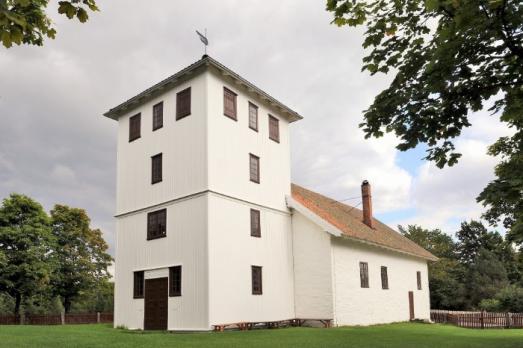
Bønsnes Church
Røyse, NO
Bønsnes church is a long medieval stone church built in 1100. In the 16th century the church fell into ruins and was not put back into use until the 18th century, the century of its restoration in its present form.

Here you can search for a building to visit. You can use the map find destinations, or you can use the filters to search for a building based upon what different criteria.
Røyse, NO
Bønsnes church is a long medieval stone church built in 1100. In the 16th century the church fell into ruins and was not put back into use until the 18th century, the century of its restoration in its present form.
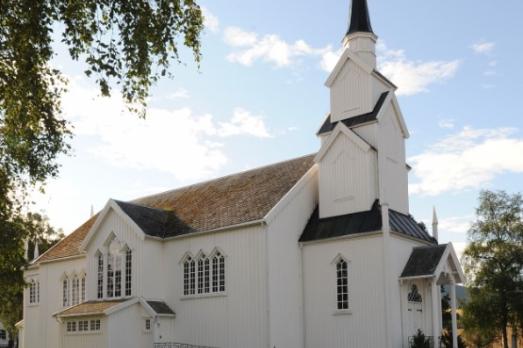
Skaun, NO
Børsa Church is a wooden church dating from 1857. The architect of the building was Christian Heinrich Grosch (1801-1865). The bell-tower is to the west and the choir is to the east. The choir is polygonal in shape. The altarpiece is dated around 1730 and was painted by Sigismund Wagner.
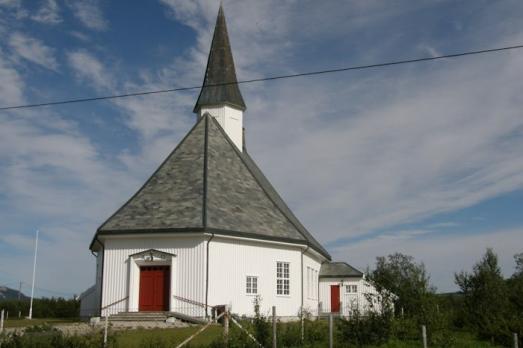
Børselv, NO
Børselv Chapel is an octagonal church dating from 1958. Access to the place, which is a well-known tourist destination, is via county road 183 and county road 98.
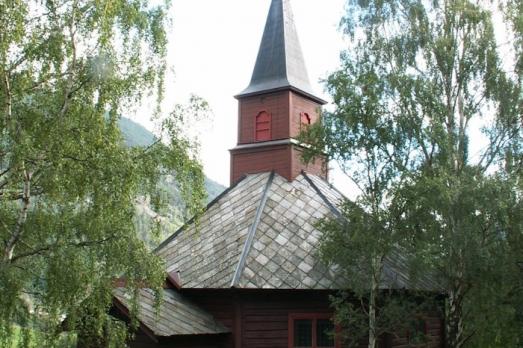
Lom, NO
The church in Bøverdal is an unpainted octagonal wooden church with a turret in the middle. The church is built according to the designs of the local teacher and farmer Erik Pedersen Rusten, but clearly inspired by the Nordberg church of the same year, designed by J.W. Nordan. The church was originally painted white on the outside. The interior has been uniform since the time of construction but bears some traces of the 1951-52 restoration.
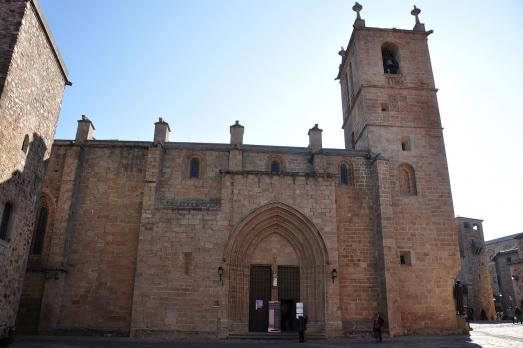
Cáceres, ES
Cáceres Cathedral was built in the 15th and 16th centuries on the basis of a 13th-century Mudejar construction. The three Gothic naves, almost the same height, have barrel vaults that extend into the fine engaged columns of the pillars.
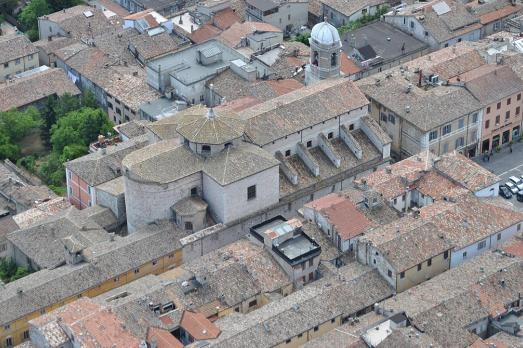
Cagli, IT
Cagli Cathedral was begun in 1292 and completed in the 14th century. The building was completely restructured from 1646 and consecrated on October 10, 1677. The work was completed in 1754 with the works carried out in the chapel of the Santissimo Sacramento. The violent earthquake of 3 June 1781 caused the collapse of the dome and a large part of the building. A vast reconstruction was necessary and the new cathedral, deprived of the dome, was reopened to the public in 1792. In 1997, a new earthquake required further interventions and the cathedral was finally returned to the public in 2004.
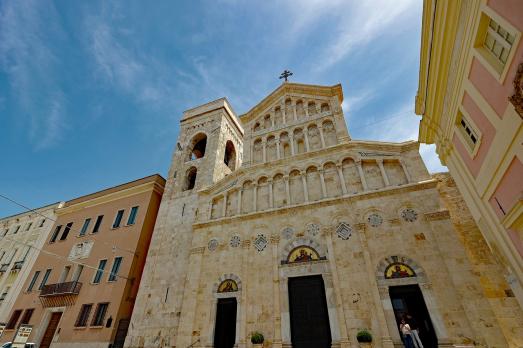
Cagliari, IT
This church, built in the 13th century has elements of the Pisan - Romanesque, gothic, baroque, and neo-romanesque styles. The crypt beneath the church houses the bodies of local martyrs. The church also houses a piece of the crown of Jesus.
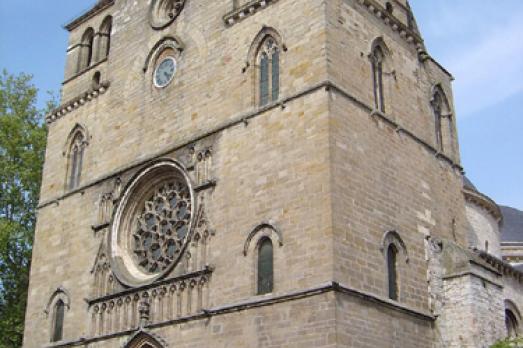
Cahors , FR
Construction began in the 12th century, a period of which little remains. The cathedral was completed in 1700. The Second World War inflicted damage to the building, which lost its stained glass windows during a bombing raid. New stained glass windows were inaugurated in 2000 by the Dutch artist Jan Dibbets and the glassmaker Jean Muret.
Caiazzo, IT
The Cathedral of Caiazzo has been renovated several times over the centuries and the first transformations date back to the 10th century when Caiazzo became a diocese under Norman rule. At that time the church was probably built on a pagan temple, perhaps dedicated to Jupiter or Mars. Cathedral of the diocese of Caiazzo until 1986, it is currently co-cathedral of the diocese of Alife-Caiazzo.
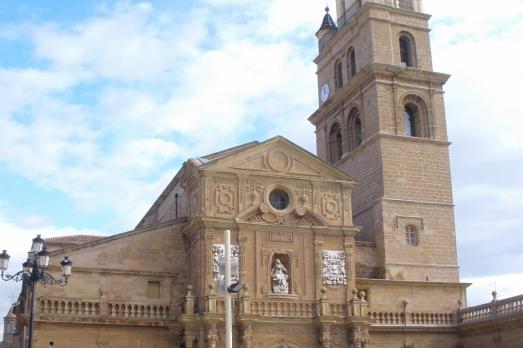
Calahorra, ES
Calahorra Cathedral is a Gothic-style building whose construction began in 1484 and lasted almost two hundred years in all. The main façade, also known as the "Puerta del Moral", is in Baroque style, built between 1680 and 1704 by the brothers Raón, Juan and Santiago, to replace the previous Gothic-style façade built at the end of the 15th or beginning of the 16th century.
new
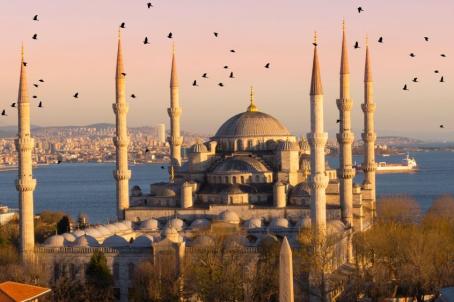
For a long time, Europe was ruled by powerful monarchies. Monarchy and religion have been connected since time immemorial. Here are 7 sites across Europe where royalty historically bent the knee to a higher power and received their crown.
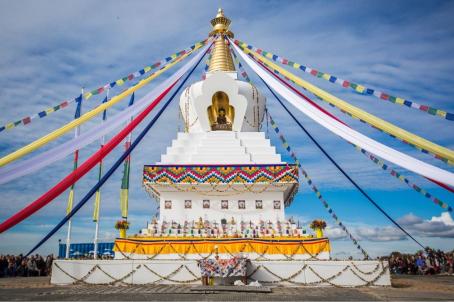
Stupas are symbols of enlightenment and peace that commemorate different stages of Buddha's life. Since the mid-20th century, thousands of stupas have begun to populate Europe. We have compiled some of the most impressive ones in this list.
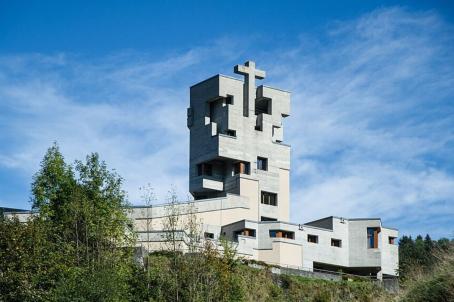
Walter Maria Förderer (1928–2006) was a Swiss architect and sculptor renowned for his neo-expressionist church designs in the 1960s. In this list we have compiled 6 of his church designs that seamlessly integrate religious and secular elements.

How is Religiana helping to conserve and promote Religious Heritage in Europe and why should you get involved?
Find out about Religiana
Are you a tourism organisation or religious heritage sites manager? Discover the advantages of becoming a partner.
See current partners
We can keep you up to date with the latest news from Religiana and religious heritage conservation across Europe.
Sign up to the FRH newsletter