Explore Religious Heritage Across Europe

Here you can search for a building to visit. You can use the map find destinations, or you can use the filters to search for a building based upon what different criteria.

Refine search

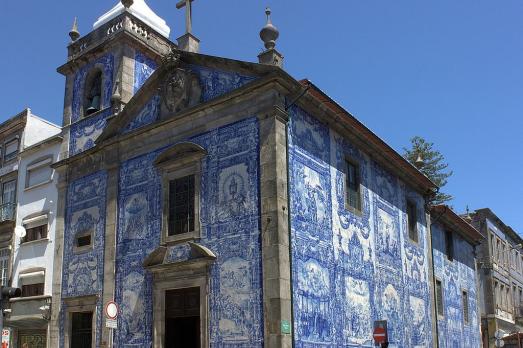
Capela das Almas (Chapel of Souls)

Capela das Almas (Chapel of Souls)

Porto, PT

The construction of the Chapel of Souls or Chapel of Santa Catarina dates back to the late eighteenth century, when the brotherhood of souls and Chagas of San Francisco passed from the monastery of Santa Clara to the chapel of Santa Catarina. The building has about 16,000 "azulejos" on its exterior facade.

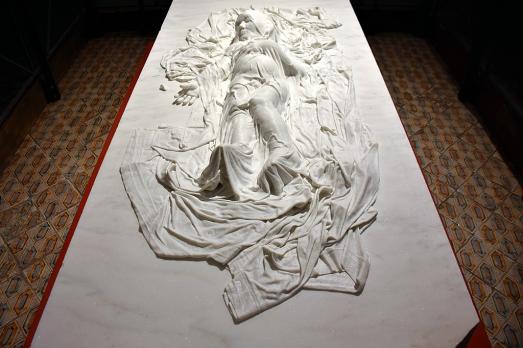
Cappella dei Bianchi

Cappella dei Bianchi

Naples, IT

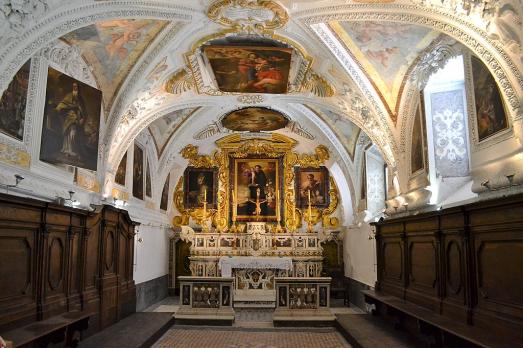
The Cappella dei Bianchi (Chapel of the Whites) is located in the 16th-century Basilica of San Severo and has recently gained notoriety following the display of the sculpture "The Veiled Son" of the Italian artist Jago.

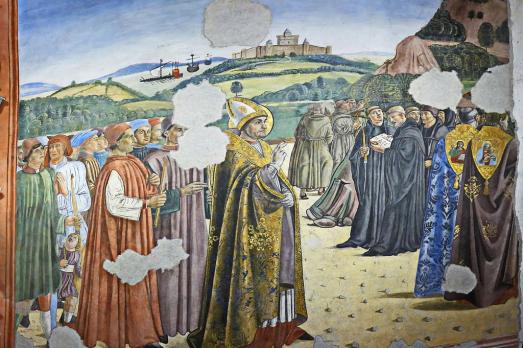
Cappella di Bessarione

Cappella di Bessarione

Roma, IT

This funeral chapel was built in the mid 15th century for Cardinal Bessarione with frescoes attributed to Antoniazzo Romano and Melozzo da Forlì. In the vault you can admire the Choir of Angels and, on the right and left of the chapel, two frescoes that are an important testimony of Renaissance painting.

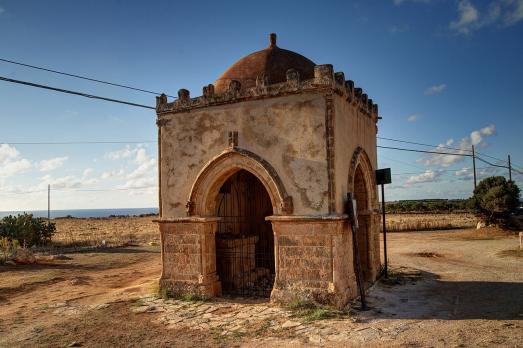
Cappella di Santa Crescenzia

Cappella di Santa Crescenzia

San Vito Lo Capo, IT

The chapel of Santa Crescenzia was built in the 13th century in honour of San Vito's nurse, Saint Crescentia. Legend has it that this woman was petrified - transgressing the order not to turn over in a landslide - on the very spot where the chapel was later built. The structure is of the arabesque type, but there are influences from other styles, notably Gothic and Norman.

Cappella Palatina

Cappella Palatina

Palermo, IT

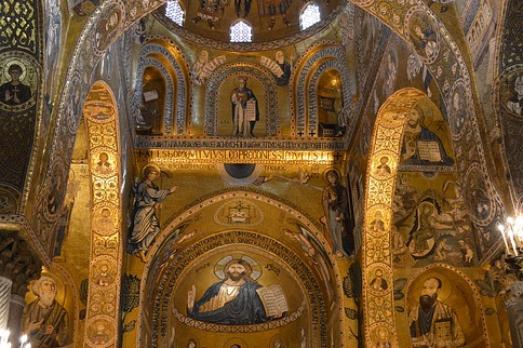
The Palatine Chapel was built between 1130 and 1140 for the use of the first Norman king of Sicily, Roger II. It is an emblematic building of the Arab-Norman style. The chapel is filled with golden mosaics in Byzantine style. They were made by Greek artists called for this purpose by Roger II. They date back to the 12th century but have undergone numerous restorations and repairs over the years. The chapel is a UNESCO World Heritage Site since 2015.

Cappella Paolina

Cappella Paolina

Vatican City, VA

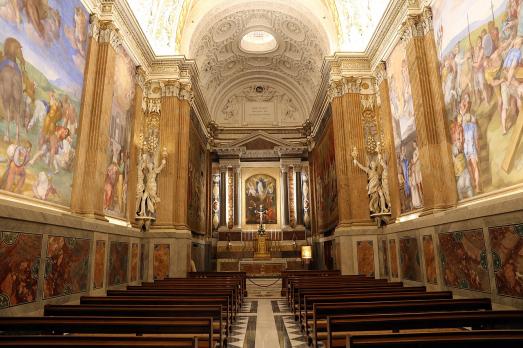
The Pauline Chapel is a Renaissance chapel located in the Vatican Palace in Rome. It is named after Pope Paul III, who had it built between 1537 and 1539. Two large frescoes by Michelangelo, dedicated to Saints Peter and Paul, adorn its side walls. The chapel's architect, Antonio da Sangallo the Younger, built it on the foundations of an earlier chapel, the "cappella parva", which housed the exposition of the Blessed Sacrament. Since the "cappella magna (future Sistine Chapel) fell into ruin in the mid-15th century, the "cappella parva" has been used for conclaves.

Cappella Pappacoda

Cappella Pappacoda

Naples, IT

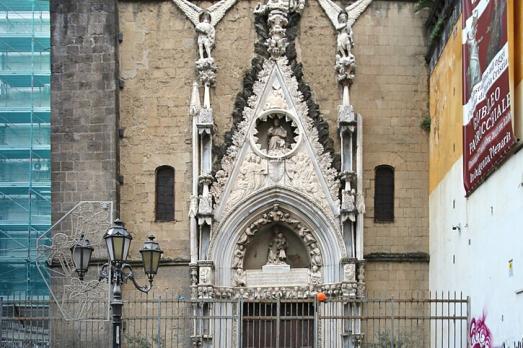
The Cappella Pappacoda is a historic chapel alongside the Basilica of San Giovanni Maggiore. It is one of the few original medieval buildings that have survived to the present day in Naples despite the many earthquakes the city has suffered over the centuries.

Căpriana Monastery

Căpriana Monastery

Capriana, MD

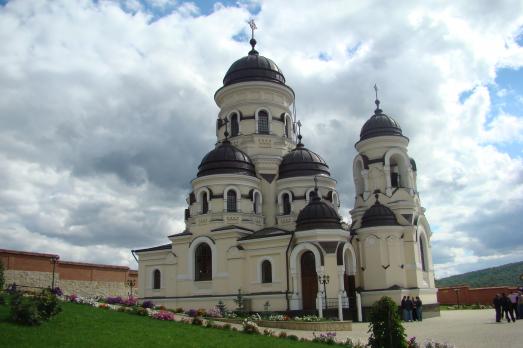
Căpriana monastery is one of the oldest monasteries in Moldova, mentioned for the first time in the 1420s. Having the status of a royal monastery, the monastery establishment has benefited from the care of several rulers of Moldova including Stephen III of Moldavia (1457-1504), Petru Rareș (1527-1538). The first stone church, dedicated to the Assumption, was built during the reign of Alexander the Good, around 1425. In 1840, a second church of the monastery was built, dedicated to Saint George, and in 1903 a third church was dedicated to Saint Nicholas. In 1962, the monastery was closed: a sanatorium for children with tuberculosis was opened in the cells. It was only in 1989 that the monastery reopened.

Capua Cathedral

Capua Cathedral

Capua, IT

The cathedral of Capua is said to have been founded by Bishop Landulfo in 856. It was rebuilt in the 10th century, then by Archbishop Erveo (1072-1086) towards the end of the 11th century; he added the entrance portico, which was later enlarged in the 15th century, and considerably renovated the adjacent bishop's palace. In the 18th century the whole complex was radically renovated; again, between 1854 and 1857, under the episcopate of Giuseppe Cosenza, the architect Federico Travaglini renovated the church, which was almost completely razed to the ground during the 1943 bombings: it was rebuilt between 1949 and 1957.

Be inspired

Stupkalnis.lt

10 Buddhist stupas to discover in Europe

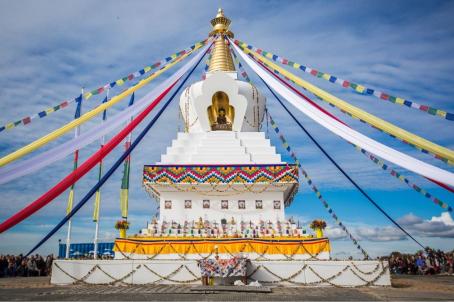
Stupas are symbols of enlightenment and peace that commemorate different stages of Buddha's life. Since the mid-20th century, thousands of stupas have begun to populate Europe. We have compiled some of the most impressive ones in this list.