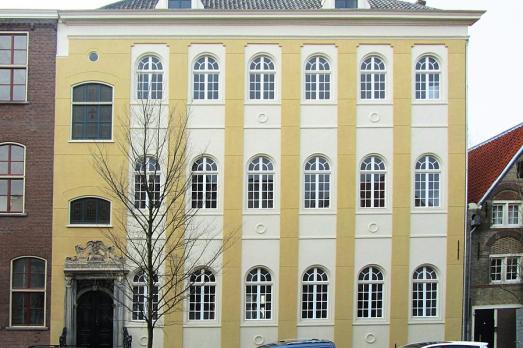
Armenian Apostolic Church
Chișinău, MD
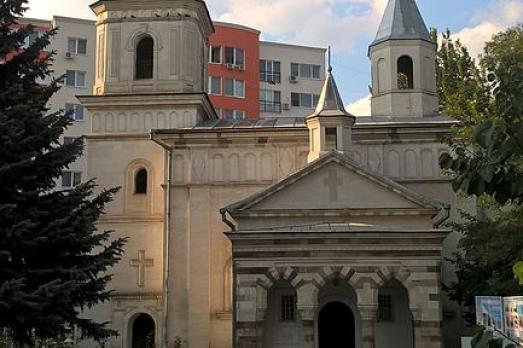
The Armenian Apostolic Church “Holy Mother of God” in Chisinau dates from 1803 and is an important landmark for the Armenian community.
Here you can search for a building to visit. You can use the map find destinations, or you can use the filters to search for a building based upon what different criteria.
Chișinău, MD
The Armenian Apostolic Church “Holy Mother of God” in Chisinau dates from 1803 and is an important landmark for the Armenian community.
Paris, FR
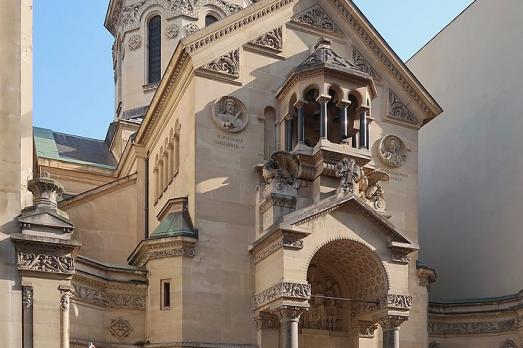
The first place of worship of the Armenian community in Paris, the current church was built at the beginning of the 20th century. In 1902, Alexandre Mantachiants, a wealthy oil magnate, financed the construction of the building. He decided to entrust the construction of his cathedral to the architect Albert Guibert. He then asked him for a modern church with a resolutely Armenian architecture, inspired by the cathedral of Etchmiadzin. The church was finally completed in 1904, and consecrated on October 2, 1904.
Lviv, Lviv Oblast, UA
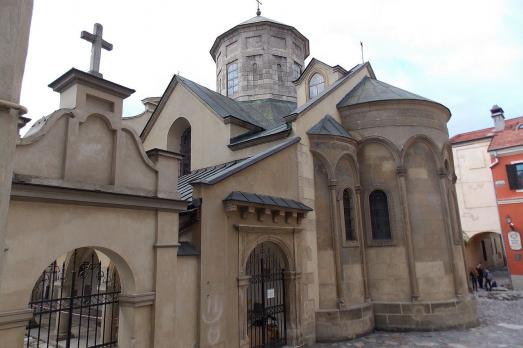
The Armenian Cathedral of the Assumption of Mary is located in the city's Old Town, north of the market square. It used to be the cathedral of the Armenian Catholic Archdiocese of Lviv until 1945. Since 2000, it serves as a cathedral of the Eparchy of Ukraine of the Armenian Apostolic Church.
Paris, FR
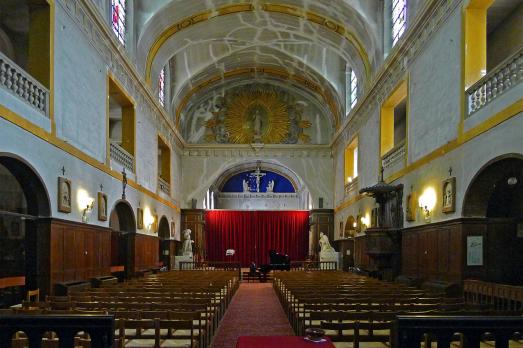
Built in 1623, the church was modified from 1828 to 1832. Its porch was rebuilt by Baltard in 1855. First chapel of the Immaculate Conception in 1623, it became the parish church of Saint Francis of Assisi in 1791, then Saint John Saint Francis in 1797. In 1970, the church was attributed to the Armenian Catholic community. His two organs are among the first made in Paris by Cavaillé-Coll and his son in 1844. Statue of Germain Pilon (16th century) depicting Saint Francis in ecstasy, and four paintings by Brother Luke (late 17th century) depicting Saint Francis.
Heraklion, GR
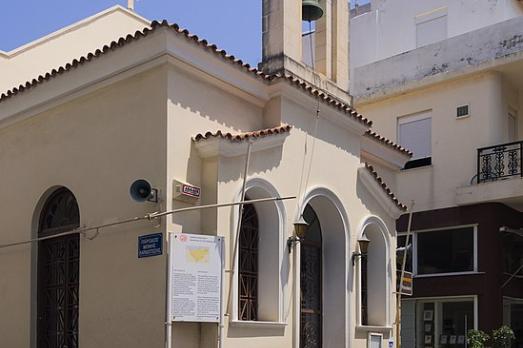
The Armenian Church of Heraklion is dedicated to St John.
Armenochori, CY
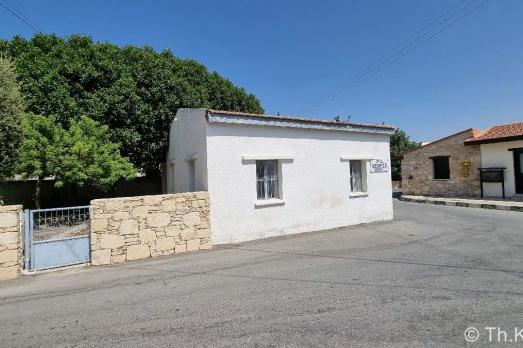
The mosque is located right in the old centre of the village.
Indre Arna, NO
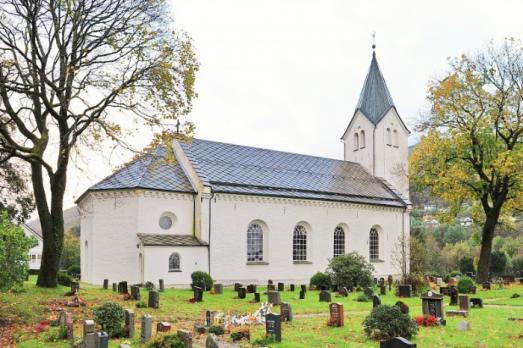
Arna church is a long church dating back to 1865. The architect of the church was Frederik Hannibal Stockfleth. In 1846, the Danish-born industrial pioneer Peter Jebsen wanted to build a church in response to the sharp increase in the population of Arna, a booming industrial town. It is likely that it was the experience of the industrial workers with stone as a building material that was decisive for the church to be built in stone and not in wood as was the case at the time.
Sandefjord, NO
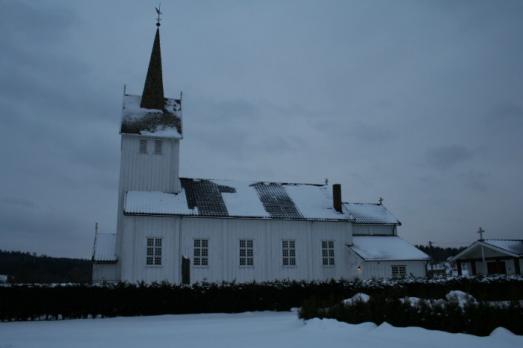
The Arnadal church is a long church dating back to 1882 when it was built according to the drawings of Henrik Nissen. The church was extensively restored in the 1950s, and the sacristy was extended in 1979 and 1981.
Arnadi, CY
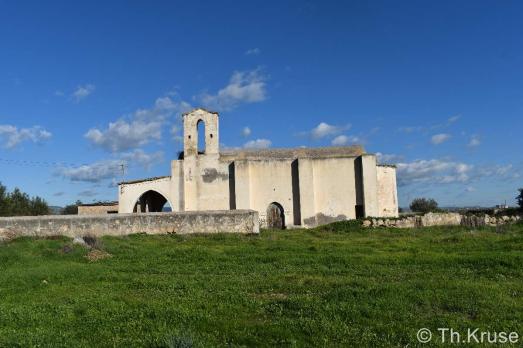
The Agios Andronikos church, built in the 18th century, can be found at the eastern end of the original settlement area.
Arnadi, CY
The Agios Loukas Chapel is located approx. 1.5 kilometre northwest of the original settlement. The building is in a poor condition. The doors are missing, and the substance is already deteriorated.
new
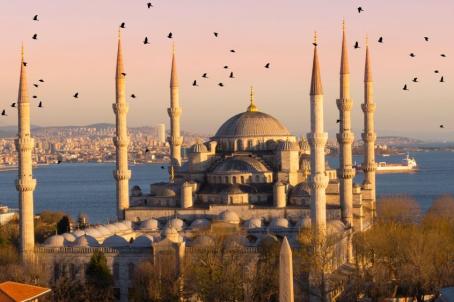
For a long time, Europe was ruled by powerful monarchies. Monarchy and religion have been connected since time immemorial. Here are 7 sites across Europe where royalty historically bent the knee to a higher power and received their crown.
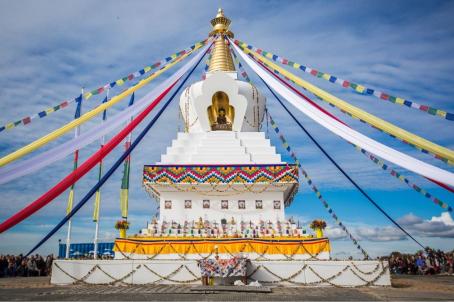
Stupas are symbols of enlightenment and peace that commemorate different stages of Buddha's life. Since the mid-20th century, thousands of stupas have begun to populate Europe. We have compiled some of the most impressive ones in this list.
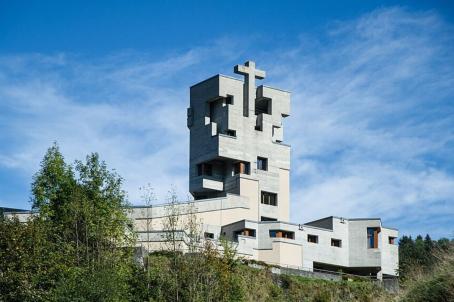
Walter Maria Förderer (1928–2006) was a Swiss architect and sculptor renowned for his neo-expressionist church designs in the 1960s. In this list we have compiled 6 of his church designs that seamlessly integrate religious and secular elements.