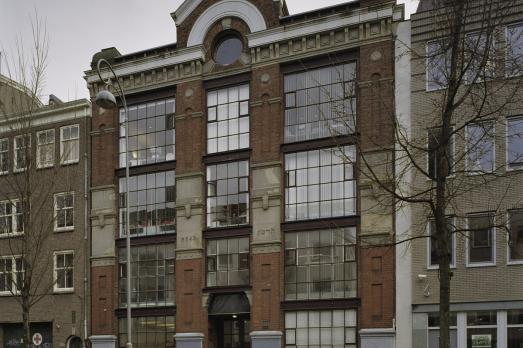
Rapenburgerstraat Synagogue
Amsterdam, NL
The Rapenburgerstraat Synagogue in Amsterdam is an Ashkenazi synagogue built in 1882-83, restored in 1973. This brick building now serves as an office.

Here you can search for a building to visit. You can use the map find destinations, or you can use the filters to search for a building based upon what different criteria.
Amsterdam, NL
The Rapenburgerstraat Synagogue in Amsterdam is an Ashkenazi synagogue built in 1882-83, restored in 1973. This brick building now serves as an office.
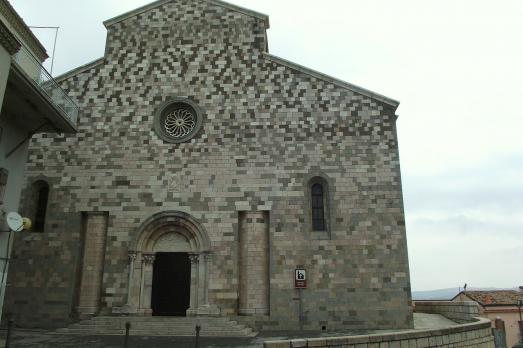
Rapolla, IT
Rapolla Cathedral was first mentioned in 1037 and we know that this first cathedral was destroyed in 1183 when the inhabitants of Melfi attacked Rapolla. The church was immediately rebuilt and completed by Melchiorre da Montalbano in 1253. The Cathedral has also been destroyed or damaged many times by earthquakes (1456, 1694, 1851, 1930 and 1980).
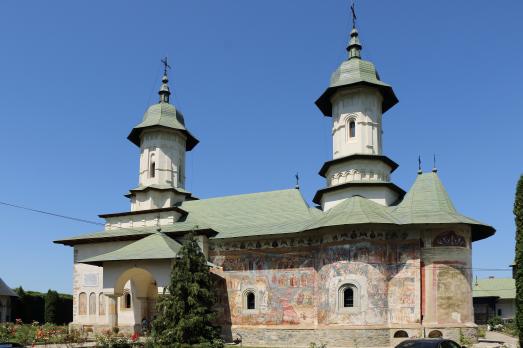
Suceava, RO
Rasca monastery is one of the famous painted monasteries of the Bucovina region due to the 16th-century frescos present on the exterior of its church. It was built between 1541 - 46 by Petru Rares, the prince of Moldavia. The Monastery suffered plundering by Turks and an earthquake in the 19th century, after which parts of it were renovated in a more contemporary style for the time.
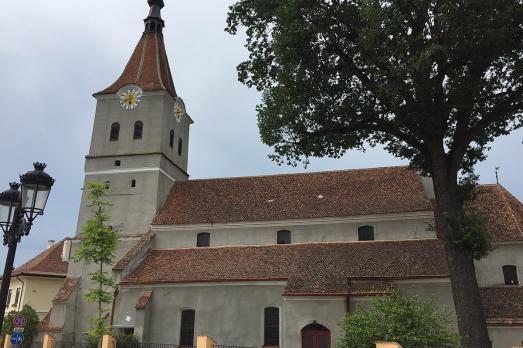
Râșnov Romacril , RO
Nothing of the initial fortification systems of the church in the town of Râşnov has remained, since it was completely demolished in 1831. Today the assembly comprises an initial Romanesque basilica, which was rebuilt in Gothic style. In this regard, the aisles’ arcades were modified and the chancel was rebuilt. On the northern wall, fragments of mural paintings depicting scenes from the Passion of Christ are preserved. The tower was constructed in the Gothic phase. The interior furnishing with altar and organ originates in the 18th century and the flat ceiling was built in the 19th century. High above the town, the villager’s fortress is to be found. Partially in ruins, partially rebuilt, the fortification is nowadays a famous tourist attraction. The oldest part was built in the 14th century, but the fortress, functioning as such well into the 18th century, was demolished and rebuilt several times. Next to the remains of a church, the assembly still preserves many fortification systems as well as several small chambers which today serve as souvenir shops and exhibition space.
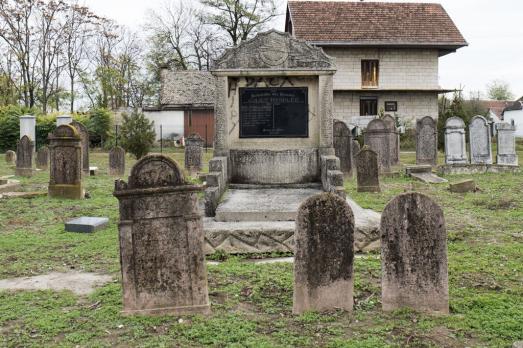
Ratkovo, RS
Ratkovo was home to a Jewish community since 1759, with the cemetery established in 1776. It remained in use until the Holocaust. When ESJF surveyors visited the site, they found it was in poor condition, unfenced and occasionally maintained by volunteers from the town.
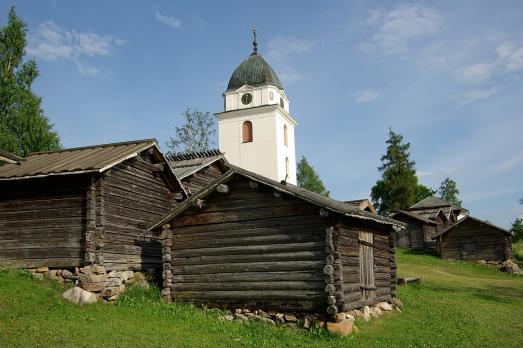
Rättvik, SE
The Rättvik Church lies close to the water, at the edge of Rättvik.
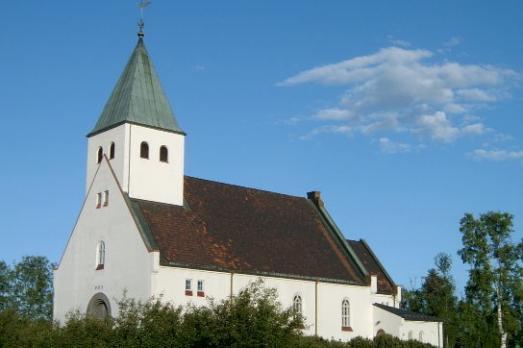
Raufoss, NO
The Raufoss church replaced a small burial chapel from 1898. The church is a long church built of plastered brick. The church is characterized by neo-Romanesque forms.
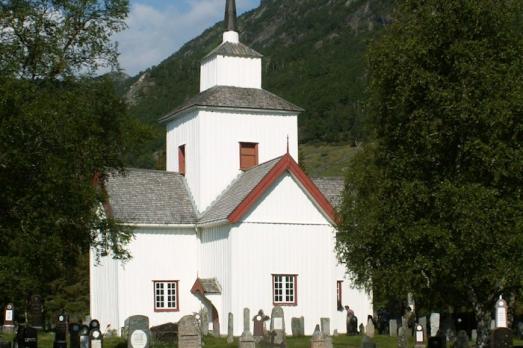
Vinje, NO
The Rauland church is a cross church from 1803. The church was built by Halvor Høgkasin from Hjartdal. In 1953 the church was restored and decorated by the painter Kr. Kildal. The church has two old crucifixes from the 13th and 14th centuries.
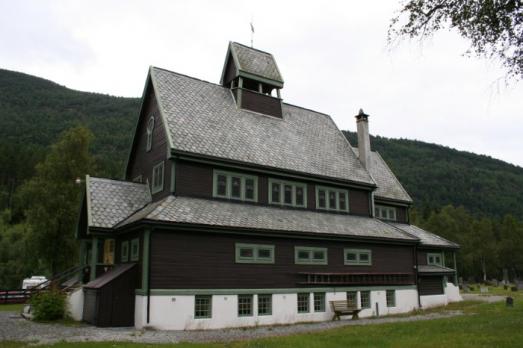
Voss, NO
Raundalen church is a long church from 1921, designed by Haldor Larsen Børve. It has elements of Stave church style. The Raundalen cemetery was opened in 1905. The bell tower next to the church is probably from the same period and therefore older than the church.
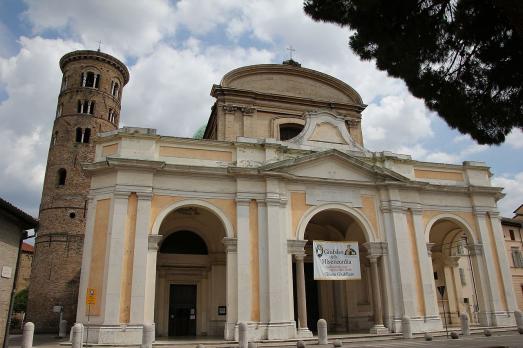
Ravenna, IT
The Cathedral of Ravenna was built in the Baroque style between 1734 and 1745 on a cathedral, the Basilica Ursiana, dating from the early 5th century. This ancient cathedral was built following the transfer of the capital of the Western Roman Empire from Milan to Ravenna by Emperor Honorius in 402.
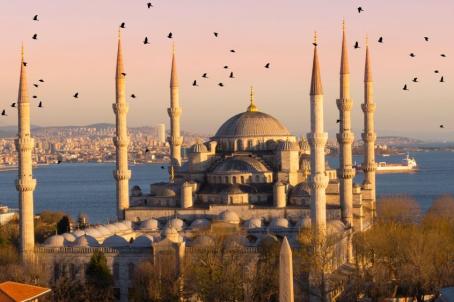
new
For a long time, Europe was ruled by powerful monarchies. Monarchy and religion have been connected since time immemorial. Here are 7 sites across Europe where royalty historically bent the knee to a higher power and received their crown.
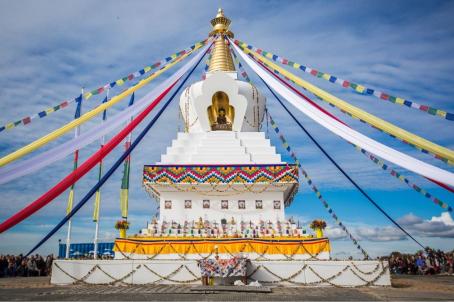
Stupas are symbols of enlightenment and peace that commemorate different stages of Buddha's life. Since the mid-20th century, thousands of stupas have begun to populate Europe. We have compiled some of the most impressive ones in this list.
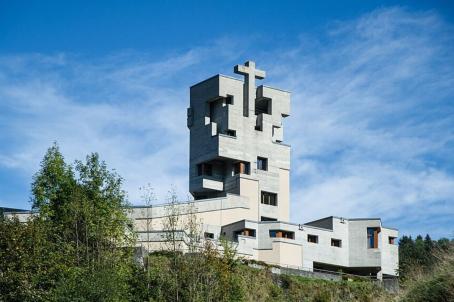
Walter Maria Förderer (1928–2006) was a Swiss architect and sculptor renowned for his neo-expressionist church designs in the 1960s. In this list we have compiled 6 of his church designs that seamlessly integrate religious and secular elements.

How is Religiana helping to conserve and promote Religious Heritage in Europe and why should you get involved?
Find out about Religiana
Are you a tourism organisation or religious heritage sites manager? Discover the advantages of becoming a partner.
See current partners
We can keep you up to date with the latest news from Religiana and religious heritage conservation across Europe.
Sign up to the FRH newsletter