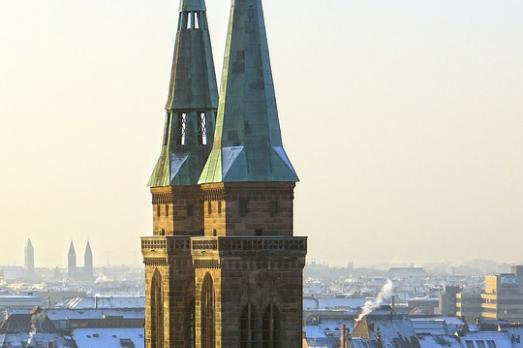
St. Sebaldus Church
Nürnberg, DE
The Protestant Church of St. Sebaldus (after Sebaldus, the patron saint of the city), founded in 1225, is the oldest parish church in Nuremberg and its most important church.

Here you can search for a building to visit. You can use the map find destinations, or you can use the filters to search for a building based upon what different criteria.
Nürnberg, DE
The Protestant Church of St. Sebaldus (after Sebaldus, the patron saint of the city), founded in 1225, is the oldest parish church in Nuremberg and its most important church.
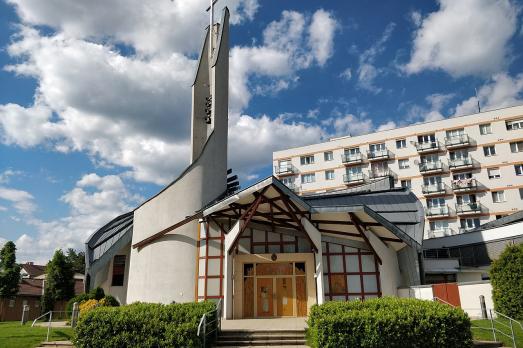
Rača, SK
St. Sebastian's Cathedral is the main church of the Ordinariate of the Armed Forces of the Slovak Republic. The newly built cathedral in Bratislava-Krasňany was elevated to the status of a cathedral of the Military Ordinariate in 2009. This modernist church was designed by the architect Ladislav Bánhegyi.
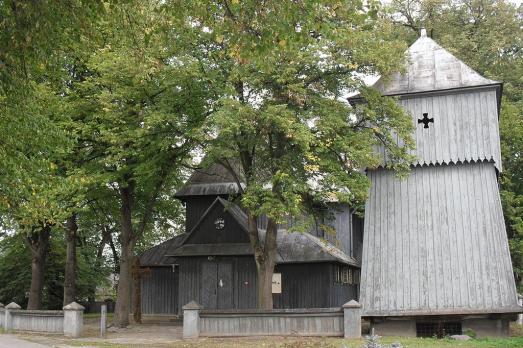
Strzelce Wielkie, PL
St. Sebastian’s Church in Strzelce Wielkie dates from 1784-85, but a settlement already existed here in the 11th century.
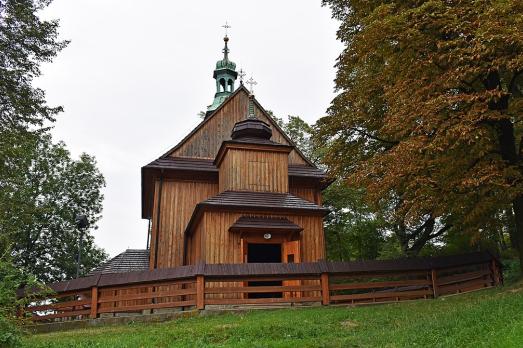
Wieliczka, PL
St. Sebastian’s Church in Wieliczka was built in 1581 using larch wood, and then rebuilt in the C18th.
Maastricht, NL
The St. Servaasbasiliek (Basilica of Saint Servatius) is a Romanesque, three-aisled cruciform basilica built between the 11th and 12th centuries in the city centre of Maastricht. It is considered the oldest still-standing basilica in the Netherlands. It is believed that the first temple was erected above the relics of Saint Servatius.
Erfurt, DE
Centuries-old, Catholic place of worship with ornate features similar to the cathedral nearby.
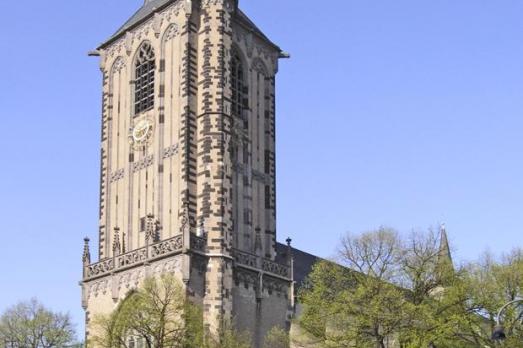
Cologne, DE
The church Saint-Séverin is one of the twelve Romanesque basilicas of Cologne. Built as a simple chapel in the 4th century, the oldest remaining part dates from the 10th century.
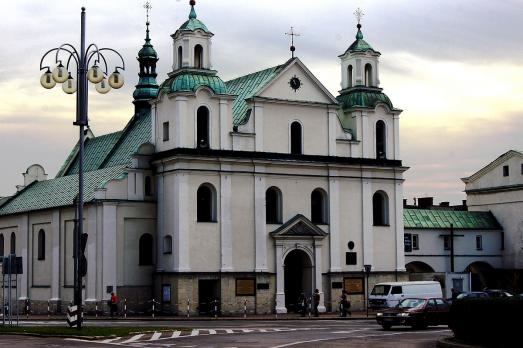
Częstochowa, PL
The St. Sigismund's Church was probably founded in the 14th century. A Gothic church soon replaced the original church at the beginning of the 15th century. In the second half of the 18th century, the church was transformed into a three-nave building and in 1783 a facade with two towers was built.
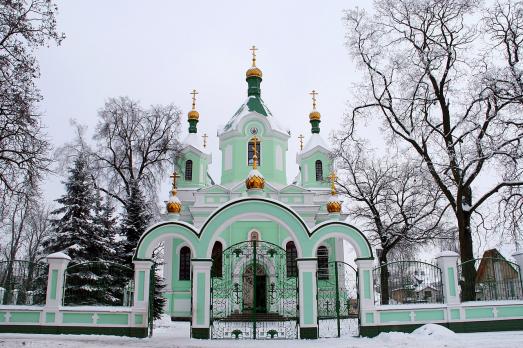
Brest, BY
Saint-Siméon Cathedral was built between 1865 and 1868 in brick, according to the project of the architect of the city of Brest V. Polikarpov. The cathedral was built on a former monastery church, which burned down several times and finally closed together with the monastery in 1824. In 1865 the relics of St. Athanasius were brought to the new church. During the Soviet era, the church was abandoned and had to be restored in 1988.
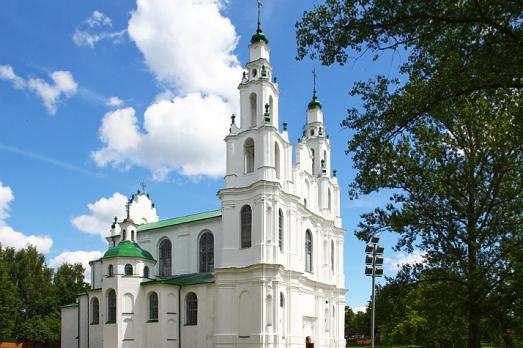
Polack, BY
St. Sophia Cathedral was built between 1030 and 1060 as a replica of the St. Sophia Cathedrals of Novgorod and Kyiv. The church was closed during the Great Northern War (1700-1721) and fell into ruins afterwards. It was rebuilt in the 1740s in late Baroque style according to the plans of the German-Baltic architect Johann Christoph Glaubitz. The Soviets closed the cathedral in 1949 and used it as an archive warehouse. It was restored in 1967 to become a museum of atheism. Today the cathedral is used as a concert hall.
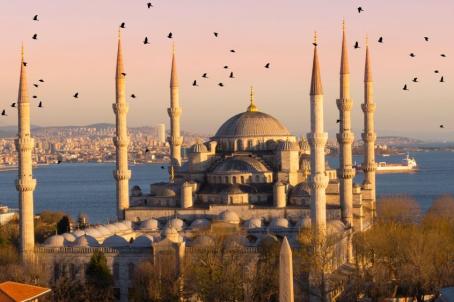
new
For a long time, Europe was ruled by powerful monarchies. Monarchy and religion have been connected since time immemorial. Here are 7 sites across Europe where royalty historically bent the knee to a higher power and received their crown.
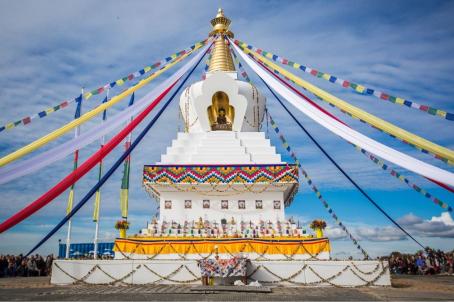
Stupas are symbols of enlightenment and peace that commemorate different stages of Buddha's life. Since the mid-20th century, thousands of stupas have begun to populate Europe. We have compiled some of the most impressive ones in this list.
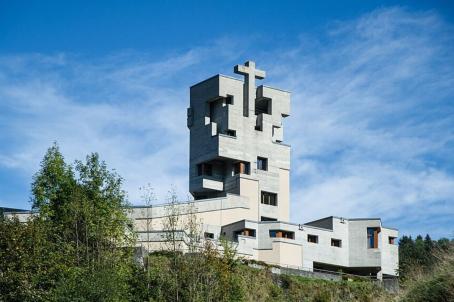
Walter Maria Förderer (1928–2006) was a Swiss architect and sculptor renowned for his neo-expressionist church designs in the 1960s. In this list we have compiled 6 of his church designs that seamlessly integrate religious and secular elements.

How is Religiana helping to conserve and promote Religious Heritage in Europe and why should you get involved?
Find out about Religiana
Are you a tourism organisation or religious heritage sites manager? Discover the advantages of becoming a partner.
See current partners
We can keep you up to date with the latest news from Religiana and religious heritage conservation across Europe.
Sign up to the FRH newsletter