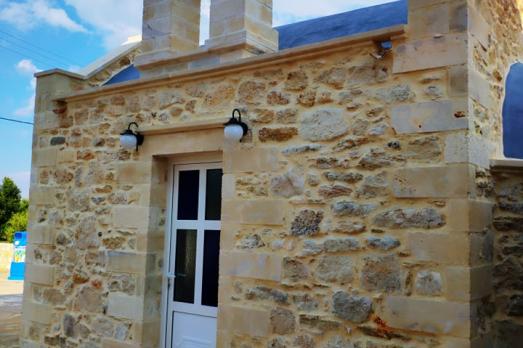
St. Theochari's Church, Panagia
Chersonisos, GR
.

Here you can search for a building to visit. You can use the map find destinations, or you can use the filters to search for a building based upon what different criteria.
Chersonisos, GR
.
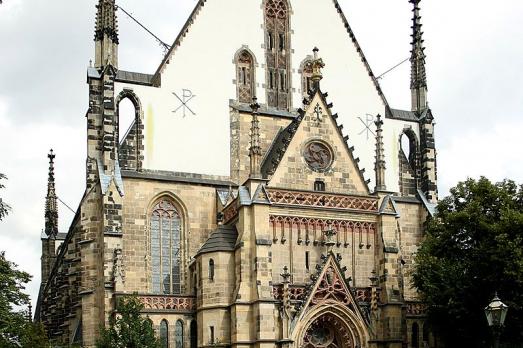
Leipzig, DE
The St. Thomas Church was built on a Romanesque church of the twelfth century. Between 1492 and 1496, it took the current form of a late-Gothic Hall church. In the 19th century finally, the interior of the Saint-Thomas church was renovated in the neo-Gothic style.
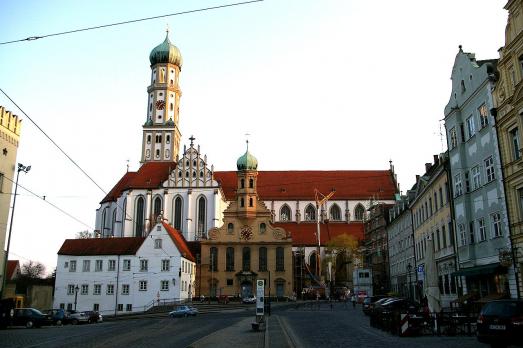
Augsburg, DE
St. Ulrich's Church was built from a porch, which served as a market for St. Ulrich pilgrims and as a burial place for the inhabitants of Augsburg. As early as 1457, the first conversion into a Benedictine sermon house for the community of St. Ulrich took place. In 1526, the church was given to the Protestants as a parish church, a use which it would not have definitively until the Peace of Westphalia (1648). In 1709-10, the congregation led by Marx Loeser decided to fundamentally rebuild the church, which was in need of renovation in the meantime, and the church received approximately its present appearance.
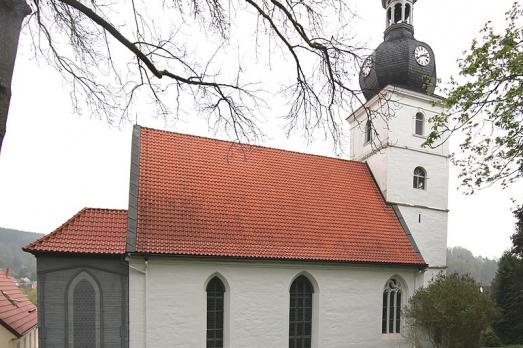
Suhl, DE
The Evangelical Lutheran Church of St. Ulrich was built between 1452 and 1503. The choir tower church has a nave 16 metres long and 11.5 metres wide, and a square choir under the tower, supported by a four-metre ribbed vault. The galleries and barrel vault of the nave date from 1704. The old two-storey bell tower was raised around 1730 and fitted with a baroque dome. Extensive restoration work was carried out from 1990 onwards and was awarded the Thuringian Monument Protection Prize in 2006.
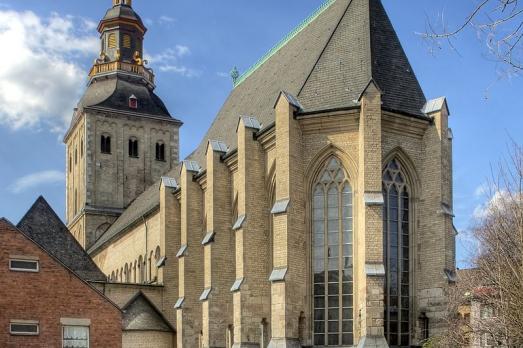
Cologne, DE
St. Ursula is one of the twelve Romanesque churches of Cologne. Its building was built in the 12th century, but after serious damage during the 2nd World War, a reconstruction took place until 1974.
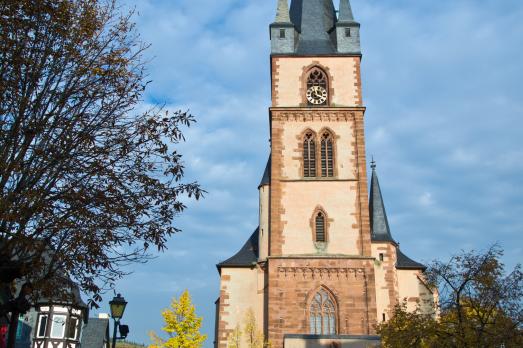
Kiedrich, DE
St. Valentine's Church dates mainly from the late 15th and early 16th centuries, with the side aisles of the church dating back to 1380. The construction of the church building was financed by donations from pilgrims who made a pilgrimage to the relics of St. Valentine. These relics arrived in Kiedrich around 1350 from the neighbouring Cistercian abbey in Eberbach. The church organ is one of the oldest still playable organs in the world, probably built from 1491 onwards. However, over the centuries the instrument has been transformed several times, most notably in 1653 by Johann Wendelin Kirchner.
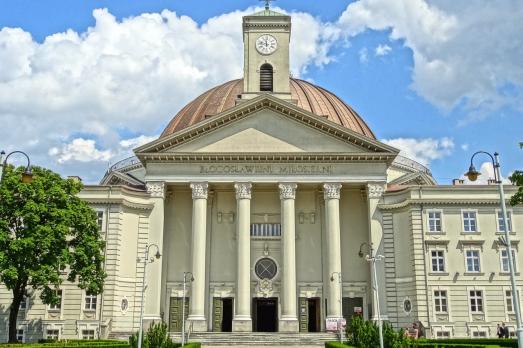
Bydgoszcz, PL
The construction of the minor basilica of St. Vincent de Paul as a monumental temple began in 1924 to celebrate the return of Pomerania to Poland. The building mixes neoclassical and neo-baroque forms.
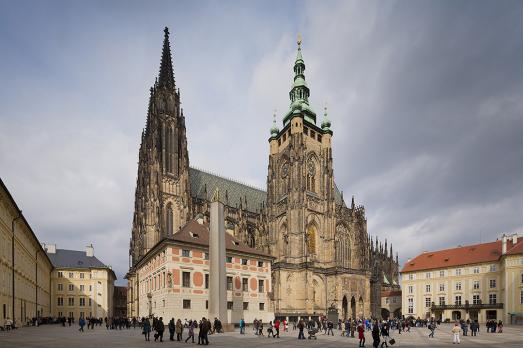
Prague, CZ
St. Vitus Cathedral, founded in 930, is a Gothic church located in Prague Castle. The cathedral is of importance in the art and national heritage of the Czech people and has had a significant impact on the development of latent style of architecture in Central Europe.
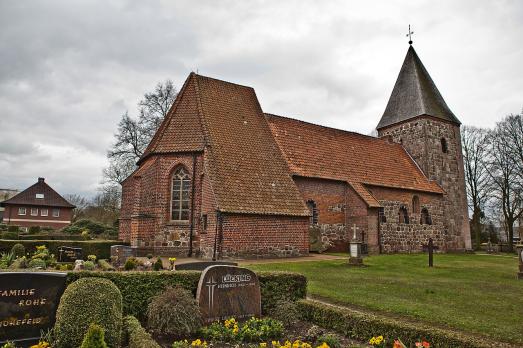
Friesoythe-Altenoythe, DE
The St.-Vitus-Kirche (Saint Vitus church) was built at the beginning of the 9th century. Together with the abbey of Visbek, the church was donated to the benedict abbey of Corvey an der Weser (Corvey at the Weser) in 855. The tower and the Romanesque features date from the 12th century. A century later, the walls were enhanced with bricks so that the roof could be vaulted. A special Gothic choir was added in 1479.
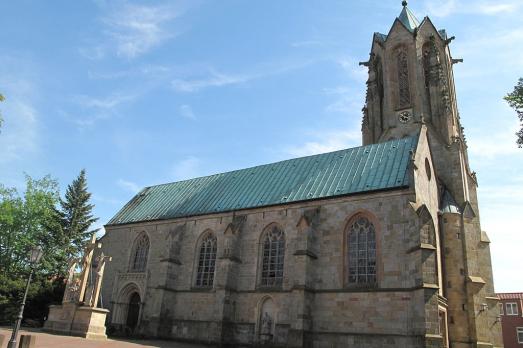
Meppen, DE
It is possible that there was a wooden church before the current church was constructed. The exact date of the consecration is unsure, but there are indications that it must have been in 948 or in 996. Over time, the building has changed a lot, but there are still some elements of the original Romanesque church (eastern wall parts). In 1462 and around 1500, Gothic elements were added. The church tower dates from 1512, but the spire collapsed in 1811 and destroyed the vault of the church. Renovations took place from 1901 until 1903, in 1975, in 1985, in 1991 (restoration of the vault to its Gothic form), and from 1994 until 1998 (interior restorations).
new
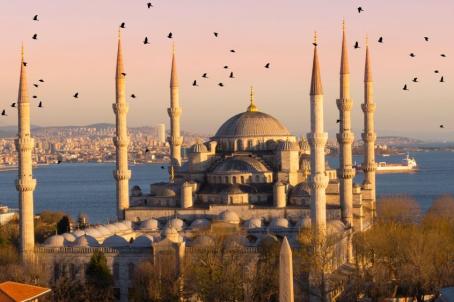
For a long time, Europe was ruled by powerful monarchies. Monarchy and religion have been connected since time immemorial. Here are 7 sites across Europe where royalty historically bent the knee to a higher power and received their crown.
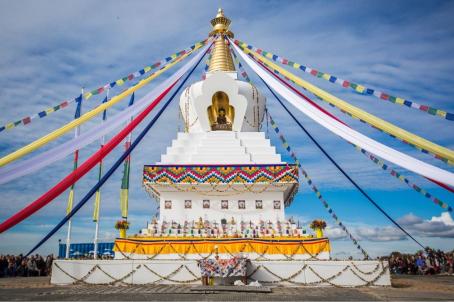
Stupas are symbols of enlightenment and peace that commemorate different stages of Buddha's life. Since the mid-20th century, thousands of stupas have begun to populate Europe. We have compiled some of the most impressive ones in this list.
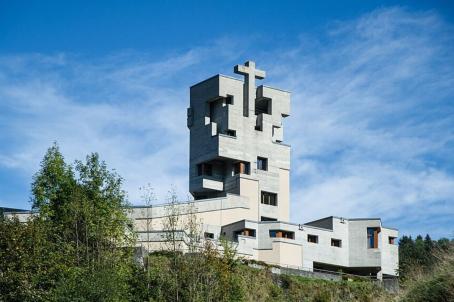
Walter Maria Förderer (1928–2006) was a Swiss architect and sculptor renowned for his neo-expressionist church designs in the 1960s. In this list we have compiled 6 of his church designs that seamlessly integrate religious and secular elements.

How is Religiana helping to conserve and promote Religious Heritage in Europe and why should you get involved?
Find out about Religiana
Are you a tourism organisation or religious heritage sites manager? Discover the advantages of becoming a partner.
See current partners
We can keep you up to date with the latest news from Religiana and religious heritage conservation across Europe.
Sign up to the FRH newsletter