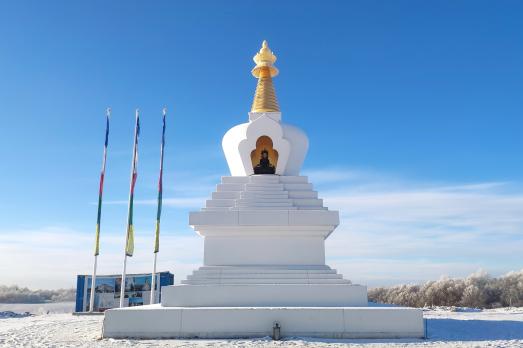
Stupkalnis Lhabab Stupa
Kelmė District Municipality, LT
The first Buddhist stupa in Lithuania, Stupkalnis Lhabab Stupa, was inaugurated in 2022. It was built to commemorate the 25th anniversary of the Diamond Way School’s activities in Lithuania.

Here you can search for a building to visit. You can use the map find destinations, or you can use the filters to search for a building based upon what different criteria.
Kelmė District Municipality, LT
The first Buddhist stupa in Lithuania, Stupkalnis Lhabab Stupa, was inaugurated in 2022. It was built to commemorate the 25th anniversary of the Diamond Way School’s activities in Lithuania.
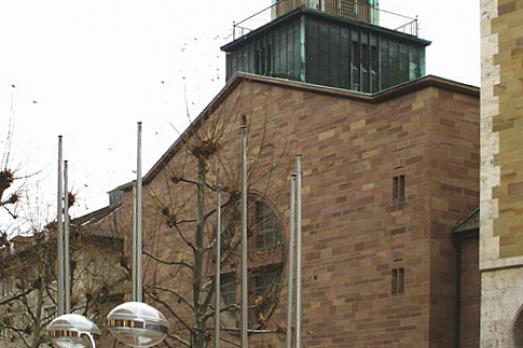
Stuttgart, DE
The cathedral church of St. Eberhard has been a cathedral only since 1978. Although the parish dates back to the 10th century, the present building was completed in 1955, the previous one having been destroyed during the Second World War.
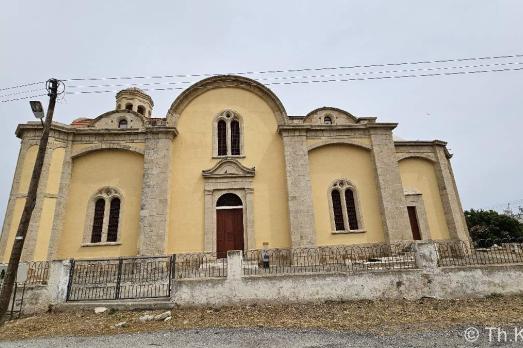
Stylloi, CY
The Profitis Elias Church was built in 1921 and is located on the south-western edge of the original settlement area.
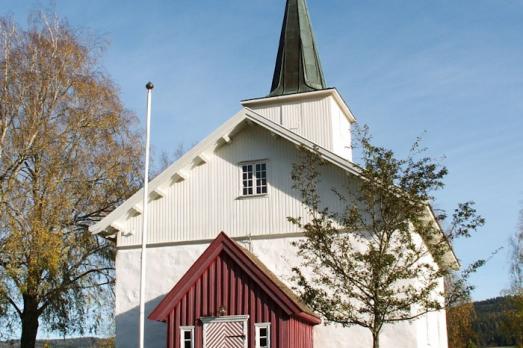
Larvik, NO
Styrvoll church is a long church dating back to the Middle Ages. The nave and chancel are made of stone, while the porch and the turret (from the 1870s) are made of wood.
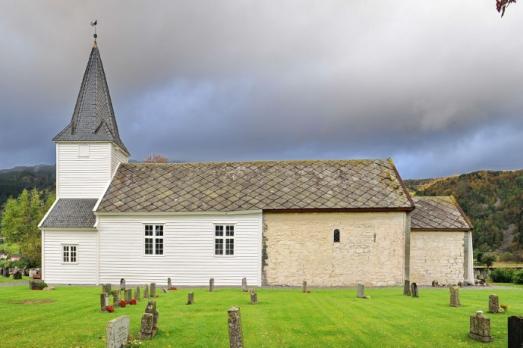
Etne, NO
Stødle Church is a stone and wooden church, the stone parts being remnants of the old 12th century structure. In the 17th century the church was extended westwards with a new wooden nave. The bell tower in front of the west entrance dates from 1879, and in 1960 the foot of the tower was given two side buildings where the sacristy and the entrance are located. The wooden walls of the church hall have a painted decoration from the 18th century, which was restored by Ola Seter in the 1950s.
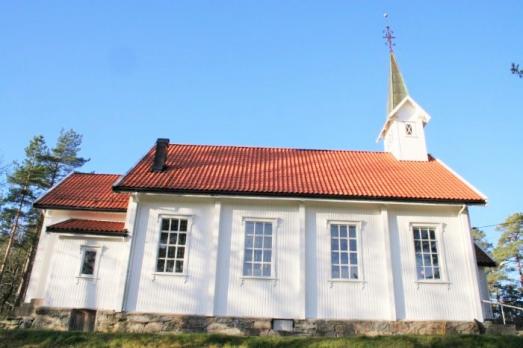
Kragerø, NO
Støle church is a long church from 1892. The church was designed by Adolf Schirmer and was originally called Levangsheien chapel. The stained glass on the wall behind the altar dates from 1942.
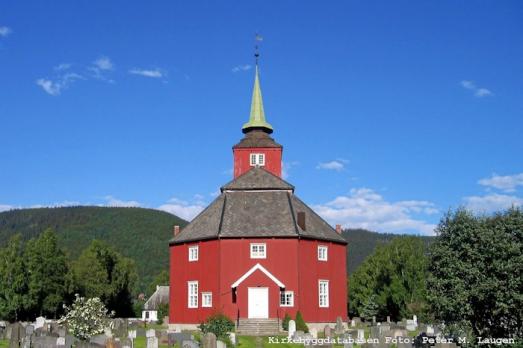
Midtre Gauldal, NO
Støren church is an octagonal church dating from 1817. The octagon of the nave is slightly elongated. The roof is vaulted and divided into an upper and a lower part with a slight crack at the transition to the slightly steeper lower part. Inside the church hall, the roof is supported by four marble columns under a network of beams and bracing.
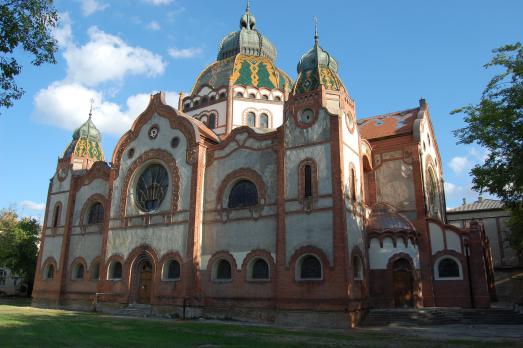
Subotica, RS
The Subotica Synagogue is a monumental Art Nouveau synagogue built by Hungarian architects Marcell Komor (1868-1944) and Dezső Jakab (1864-1932). Construction began in 1902 in what was then Austria-Hungary. After renovations since 2003, the building was officially inaugurated in 2018.
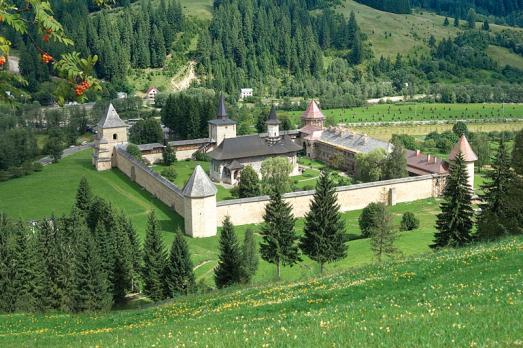
Sucevita, Suceava county, RO
Located in the village with the same name, the Sucevita monastery was built between 1581 and 1601, on the expenses of a noble family, Movila: Ieremia was on the Moldavian throne between 1595 and 1606 and his brother Simon, who was the ruler of Valachia for a short period. The church with the Resurrection as its patron day was built in the Moldavian architecture, a style consolidated during the time of Stephen the Great and which combines in an harmonious way elements of Gothic and Byzantine art with specific architectural elements of the old wooden churches from Moldova. The exterior painting of the Sucevita monastery on a green background is the best preserved among the group of the Moldavian churches with exterior frescoes. The Ladder of Virtues, a masterpiece of the Romanian medieval painting, is the most impressive due to its dimension and the contrast between the order of the angels and the chaos of the Hell. Values of medieval art like embroderies, silver, manuscripts, wooden sculptures and icons are conserved and displayed in the monastery's museum.
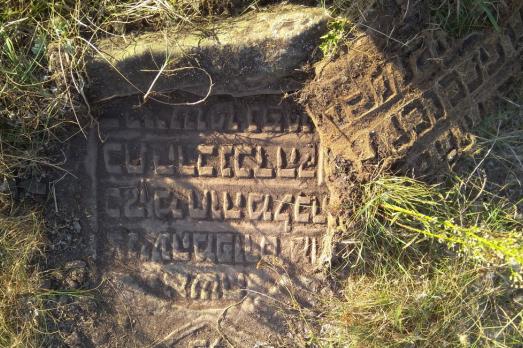
Sudylkiv, UA
The exact period of the cemetery’s establishment is unknown, but the oldest preserved gravestone relates to the second half of the 19th century. The cemetery was operating until WWII. It was not marked on old maps.
new
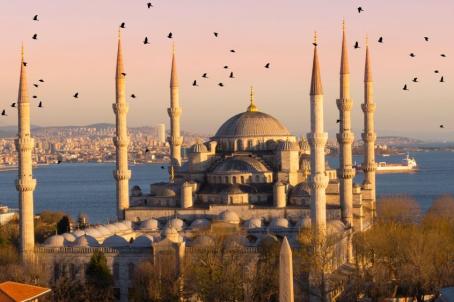
For a long time, Europe was ruled by powerful monarchies. Monarchy and religion have been connected since time immemorial. Here are 7 sites across Europe where royalty historically bent the knee to a higher power and received their crown.
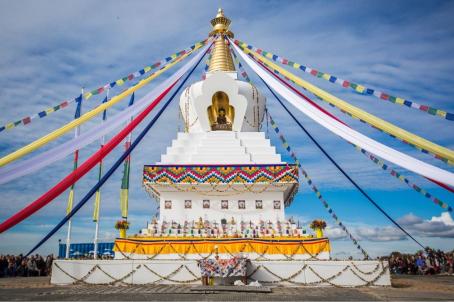
Stupas are symbols of enlightenment and peace that commemorate different stages of Buddha's life. Since the mid-20th century, thousands of stupas have begun to populate Europe. We have compiled some of the most impressive ones in this list.
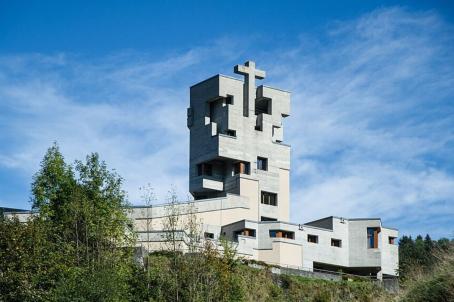
Walter Maria Förderer (1928–2006) was a Swiss architect and sculptor renowned for his neo-expressionist church designs in the 1960s. In this list we have compiled 6 of his church designs that seamlessly integrate religious and secular elements.

How is Religiana helping to conserve and promote Religious Heritage in Europe and why should you get involved?
Find out about Religiana
Are you a tourism organisation or religious heritage sites manager? Discover the advantages of becoming a partner.
See current partners
We can keep you up to date with the latest news from Religiana and religious heritage conservation across Europe.
Sign up to the FRH newsletter