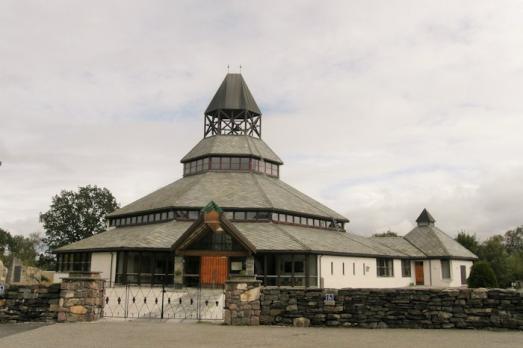
Sunde Church
Stavanger, NO
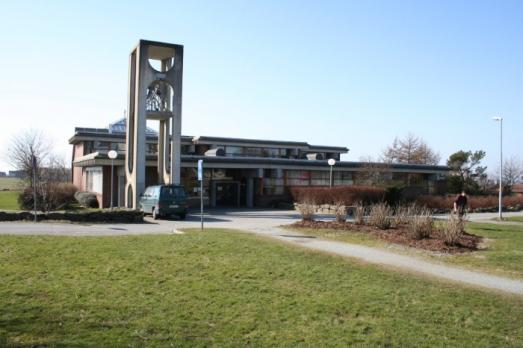
Sunde Church is a brick church built in 1984. The church has a fan-shaped plan and was designed by the architect Reidar Vollan.
Here you can search for a building to visit. You can use the map find destinations, or you can use the filters to search for a building based upon what different criteria.
Stavanger, NO
Sunde Church is a brick church built in 1984. The church has a fan-shaped plan and was designed by the architect Reidar Vollan.
Sundre, SE
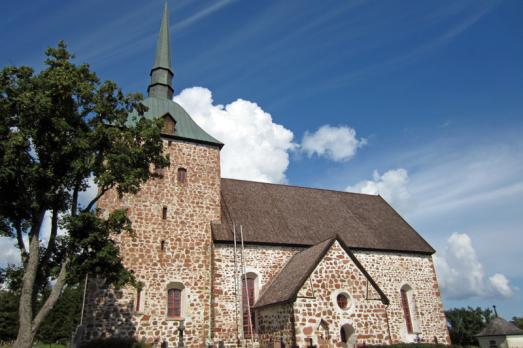
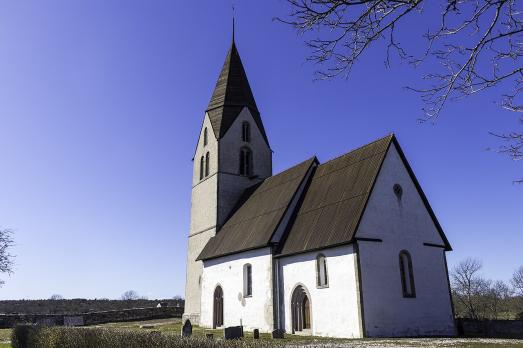
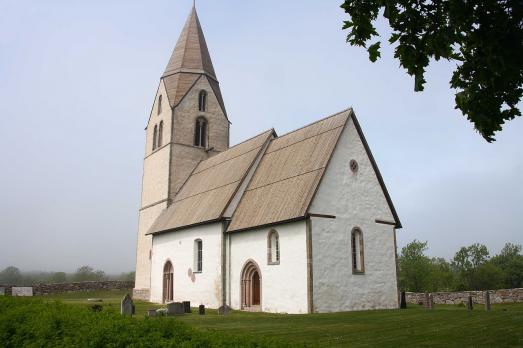
Sundre Church is one of the 92 medieval churches on the island of Gotland.
Burgsvil, SE
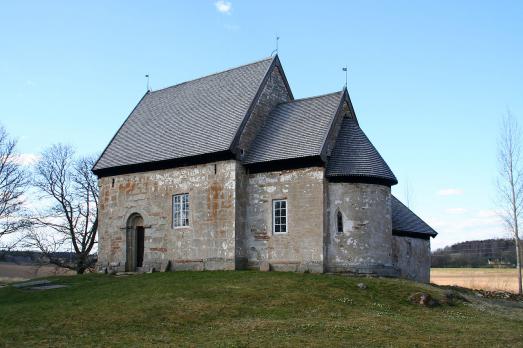
The Sundre Church was built during the 12th century and was originally made of wood. Some time later, a defensive tower was built alongside the church. It is believed that the building served as a shelter for the parish during times of danger or war. The ruins of this tower can still be visited today. At the beginning of the 13th century, the church was demolished and replaces by the current Romanesque stone building. In the middle of the 13th century, a tower was also added to the church. Since then, no significant changes were done. Because the church is located not far from the sea, it used to function as a navigational aid for seafarers. The building underwent restorations in 1931 and from 1969 until 1970.
Nordtveitgrend, NO
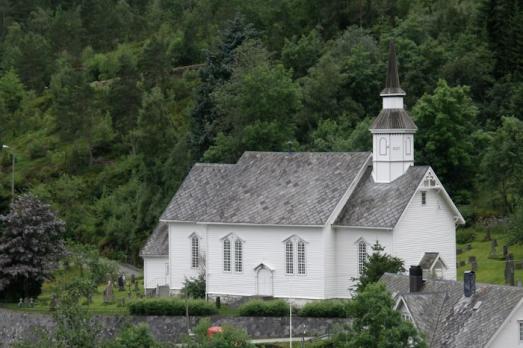
Sundvor church is a wooden church built in 1927. The architects of the church are E.Tryti and K.Sundfjord.
Alkmaar, NL
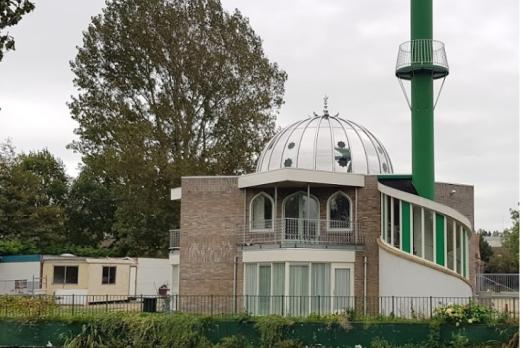
The Mosque Sunni Razvi is a modern mosque building completed in 2008.
Stranda, NO
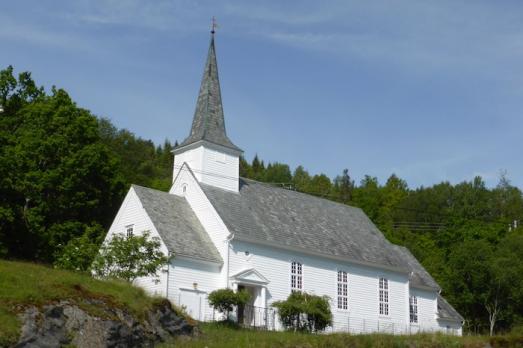
The Sunnylven church was inaugurated in 1859 and designed according to drawings by Rolfsen of Nordfjordeid. The forms are taken from the standard drawings of the architects Linstow and Grosch. The interior is painted in several shades of grey with reddish brown details. This colour scheme was made by Per Vigeland in 1934 during the renovation of the church.
Tidaholm, SE
The old Suntak Church is one of the best-preserved Romanesque churches in Sweden. The building was built in the mid-12th century from plastered and calcareous sandstone. The interior contains medieval wall paintings, the oldest of which can be dated to the end of the 14th century.
Helsinki, FI
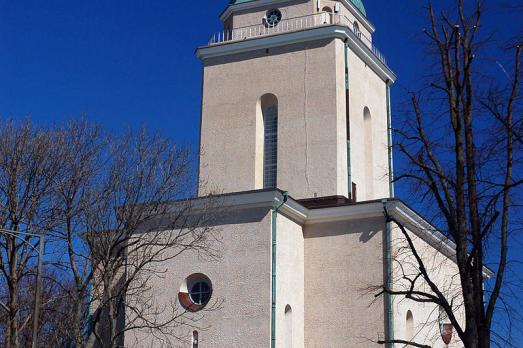
The Suomenlinna Church is an Evangelical Lutheran church founded in 1854. For much of its history, it was the church of the Russian Suomenlinna garrison. The building also serves as a lighthouse.
Samobor, HR
The cornerstone of the parish church was blessed on November 22, 1992 by the then Auxiliary Bishop of Zagreb, Msgr. Marko Culej. The crypt of the parish church was completed in 1994, and the walls were erected in 1997 and 1998. The church was designed by the architect Mirko Beran, and it was built with the gifts of the faithful of the parish of St. Anastasia and the great help of the Archbishop's spiritual table and generous benefactors.
Șura Mare , RO
The church, which still preserves many parts of the former Romanesque basilica, was built during the 13th century and fortified in Gothic style in the 15th century. In the same time the Romanesque chancel was heightened by adding a defence level, a lierne vault was built above the nave and a ribbed vault in the chancel. During its fortification phase the side aisles of the western tower were replaced by turrets, which were demolished later on. Its defence level was also replaced in 1854 by the current spire. The interior is decorated with lively colored galleries. The painted pews in the aisles were brought here for security reasons from the church in Drăuşeni. grossscheuern2016_portalAlmost nothing remained from the defence wall that was once surrounding the assembly.
new
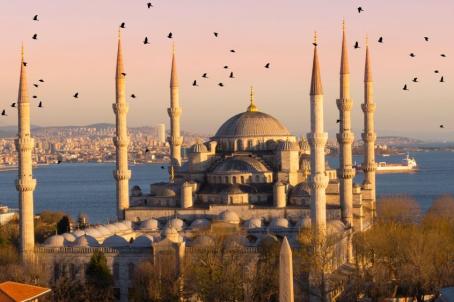
For a long time, Europe was ruled by powerful monarchies. Monarchy and religion have been connected since time immemorial. Here are 7 sites across Europe where royalty historically bent the knee to a higher power and received their crown.
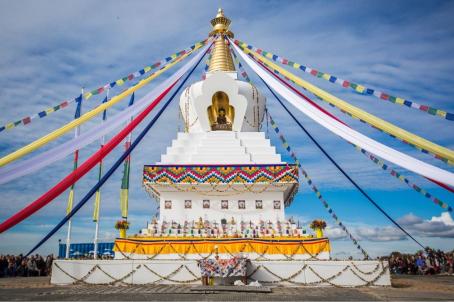
Stupas are symbols of enlightenment and peace that commemorate different stages of Buddha's life. Since the mid-20th century, thousands of stupas have begun to populate Europe. We have compiled some of the most impressive ones in this list.
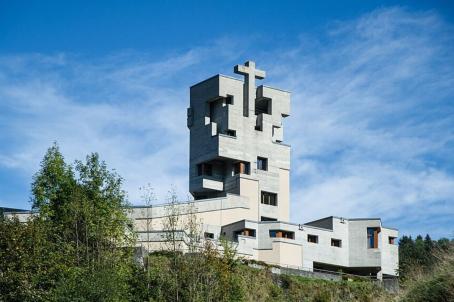
Walter Maria Förderer (1928–2006) was a Swiss architect and sculptor renowned for his neo-expressionist church designs in the 1960s. In this list we have compiled 6 of his church designs that seamlessly integrate religious and secular elements.