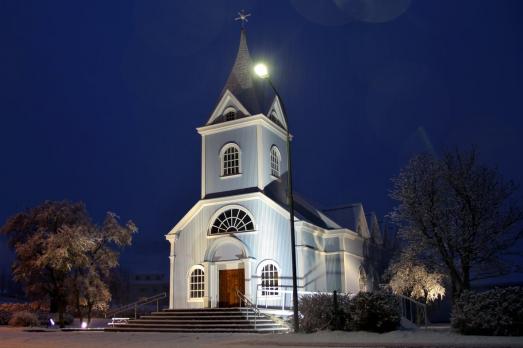
bláa kirkjan
Seydisfjordur, IS
The building of Bláa Kirkjan (blue church) that we can see today is fairly recent. The church was moved and destroyed successively by the storm (1894) and the fire (1989).

Here you can search for a building to visit. You can use the map find destinations, or you can use the filters to search for a building based upon what different criteria.
Seydisfjordur, IS
The building of Bláa Kirkjan (blue church) that we can see today is fairly recent. The church was moved and destroyed successively by the storm (1894) and the fire (1989).
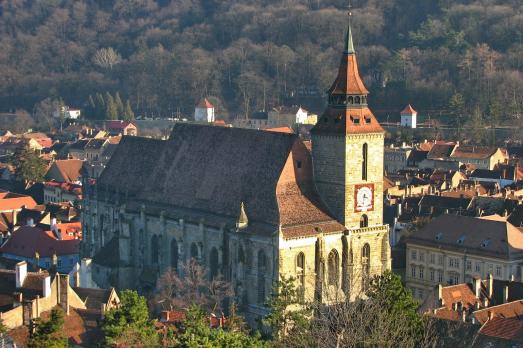
Brașov, RO
The most important church of the Gothic period in Transylvania is a result of several alterations of the two preceding churches, the first Romanesque building being destroyed by an earthquake. Apart from the architectural importance of the church this is the place where the first protestant service in German language was held in 1642, this being the starting point for the reformation which was to spread throughout Transylvania. Several earthquakes during the 16th and 17th Century demanded renovation and structural support of the vaults and walls. Also the second originally planned tower at the western facade was not constructed due to the danger of earthquakes. But the heaviest damage of the church happened during the Great Fire of 1689, when it burned down completely, followed by the collapse of the vaults. Since the reconstruction works which lasted until 1772, a composition of baroque and Gothic elements hence shaped the interior of the hall church. Further renovation works, completed 1999, changed the outside appearance by cleaning the sandstone, thus making the name “black church” history. The facades show a rich decor of ornamental and figurative sculpture of sandstone, some of them having been replaced by copies to protect them from air pollution. One can see the originals inside the church. On the interior walls there is a display of 104 oriental carpets that were brought to Transylvania through the broad trade relations of the Saxon merchants to the Middle East. They were given to the parish on the occasion of festivities and since then kept and cared for during the centuries.
Karnobat, BG
Together with a bathroom and the minaret, this compete mosque complex is the only remaining mosque in the town.
Blagoevgrad, BG
Located on Gotse Delchev Square in the northern part of the city, this mosque from the 19th century is now a historical monument.
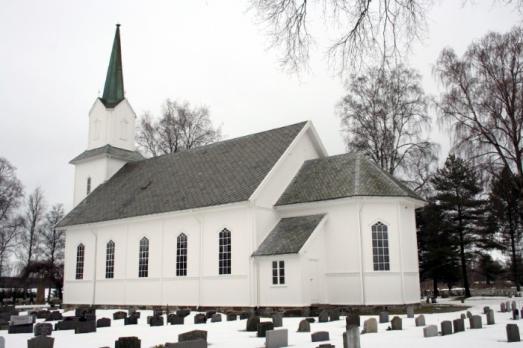
Lillestrøm, NO
Blaker Church is a wooden church designed by Otto Schønheyder and built by the builder Gulbrand Johnsen in 1881, with consecration on 21 December.
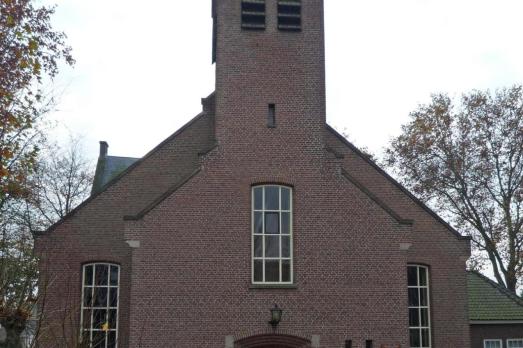
Andel, NL
The Blue Church of Andel has a long history that goes back to the 13th century. Originally dedicated to Saint Martin and the parish church of Op Andel. During the extensive restoration and renovation of the church in 1957, the building was investigated for earlier traces under the direction of Drs. H. Halbertsma. The investigation showed that there were remains of a triumphal arch in the ground. These foundation remains had a stone size that was common in the 13th century, which is why the dating is estimated at around 1275.
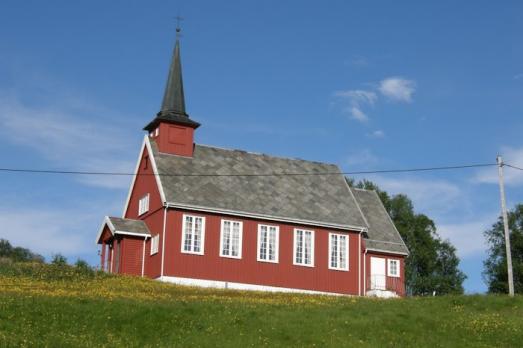
Bleikvasslia, NO
Bleikvassli church is a wooden long church from 1955. The architect for the church was Torgeir Alvsaker.
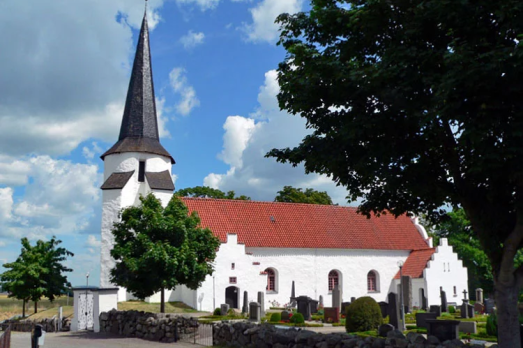
Blentarp, SE
Blentarps Kyrka is located in Blentarp, a village in Skåne län/Scania in southern Sweden.
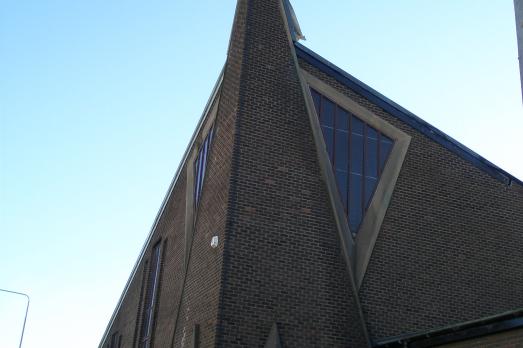
Gorbels, GB
Completed in 1975 the church is shaped like the prow of a ship. It is now home to the Franciscan Oder and is named after Blessed John, born in Duns in the Scottish Borders at the time of William Wallace and Robert the Bruce. It is the only remaining Catholic church in the Gorbals and maintains a tradition of holding a monthly mass in Lithuaninan.
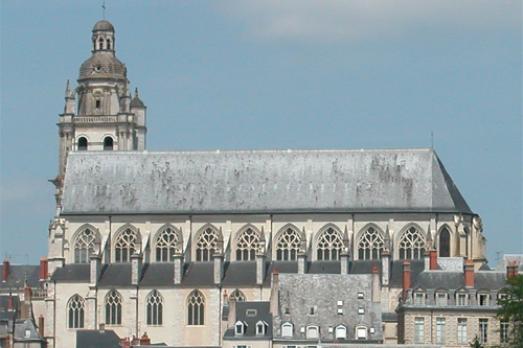
Blois, FR
The construction of this cathedral took a very long time, since it began in the 12th century, but was not completed until six centuries later, in the 18th century. Several campaigns of work follow one another, mixing several architectural styles.
new
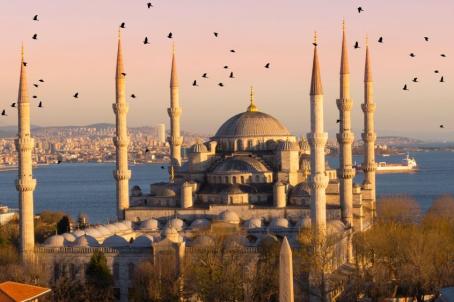
For a long time, Europe was ruled by powerful monarchies. Monarchy and religion have been connected since time immemorial. Here are 7 sites across Europe where royalty historically bent the knee to a higher power and received their crown.
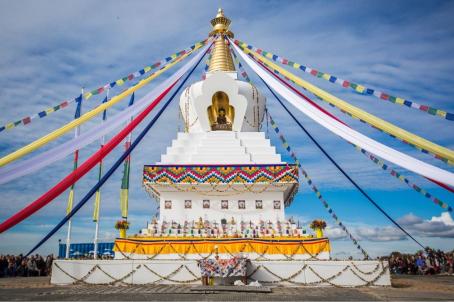
Stupas are symbols of enlightenment and peace that commemorate different stages of Buddha's life. Since the mid-20th century, thousands of stupas have begun to populate Europe. We have compiled some of the most impressive ones in this list.
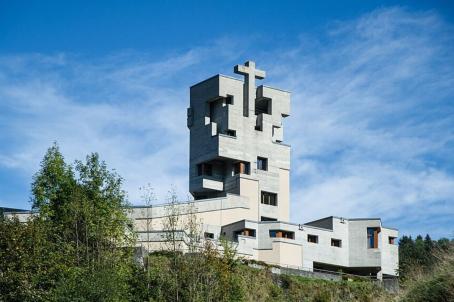
Walter Maria Förderer (1928–2006) was a Swiss architect and sculptor renowned for his neo-expressionist church designs in the 1960s. In this list we have compiled 6 of his church designs that seamlessly integrate religious and secular elements.

How is Religiana helping to conserve and promote Religious Heritage in Europe and why should you get involved?
Find out about Religiana
Are you a tourism organisation or religious heritage sites manager? Discover the advantages of becoming a partner.
See current partners
We can keep you up to date with the latest news from Religiana and religious heritage conservation across Europe.
Sign up to the FRH newsletter