Explore Religious Heritage Across Europe

Here you can search for a building to visit. You can use the map find destinations, or you can use the filters to search for a building based upon what different criteria.

Refine search

Capuchin Church and Monastery, Varaždin

Varaždin, HR

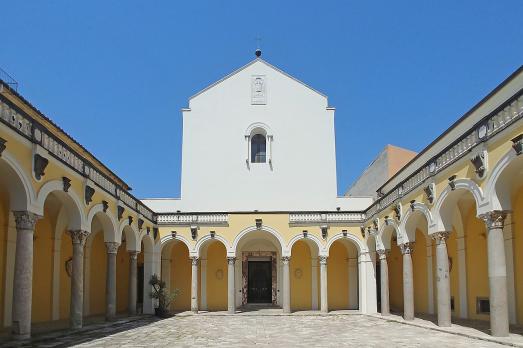
The Capuchin Church and Monastery in Varaždin were built at the beginning of the 18th century after the religious order obtained permission to settle in the town. Following the typical style of Capuchin buildings, its design is very simple. It is dedicated to the Blessed Trinity.

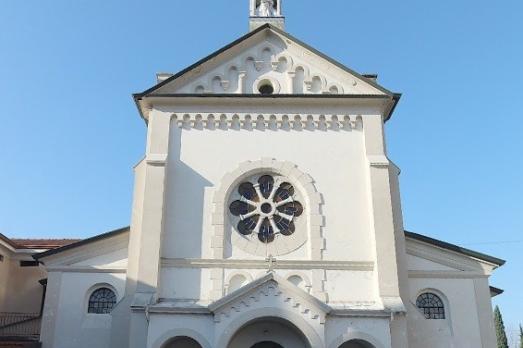
Capuchin Convent and Church, Gorizia

Capuchin Convent and Church, Gorizia

Gorizia, IT

The Capuchin Convent in Gorizia dates from 1591. It was founded under the Habsburg rule, when the town of Gorizia was part of the Province of Styria. The church is dedicated to Assumption and St. Francis of Assisi. The monastic complex suffered the struggles of the First World War, after the fall of the Habsburg monarchy. The convent was rebuilt in 1926 and expanded between 1960-1962.

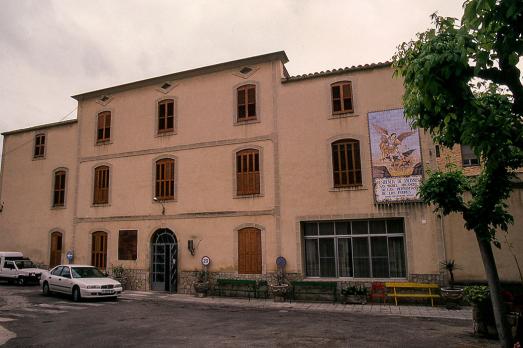
Capuchinos de Tortosa

Capuchinos de Tortosa

Tortosa, ES

The convent of Capuchins in Tortosa was founded in 1607 following a request from the city itself. The history of this house has been interrupted by the various conflicts that have affected the territory: in 1648 the convent was attacked and burnt down, in 1810 the convent was razed to the ground for defence purposes and in 1835 it was expropriated during the Spanish confiscation. It currently houses an old people's home owned by the bishopric of Tortosa.

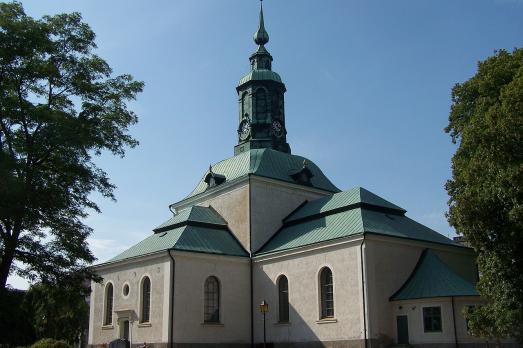
Carl Gustafs kyrka

Carl Gustafs kyrka

Karlshamn, SE

The Carl Gustaf Church, built in the 1680s and consecrated in 1702, is named after the founder of the city, Karl X Gustav (1654-1660). It was designed by Erik Dahlbergh. A wooden church from 1664 preceded the present stone church.

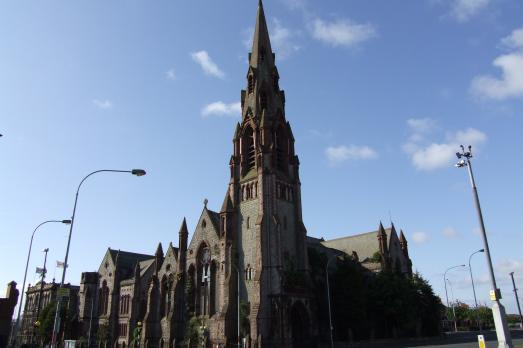
Carlisle Memorial Methodist Church

Carlisle Memorial Methodist Church

Belfast, GB

One of Belfast's most striking buildings, Carlisle Memorial Methodist Church has served as a gateway to North Belfast since 1875. Designed by native son, WH Lynn, it took just three years to complete. Built in a High Victorian neo Gothic style as a memorial to the children of local builder James Carlisle, it is being brought back into use by the Belfast Buildings Trust through a long term programme of regeneration.

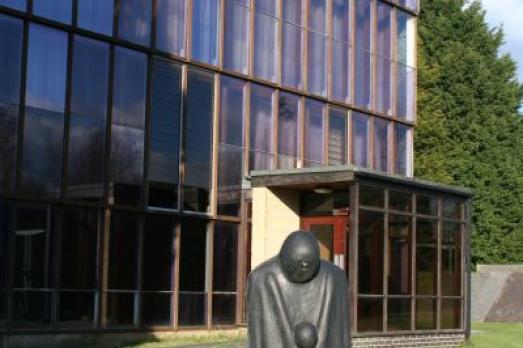
Carmel College Synagogue

Carmel College Synagogue

Wallingford, GB

The Carmel College Synagogue was built in 1963-1964 in the former Carmel College. This was the first Jewish public boarding school in the UK. The college has been closed since 1997. The synagogue is currently a Grade II Listed Building.

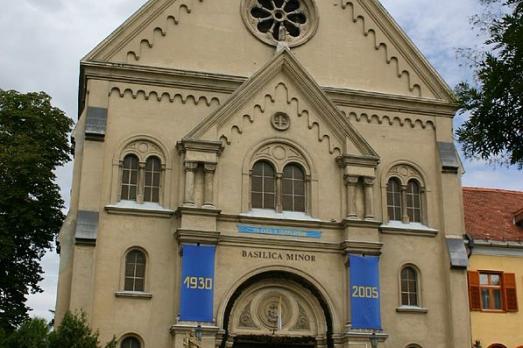
Carmelite Basilica, Keszthely

Carmelite Basilica, Keszthely

Keszthely, HU

The Carmelite basilica was built in the neo-Romanesque style between 1927 and 1930. Its designer was Bruno Buchwieser, and its architect was Béla Marshall. During the Second World War, the church did not suffer any serious damage, although it took several years to repair it. In 1947, the side altar of St. John the Baptist, completed during the war, was consecrated. Since 2008 it has been the seat of the Carmelite Order.

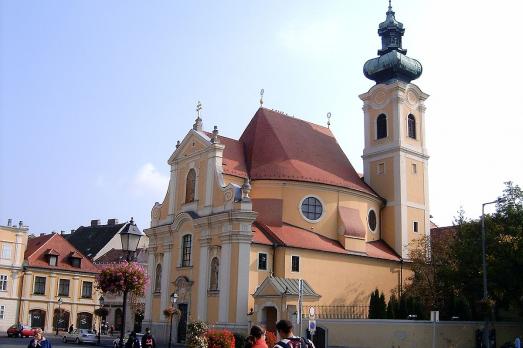
Carmelite Church, Győr

Carmelite Church, Győr

Győr, HU

The Carmelite church is a masterpiece of Baroque architecture built between 1716 and 1725. The church was designed by the Carmelite monk and architect Márton Athanáz Wittwer. The side altars were painted by Martino Altomonte.

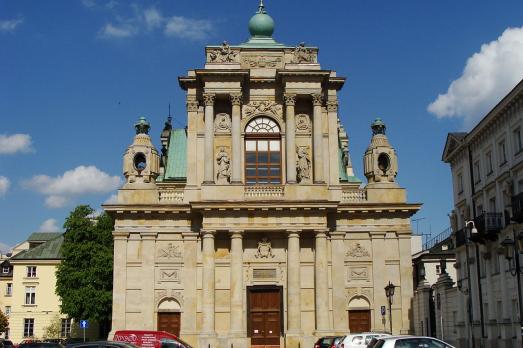
Carmelite Church

Carmelite Church

Warsaw, PL

If the foundation of the Carmelite Church of Warsaw dates back to the 17th century, its famous neoclassical façade was built later on in 1761-1783. The church takes its name from the Order of the Discalced Carmelites who built the orginel building.

Carmo Church and Convent, Moura

Carmo Church and Convent, Moura

Moura, PT

The Carmo Church and Convent (Igreja e Convento do Carmo) in Moura were the first headquarters of the Carmelite Order in the Iberian Peninsula. The complex features a predominant Renaissance-style.

Be inspired

Stupkalnis.lt

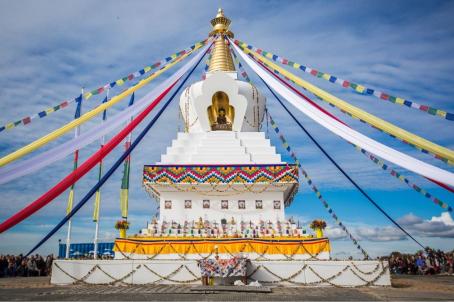
10 Buddhist stupas to discover in Europe

Stupas are symbols of enlightenment and peace that commemorate different stages of Buddha's life. Since the mid-20th century, thousands of stupas have begun to populate Europe. We have compiled some of the most impressive ones in this list.