Explore Religious Heritage Across Europe

Here you can search for a building to visit. You can use the map find destinations, or you can use the filters to search for a building based upon what different criteria.

Refine search

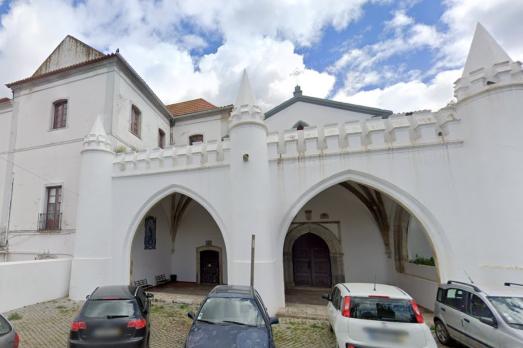
Church of São Francisco / Convent of Santo António, Serpa

Church of São Francisco / Convent of Santo António, Serpa

Serpa, PT

The Convent of Santo António was founded in 1463 under the patronage of Infante D. Fernando, brother of D. Afonso V, and was reconstructed by King D. Manuel I in 1502. The cylindrical buttresses with conical finishes in the Manueline-Mudejar style, which is so prevalent in southern Portugal, are distinguishing characteristics of this church.
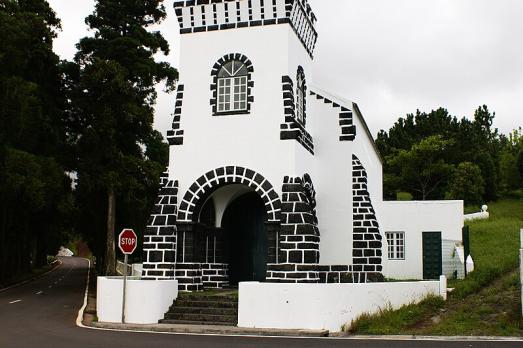
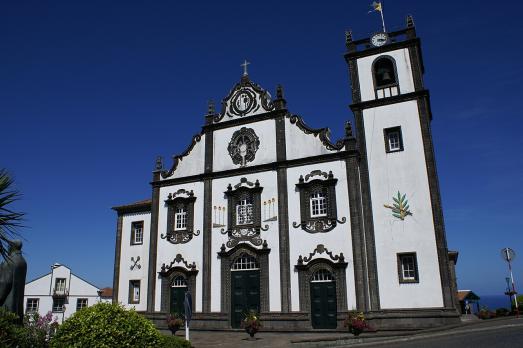
Church of São Gonçalo de Amarante

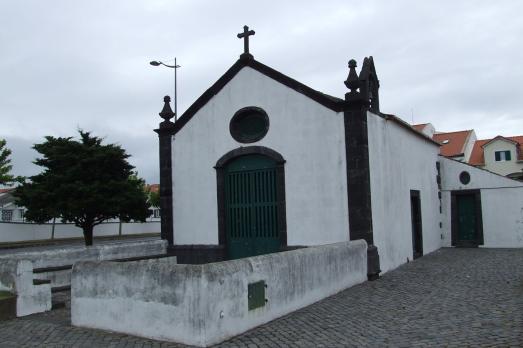
Church of São Gonçalo de Amarante

Ponta Delgada, PT

It was built on the initiative of the parents of Father Manuel Roiz (Rodrigues) Pereira, in accordance with his will, made in Ribeira Grande on January 15, 1565.

Church of São João (Faial)

Church of São João (Faial)

Flamengos, PT

The work was launched and the responsibility for it fell almost entirely on that owner. Meanwhile, a committee was organized to raise resources. On June 24, 1921, the first stone was laid, an act presided over by that priest, representing the governor of the diocese of Angra.

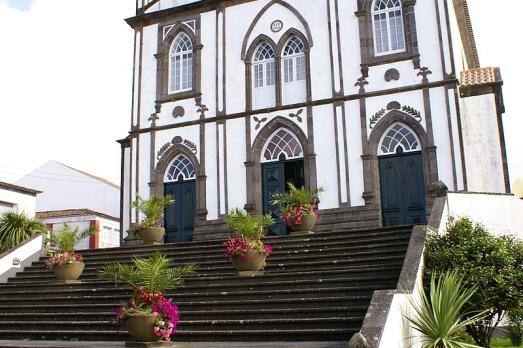
Church of São Jorge (Nordeste)

Church of São Jorge (Nordeste)

Nordeste, PT

The primitive church, invocation of S. Jorge, already existed before 1522, on the occasion of the cataclysm that subverted Vila Franca do Campo. The place was poor and repairing it was difficult, as stated by Gaspar Frutuoso. In 1796, the reconstruction of the new temple began, giving it its current appearance.

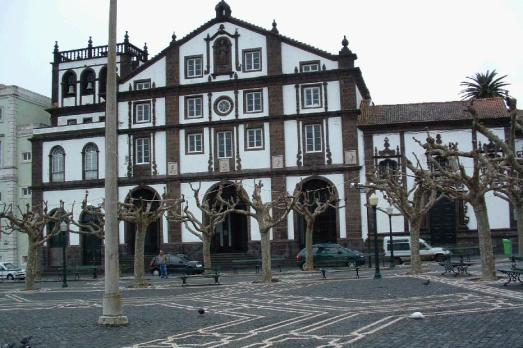
Church of São José (Ponta Delgada)

Church of São José (Ponta Delgada)

Ponta Delgada, PT

The original church on site, with the invocation of Our Lady of Conception, dates back to the 16th century and belonged to the Monastery of the Order of Saint Francis. The current temple was built in 1709.

Church of São José (Salga)

Church of São José (Salga)

Salga, PT

Salga is a suffragan of Achadinha and its original church, a hermitage dedicated to São José, which was built shortly before 1746. The temple was built at the expense of the residents, as stated in a document signed by the bishop of Angra do Heroísmo and registered in the Achadinha pastoral guest book. So, Salga only had 43 homes and 160 souls. Still, he wanted to have a curate, which was Father Manuel de Medeiros Moniz.

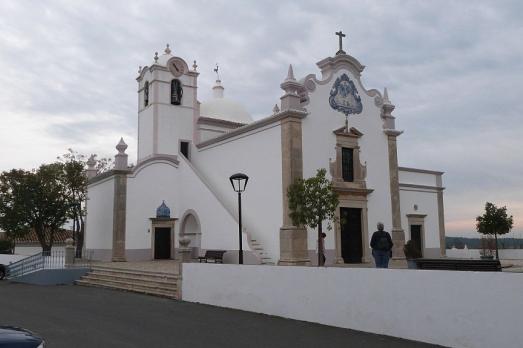
Church of Sao Lourenço

Church of Sao Lourenço

Almancil, PT

The Igreja de São Lourenço or Church of São Lourenço is a 17th-century temple important for the gilded decoration of the altar and the tile panels on the interior walls.

Church of São Marcos

Church of São Marcos

4700-308, PT

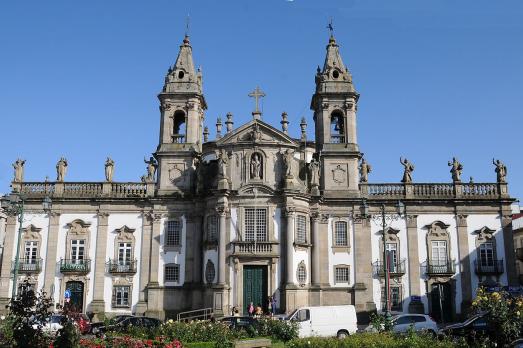
The Hospital Church, or Church of São Marcos, was built in the 18th century on a project by the architect Carlos Amarante. The relics of the body of the Apostle and Bishop San Marcos are in this church for the veneration of the faithful. In 2016, the north pavilion of the church building, to the left of the façade, was converted into the "Vila Galé" hotel.

Church of São Mateus (Ribeirinha)

Church of São Mateus (Ribeirinha)

Espalhafatos, PT

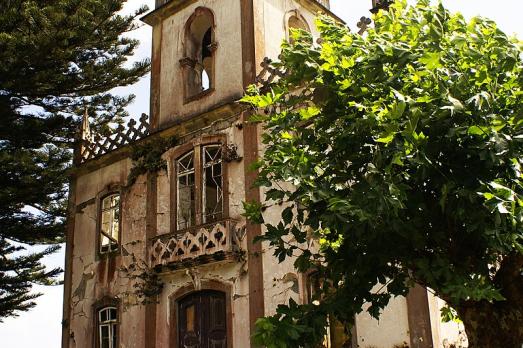
This church, which presented itself as a beautiful and exotic temple that had been inaugurated in 1934, was destroyed by the strong earthquake of July 9, 1998, which caused a lot of damage, not only on the island of Faial, but also on the island of Pico and on the island of São Jorge.

Church of São Mateus da Calheta

Church of São Mateus da Calheta

São Mateus da Calheta, PT

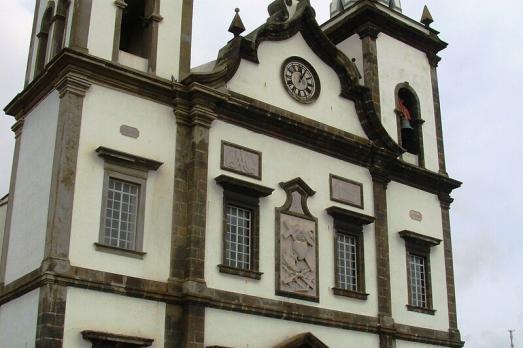
The first stone of the new parish church was solemnly laid on September 21, 1895 on land donated by a benefactor, located in the heart of the town, far from the sea and with easy access from the entire parish. The project was designed by António Baía Paixão, an employee of the Public Works of Angra, with the assistance of Father Manuel Maria da Costa.

Be inspired

Stupkalnis.lt

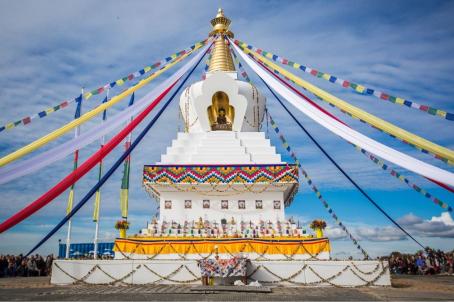
10 Buddhist stupas to discover in Europe

Stupas are symbols of enlightenment and peace that commemorate different stages of Buddha's life. Since the mid-20th century, thousands of stupas have begun to populate Europe. We have compiled some of the most impressive ones in this list.