Explore Religious Heritage Across Europe

Here you can search for a building to visit. You can use the map find destinations, or you can use the filters to search for a building based upon what different criteria.

Refine search

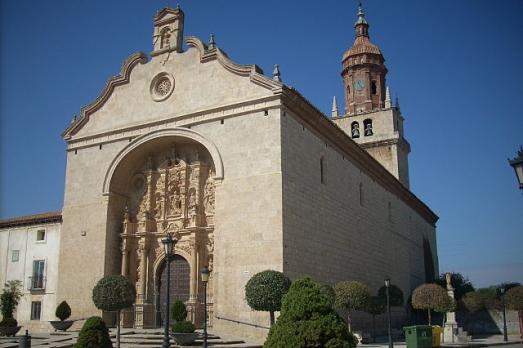
Church of Santa María la Mayor

Church of Santa María la Mayor

Híjar, ES

Originally a Gothic-Mudejar church, the church of Santa María la Mayor in Híjar (Province of Teruel, Spain) featured a polygonal apse with exterior buttresses and a single nave consisting of one section covered by a ribbed vault. Although there were renovations in the 16th and 18th centuries, the building's construction started in the 14th century.

Church of Santa María la Mayor

Church of Santa María la Mayor

Calamocha, ES

The Church of Santa María la Mayor was built in the 16th century and renovated in the 18th century. The nave and the last three parts of the church seem to date from this period, modeled on the earlier style. The church has a rectangular ground plan, three aisles and a straight head to the east, in keeping with the style of the so-called "hall churches".
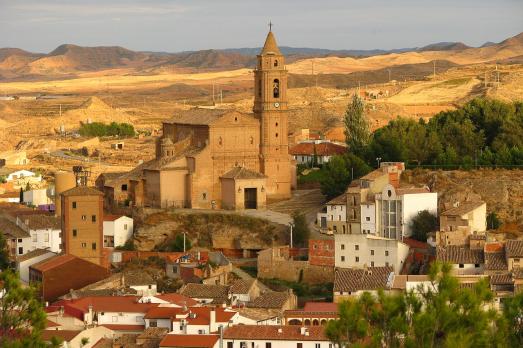
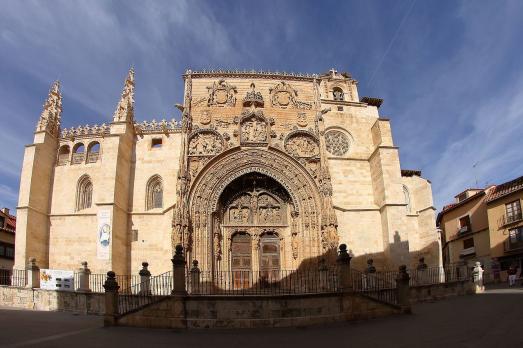
Church of Santa María la Real

Church of Santa María la Real

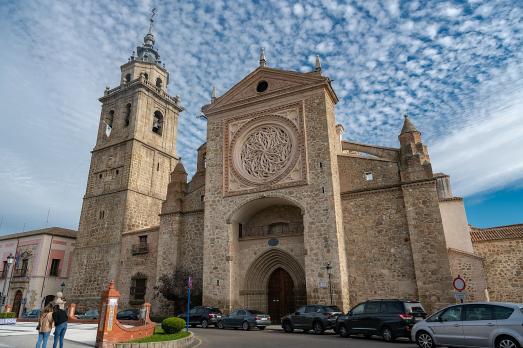
Aranda de Duero, ES

The church of Santa María la Real was built between the 15th and 16th centuries. The current church is built on the site of an earlier Romanesque church, of which only the tower remains. The Elizabethan Gothic façade of the church of Santa María la Real was completed, according to experts, between 1514 and 1516.

Church of Santa María Magdalena (Tarazona)

Church of Santa María Magdalena (Tarazona)

Tarazona, ES

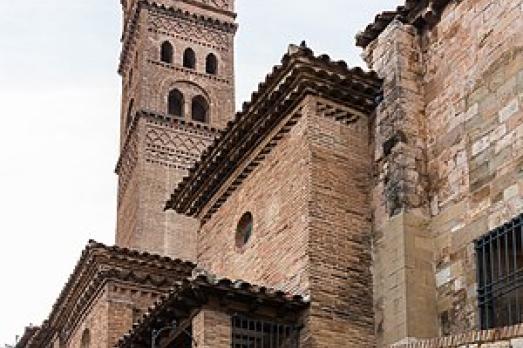
The origin of its construction dates back to the end of the 12th century, a period from which only the three Romanesque apses built in ashlar stone and the base of the tower located at the foot of the Epistle side remain. This tower was enlarged in brick on two occasions, first at the end of the 15th century in the Mudejar style and then at the beginning of the 17th century in the Mannerist style.

Church of Santa María Magdalena (Zaragoza)

Church of Santa María Magdalena (Zaragoza)

Zaragoza, ES

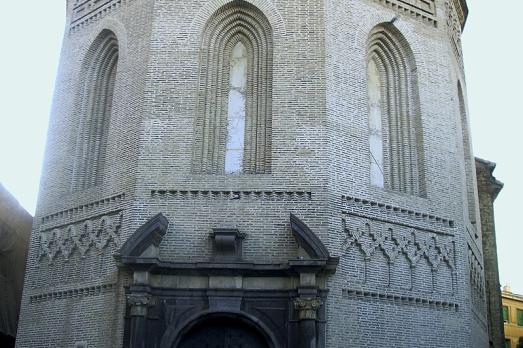
Mudejar church from the 14th century, it is already mentioned as a Romanesque church in 1126. Its interior was renovated in the 17th and 18th centuries in a baroque style, and it has maintained the original structure and the square tower, made of brick, with great analogies with the Mudejar towers. from Teruel.

Church of Santa María Magdalena

Church of Santa María Magdalena

Zamora, ES

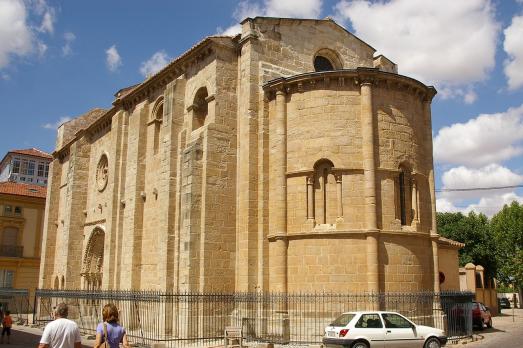
The church of Santa María Magdalena is a Romanesque church built between the 12th and 13th centuries. The church seems to have been built in two periods: the first of Romanesque influence, the second of Gothic influence. The temple would have belonged to both the Hospitallers and the Knights Templar.

Church of Santa Maria

Church of Santa Maria

Cadaqués, ES

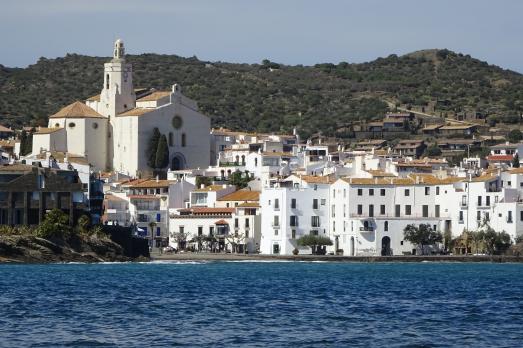
Santa Maria de Cadaqués is first mentioned at the end of the 13th century. The present church, consecrated in 1642, is a reconstruction of the old church which had been burnt down by pirate raids as early as 1444 and 1548. The nave closest to the entrance dates from the 17th century and the Fonda Capella, on the left wall, dates from the 18th and 19th centuries.

Church of Santa María, Piasca

Church of Santa María, Piasca

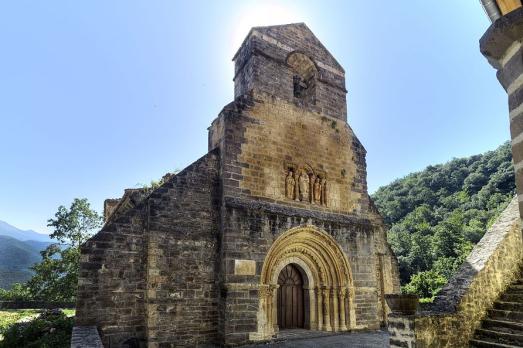
Piasca, ES

The Church of Santa María in Piasca, built in 1172, is one of the best-preserved Romanesque churches in the region of Cantabria.

Church of Santa María

Church of Santa María

Talavera de la Reina, ES

The old collegiate church of Santa María, known as "La Mayor", is a reconstruction of the 14th and 15th centuries in Gothic-Mudejar style. The first traces of the current building date back to the 12th century. The church was a collegiate church until 1851.

Church of Santa Marinha de Cortegaça

Church of Santa Marinha de Cortegaça

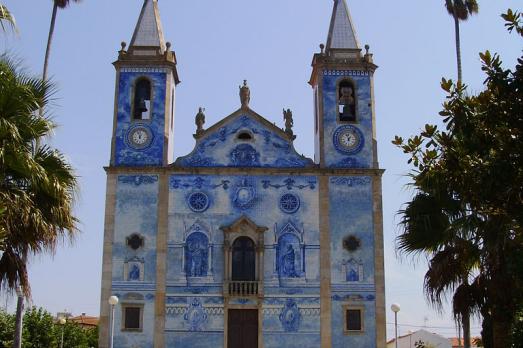
Cortegaça, PT

The Igreja de Santa Marinha de Cortegaça is a 20th-century church in the village of Cortegaça known for the tiles panels that decorate its exterior.

Be inspired

Stupkalnis.lt

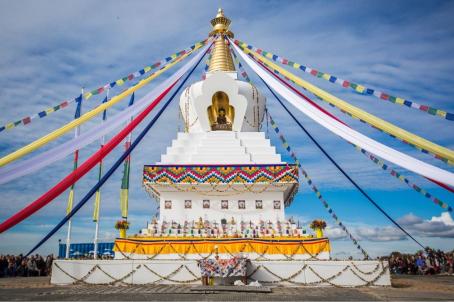
10 Buddhist stupas to discover in Europe

Stupas are symbols of enlightenment and peace that commemorate different stages of Buddha's life. Since the mid-20th century, thousands of stupas have begun to populate Europe. We have compiled some of the most impressive ones in this list.