Explore Religious Heritage Across Europe

Here you can search for a building to visit. You can use the map find destinations, or you can use the filters to search for a building based upon what different criteria.

Refine search

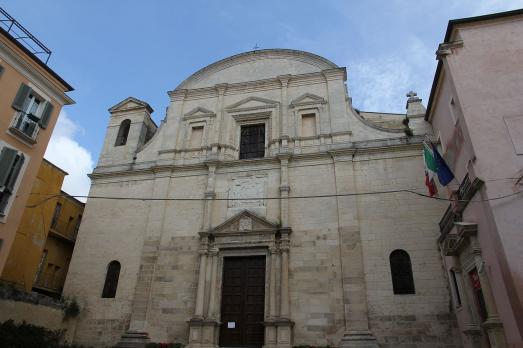
Church of Santa Caterina

Church of Santa Caterina

Sassari, IT

The Church of Santa Caterina, built between 1579 and 1609, is the first church in Sardinia to have been built according to the liturgical and architectural canons of the Counter-Reformation, defined by the Council of Trent. The design of the church was elaborated by the Jesuit architects Giovanni Maria Bernardoni and Giovanni de Rosis, who were inspired by the Roman Church of Jesus. The church, once called "Church of Jesus and Mary", took the name of Santa Caterina in 1853.
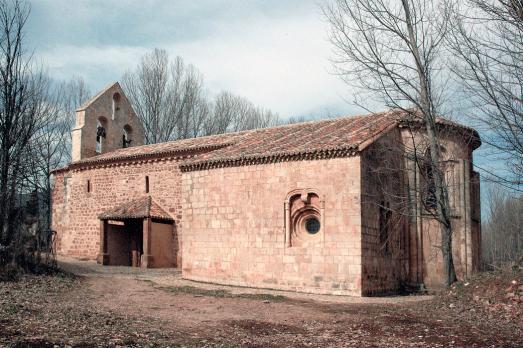
Church of Santa Coloma de Albendiego

Church of Santa Coloma de Albendiego

Atienza, ES

The first mention of this monastery dates back to 1197. Albendiego is known thanks to the church that still preserves a beautiful Romanesque chancel, although the rest of the temple was rebuilt in a later period.

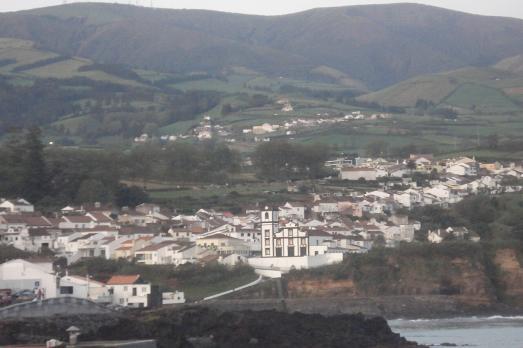
Church of Santa Cruz (Lagoa)

Church of Santa Cruz (Lagoa)

Lagoa, PT

It is already mentioned by Gaspar Frutuoso, who served as interim parish priest there from 1558 to 1560. The same Frutuoso informs that, on August 25, 1507, it was visited by the bishop of Tangier, D. João Lobo, who ordained some priests there.

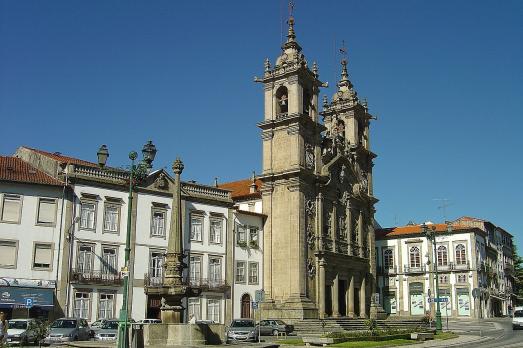
Church of Santa Cruz

Church of Santa Cruz

Braga, PT

The church of Santa Cruz was built between 1625 and 1653, except for the towers, which were completed in 1694. From 1734 to 1739, due to the deterioration of the church, the entire body of the building was rebuilt, leaving only the façade, which was remodelled by Carlos António Leone. The building is in Mannerist Baroque style and has unusual golden woodwork inside.

Church of Santa Eulalia (Avellanedo)

Avellanedo, ES

The Church of Santa Eulalia is a Romanesque church set in the middle of a landscape of meadows and woods, near the village of Avellanedo. The earliest mention of this church dates back to 831.

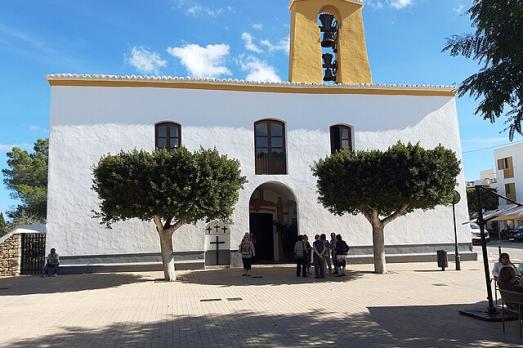
Church of Santa Gertrudis

Church of Santa Gertrudis

Santa Gertrudis de Fruitera, ES

The main building was constructed in the 18th Century and has a bell tower, which was remodeled during the 19th Century. It has the largest bell tower of all the rural churches in the Balearic islands.

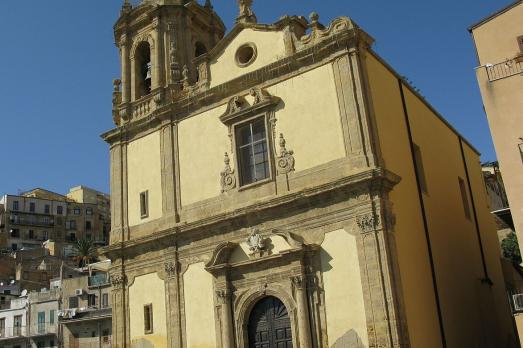
Church of Santa Lucia

Church of Santa Lucia

Agrigento, IT

The church of the Assunta or Santa Lucia dates from the 18th century. On the right wall is the beautiful baroque bell tower. The interior of the church has a single nave and is decorated with some works of art including an ecstasy of Saint Rita, a painting from the 18th or 19th century and a Holy Family from the 18th century. There is, of course, a beautiful statue of Saint Lucia. In the high altar, there is a statue of the Madonna.

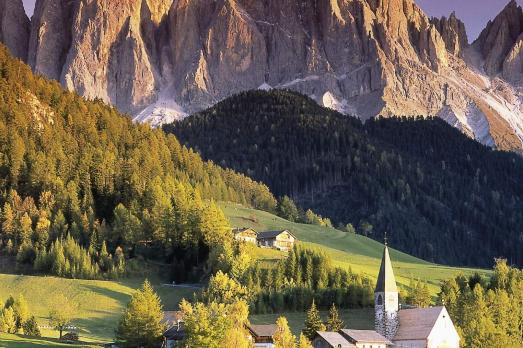
Church of Santa Maddalena

Church of Santa Maddalena

Santa Maddalena Alta, IT

The first mention of the church of Santa Maddalena dates back to 1394. The nave of the church consists mainly of a "corridor" building, therefore typically late Gothic, with an asymmetrical ribbed vault. The interior decoration of the church dates back to the XVIII century and is in Baroque style.

Church of Santa Margherita

Church of Santa Margherita

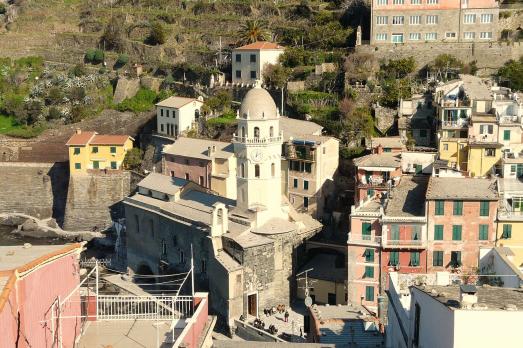
Vernazza, IT

The church of Santa Margherita was probably built in the 13th century on a site where churches have been built since the 11th century. Between the 16th and 17th centuries the building was enlarged to the detriment of the original medieval aspect of the church. In the 18th century, the church underwent a further renovation, which covered the Romanesque interiors with Baroque cladding.

Church of Santa María

Church of Santa María

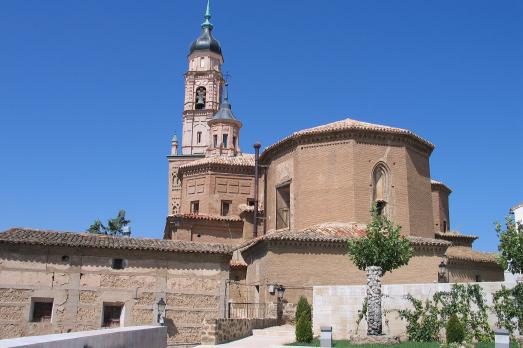
Ateca, ES

The church of Santa María is a Catholic parish temple in the Zaragoza town of Ateca in the Aragonese Mudejar style. It is the seat of the Archpriest of Alto Jalón of the diocese of Tarazona. It is the seat of the town's patron saint, the Virgen de la Peana, and a national monument.

Be inspired

Stupkalnis.lt

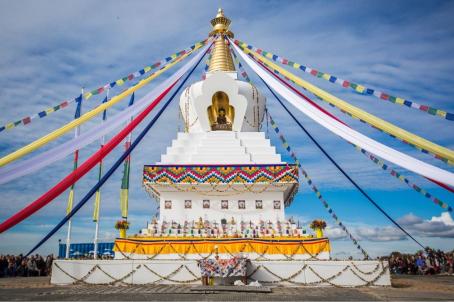
10 Buddhist stupas to discover in Europe

Stupas are symbols of enlightenment and peace that commemorate different stages of Buddha's life. Since the mid-20th century, thousands of stupas have begun to populate Europe. We have compiled some of the most impressive ones in this list.