Explore Religious Heritage Across Europe

Here you can search for a building to visit. You can use the map find destinations, or you can use the filters to search for a building based upon what different criteria.

Refine search

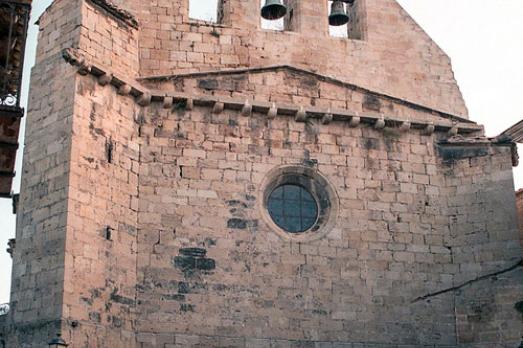
Church of Sant Joan Baptista

Church of Sant Joan Baptista

Horta de Sant Joan, ES

The Church of Sant Joan Baptista is a Gothic church built between the 14th and 16th centuries. It has a single nave covered by a cross vault with three former arches. In the centre, between two chapels, there is a pointed arch doorway with archivolts and pinnacles. At the foot of the nave is the choir, under a lowered vault with a carved stone railing.
Church of Sant Josep de Maó

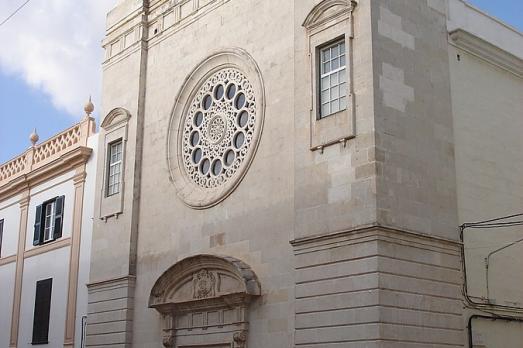
Church of Sant Josep de Maó

Maó, ES

The Church of Sant Josep de Maó was built in 1738 by the community of builders, carpenters and boiler makers, dedicated to Sant Josep. It is a building of a very simple style, with a single nave, with small chapels on each side. In the period between 1764 and 1782 it became part of the Anglican cult, but with the Spanish domination of 1802 it definitively passed to the Catholic cult.

Church of Sant Romà

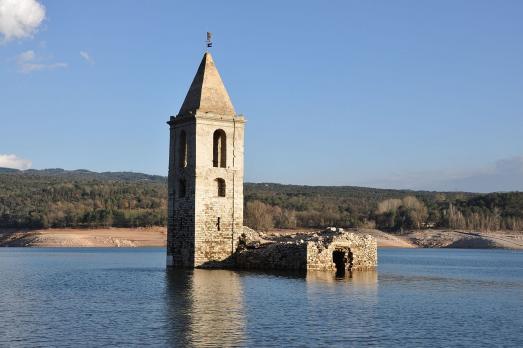
Church of Sant Romà

Sau Reservoir, ES

The Church of Sant Romà is a Lombard Romanesque building built in the 11th century and consecrated in 1062. It was seriously affected by an earthquake in the 15th century and was later renovated and enlarged. Since the construction of the Sau reservoir in the 1960s, it has been submerged underwater with the rest of the village, but in times of drought, it can be accessed.

Church of Sant'Agostino

Church of Sant'Agostino

Salerno, IT

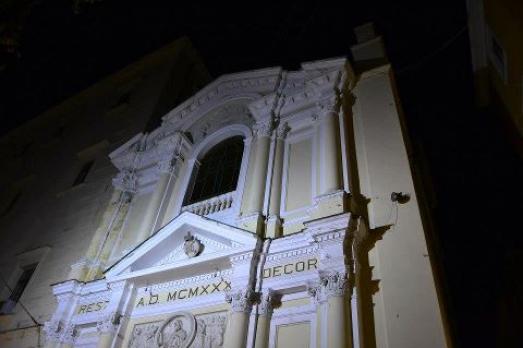
The Church of Sant'Agostino is a reconstruction, at the beginning of the 19th century, of the Convent of Sant'Agostino, founded in 1309. Inside there is the Virgin of Constantinople, now at the altar, but originally displayed in a chapel in the convent courtyard. She was found in 1453 on the beach in front of the convent and is thought to have come from Constantinople, hence the name. From the beginning, it received great popular devotion, still alive today, by virtue of the miraculous powers attributed to it.

Church of Sant'Andrea al Quirinale

Church of Sant'Andrea al Quirinale

Roma, IT

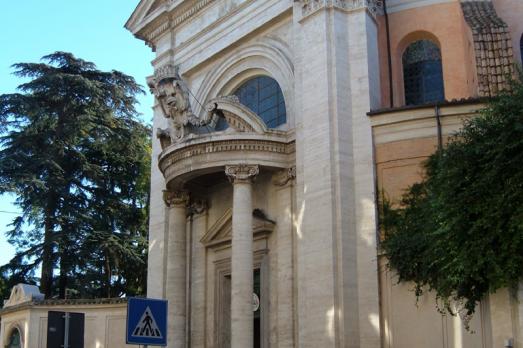
The church of Sant'Andrea al Quirinale was built between 1658 and 1670 on a design by Gian Lorenzo Bernini. The façade opens onto a small cemetery widened by two concave wings, illusively enlarging the space on the model of the colonnade of St. Peter's Basilica in the Vatican, also by Bernini.

Church of Sant'Andrea di Lavina

Church of Sant'Andrea di Lavina

Salerno, IT

The church of Sant'Andrea di Lavina dates back at least to the 9th century. The first church, built on the ruins of a Roman building, was destroyed by an unknown natural disaster and was replaced in the 10th century by a new, larger church. A third church was built around the 12th century and at the end of the 16th century, it was given a Baroque appearance, which it still preserves in part. The bell tower can be dated to the 11th century. The church is so-called because of the Lavina stream that still flows under the nearby road.

Church of Sant'Anna dei Palafrenieri

Church of Sant'Anna dei Palafrenieri

Vatican City, VA

The Church of Sant'Anna dei Palafrenieri was founded in 1565 and is a rare example of a 16th century oval church. The church was completed in the eighteenth century, when the façade, the dome and the interior frescoes were made. The church became the parish of the Vatican City with the bull Ex Lateranensi pacto of Pope Pius XI of 30 May 1929.

Church of Sant'Antioco

Church of Sant'Antioco

Sant'Antioco, IT

This 5th-century church was constructed on the site of the Roman catacombs of the island. The catacombs are famous for being the place where Saint Antioch hid from Roman slavers and is now the resting place of Antioch himself.

Church of Sant'Antonio Abate

Church of Sant'Antonio Abate

Rieti, IT

The church of Sant'Antonio Abate was built as part of an architectural complex that already existed in the early 14th century and included a hospital. In July 1570, Jacopo Barozzi da Vignola was commissioned by the Compagnia Del Sacramento to design a new church to replace the small chapel of the hospital of Sant'Antonio Abate. Vignola decided to design a church with characteristics similar to those of the Church of the Gesù in Rome.

Church of Sant'Aspreno ai Crociferi - Jago Museum

Church of Sant'Aspreno ai Crociferi - Jago Museum

Naples, IT

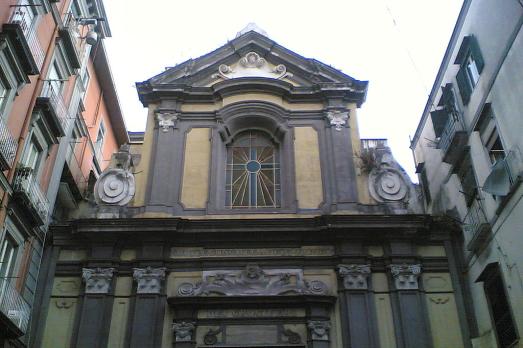
The Church of Sant'Aspreno ai Crociferi is a historic 17th-century temple in Naples. Since 2022 it has housed the Jago Museum, dedicated to the works of artist and sculptor Jacopo Cardillo.

Be inspired

Stupkalnis.lt

10 Buddhist stupas to discover in Europe

Stupas are symbols of enlightenment and peace that commemorate different stages of Buddha's life. Since the mid-20th century, thousands of stupas have begun to populate Europe. We have compiled some of the most impressive ones in this list.