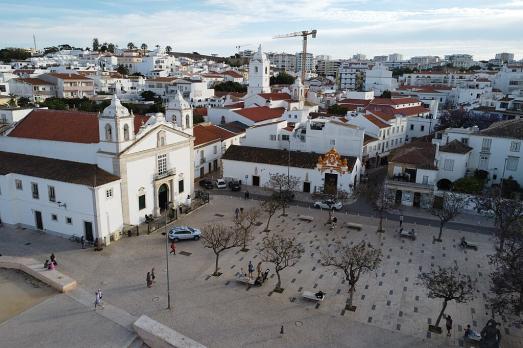
Church of Santa Maria de Lagos
Lagos, PT
Constructed in the early 16th century as the 'Church of Mercy', this church was later designated as the parish church following the devastating earthquake of 1755.

Here you can search for a building to visit. You can use the map find destinations, or you can use the filters to search for a building based upon what different criteria.
Lagos, PT
Constructed in the early 16th century as the 'Church of Mercy', this church was later designated as the parish church following the devastating earthquake of 1755.
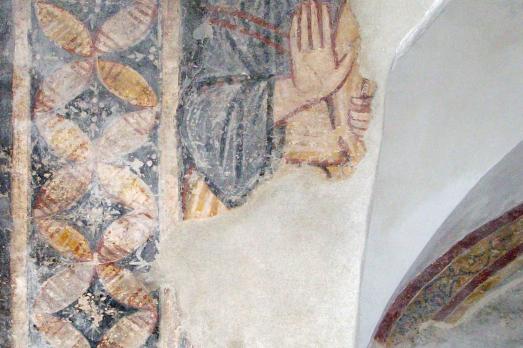
Salerno, IT
The Church of Santa Maria de Lama is one of the oldest churches in Salerno, probably built between the 10th and 11th centuries. The first church was Byzantine in its structure and was built on a pre-existing Roman building of the 2nd century. Damaged in the 13th century, the church was radically restored and decorated with frescoes. In the XVII century, the church was restored in Baroque style, which led to the loss of almost all the frescoes and mosaics. Thanks to restorations, frescoes from the 13th century, but also from the 10th and 11th century are now visible in the church.
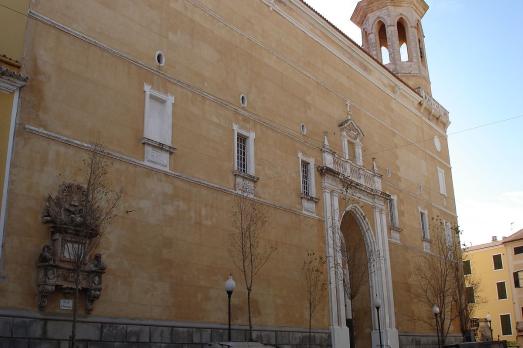
Mahón, ES
The Church of Santa Maria is a Catholic temple in the city of Maó, in the Balearic Islands, dedicated to Santa Maria.
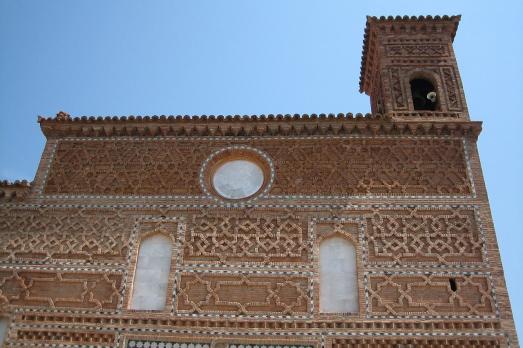
Tobed, ES
The church of Santa María de Tobed is a fortress-Gothic-Mudejar church built between 1356 and 1385. Erected by the Order of the Holy Sepulchre of Calatayud, it is a prototype of a church fortress, a concept unique in Spain at the time. On the outside, it is designed for defence, with a peripheral gallery and a defence radius. It is a UNESCO World Heritage Site with 6 other Aragonese monuments.
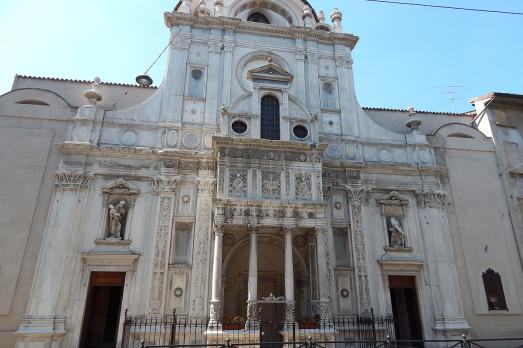
Brescia, IT
The church of Santa Maria dei Miracoli was built between 1487 and 1490, its magnificent carved façade was finished a little later in 1500. The walls and vaults of the church are also frescoed and stuccoed by different authors. Most of the murals were destroyed during the Second World War, when the building was severely damaged by bombardments that miraculously did not affect the facade and the precious sculptures of the first dome. In the following years, the sanctuary was rebuilt respecting the original building.
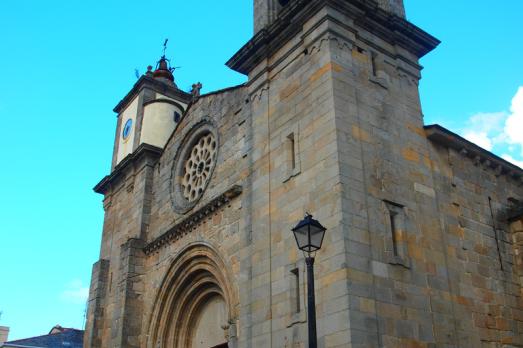
Vivero, ES
Romanesque from the 12th century, the church has a basilica plan with three naves: the central one, six meters wide, and the lateral ones, three. Three columns separate the naves on each side. It has a semicircular apse, divided on the outside into three openings by two attached semi-columns with openings of semicircular arches on knurled columns. The apse is covered with a semicircular barrel vault.
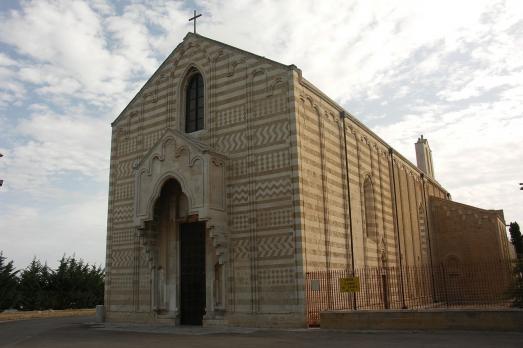
Brindisi, IT
The Church of Santa Maria del Casale is a Romanesque-Gothic church erected at the end of the 13th century on the site of a chapel that contained a venerated Marian icon. In 1811 the church was removed under Murat and was used as barracks. The Franciscans returned there in 1824 and tried to repair the very serious damage. The building was recently restored by the missionaries of the Consolata of Turin, who settled in the nearby 16th century convent.
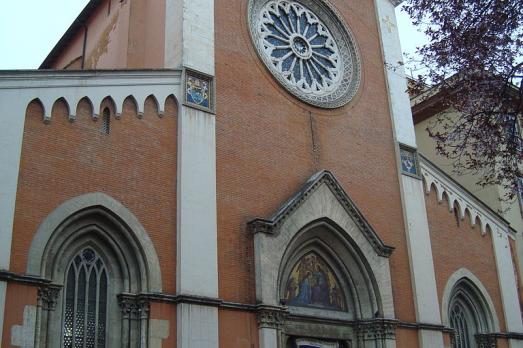
Roma, IT
The Church of Santa Maria del Rosario in Prati was built at the beginning of the 20th century and completed between 1912 and 1916 in neo-gothic style by the architect Giuseppe Ribaldi. The interior has three naves divided by pillars and five arches. The interior paintings are by Giovan Battista Conti.
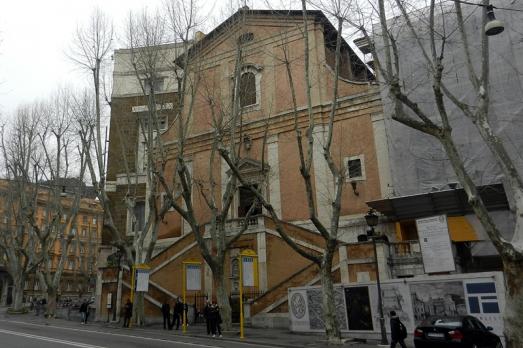
Roma, IT
The Church of Santa Maria della Concezione dei Cappuccini, built between 1626 and 1631 by order of Pope Urban VIII (1623-1644) to house the tomb of his brother Antonio Barberini. The building houses a popular crypt-shrine decorated with the bones of about 4000 Capuchin friars, collected between 1528 and 1870 in the former cemetery of the Capuchin order, which was located in the church of Santa Croce e Bonaventura dei Lucchesi, near the Quirinale.
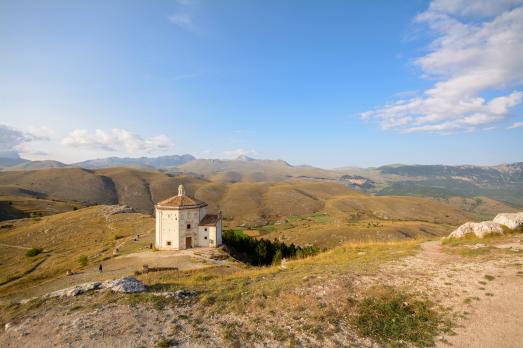
Rocca, IT
The church of Santa Maria della Pietà was founded in 1596 on a pre-existing Renaissance building. It has an octagonal exterior structure. The main portal, closed by a wooden door, is in Baroque style and faces south, surmounted by an arched tympanum interrupted by a small aedicula; to the right and left are two other small aedicula, also empty.
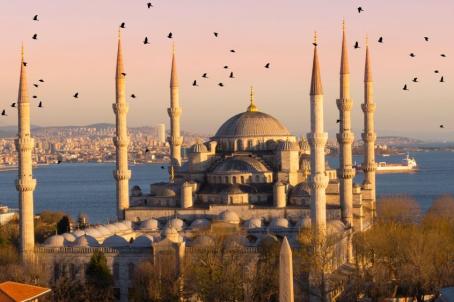
new
For a long time, Europe was ruled by powerful monarchies. Monarchy and religion have been connected since time immemorial. Here are 7 sites across Europe where royalty historically bent the knee to a higher power and received their crown.
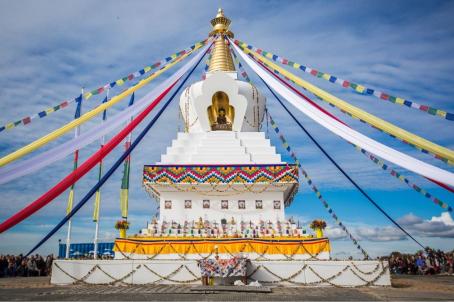
Stupas are symbols of enlightenment and peace that commemorate different stages of Buddha's life. Since the mid-20th century, thousands of stupas have begun to populate Europe. We have compiled some of the most impressive ones in this list.
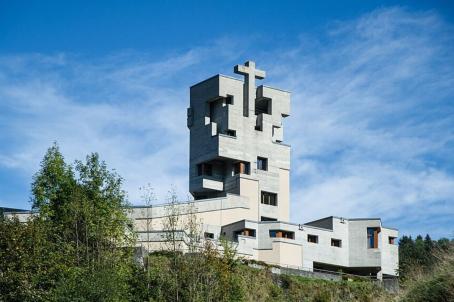
Walter Maria Förderer (1928–2006) was a Swiss architect and sculptor renowned for his neo-expressionist church designs in the 1960s. In this list we have compiled 6 of his church designs that seamlessly integrate religious and secular elements.

How is Religiana helping to conserve and promote Religious Heritage in Europe and why should you get involved?
Find out about Religiana
Are you a tourism organisation or religious heritage sites manager? Discover the advantages of becoming a partner.
See current partners
We can keep you up to date with the latest news from Religiana and religious heritage conservation across Europe.
Sign up to the FRH newsletter