Explore Religious Heritage Across Europe

Here you can search for a building to visit. You can use the map find destinations, or you can use the filters to search for a building based upon what different criteria.

Refine search

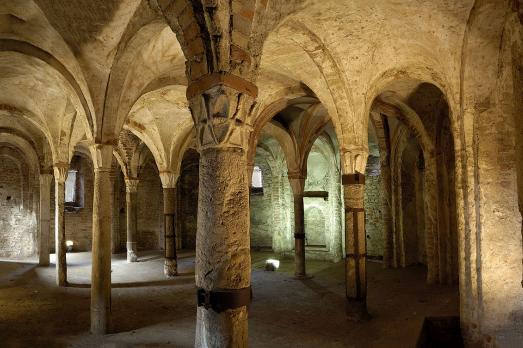
Church of Sant'Eusebio

Church of Sant'Eusebio

Pavia, IT

The Church of Sant'Eusebio was a church in Pavia, of which only the crypt remains today. Built as an Arian cathedral by King Rothari (636-652), it later became an important place of conversion to Catholicism for the Lombards. The crypt of Sant'Eusebio is one of the two proto-Romanesque crypts in Pavia, together with that of S. Giovanni Domnarum. The crypt is divided into five naves by slender columns supporting cross vaults. The capitals of the columns are truncated pyramid-shaped and reproduce various motifs. Together with the cycle of Romanesque frescoes that decorate the vaults, they constitute the most interesting elements of the crypt.
Church of Sant'Irene dei Teatini, Lecce

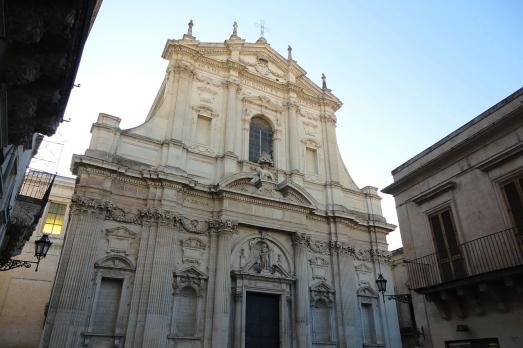
Church of Sant'Irene dei Teatini, Lecce

Lecce, IT

The church of Sant'Irene dei Teatini was built from 1591 on a project by the Francesco Grimaldi Theatre (1543-1613) and was completed in 1639. The Baroque building is reminiscent of the model of the Basilica of Sant'Andrea della Valle in Rome, where the architect Grimaldi himself worked.

Church of Sant'Onofrio al Gianicolo

Church of Sant'Onofrio al Gianicolo

Roma, IT

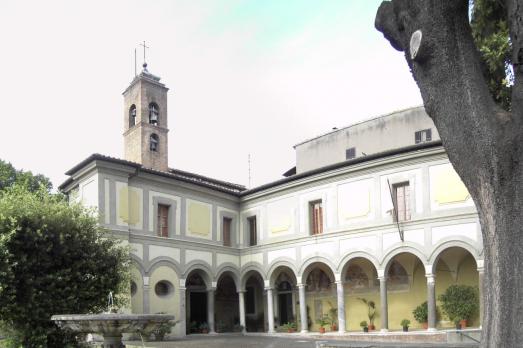
Sant'Onofrio al Gianicolo is a 15th-century convent church complex. The building, with a single nave and two chapels on each side, was completed in the 16th century and contains several paintings and sculptures from the 17th century. The small cloister of the convent is perhaps the oldest part of the complex, it also has a porticoed gallery on the upper floor.

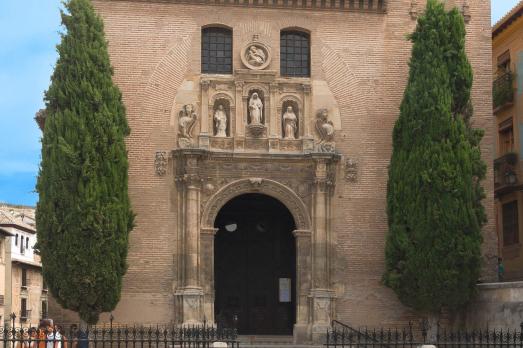
Church of Santa Ana

Church of Santa Ana

Granada, ES

A small, elegant 16th century church, it is one of the city’s most sought after wedding venues for the wealthy middle class of Andalucía. The church was designed by renowned local architect Diego de Siloe, and was built in the Renaissance style.

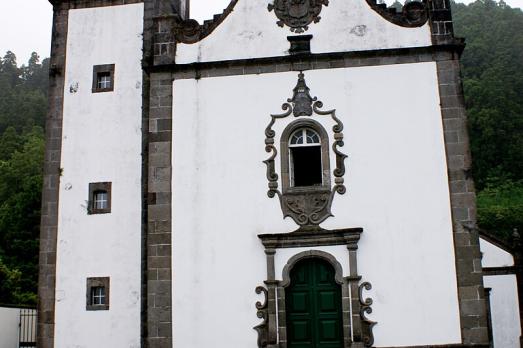
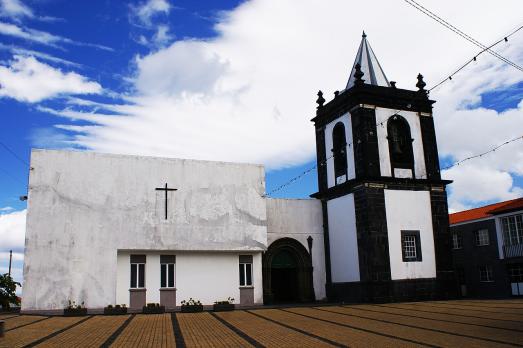
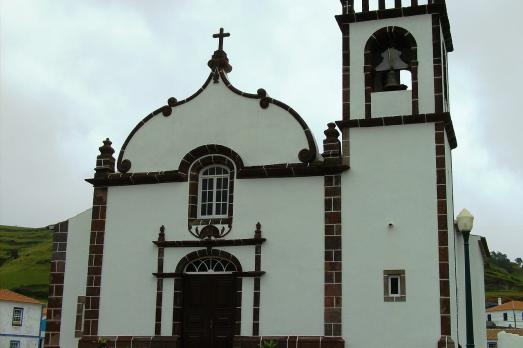
Church of Santa Ana (Furnas)

Church of Santa Ana (Furnas)

Furnas, PT

This temple is among the oldest on the island of São Miguel dedicated to the evocation of Santa Ana, it was built on the site where there was previously a hermitage dedicated to the evocation of Nossa Senhora da Consolação, which was the first temple in Vale das Furnas and which It may have been part of a convent, founded by hermit priests. Both the hermitage and the convent were destroyed by an eruption in 1630.

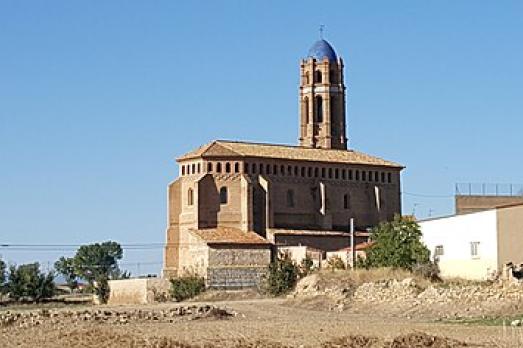
Church of Santa Ana (Mainar)

Church of Santa Ana (Mainar)

Mainar, ES

The church of Santa Ana in Mainar (Province of Zaragoza, Spain) is a church built in the second half of the 16th century by order of Don Hernando de Aragón and constitutes the most complete example of a late Mudejar church of those existing in Aragon.

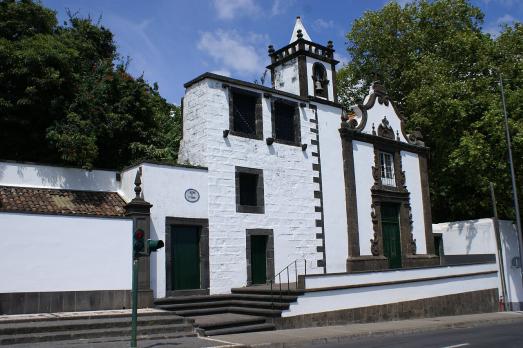
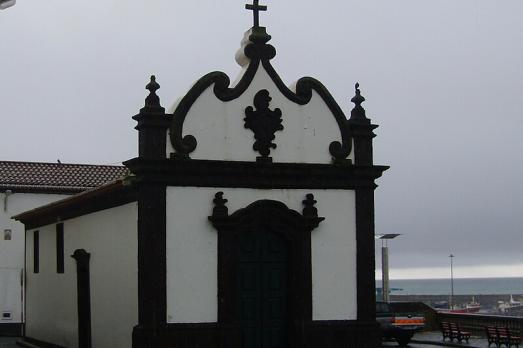
Church of Santa Ana (Ponta Delgada)

Church of Santa Ana (Ponta Delgada)

Ponta Delgada, PT

The hermitage and its retreat were founded at the beginning of the 17th century, both belonging to the graduate António de Frias and his wife, patron saints of the Convents of Santo André and São João, both in Ponta Delgada, relatives of Maria Guilhermina Taveira de Neiva Frias Brum da Silveira, who married José do Canto (1820-1898).

Church of Santa Bárbara (Cedros)

Church of Santa Bárbara (Cedros)

Cedros, PT

According to the historian António Lourenço da Silveira Macedo, this temple must date back to the year 1594. The writer Marcelino de Almeida Lima argues, however, that its foundation must be prior to that year "because Gaspar Frutuoso, who visited Faial, presumably, in the third quarter of the 16th century, it is already mentioned in Saudades da Terra", stating that it is "a church with three naves on five columns with a column on the left side"

Church of Santa Bárbara (Santa Bárbara)

Church of Santa Bárbara (Santa Bárbara)

Santa Barbara, PT

The oldest reference to this temple is found in the will of João Tomé, the "Master", dated March 13, 1537, and it is believed that the chapel was built at that time.[1] According to Gaspar Frutuoso, Bartolomeu Luiz, from São Paulo, was his first curate.

Church of Santa Catarina (Vila Franca do Campo)

Church of Santa Catarina (Vila Franca do Campo)

Vila Franca Do Campo, PT

It is believed that this hermitage dates back to the end of the 15th century, therefore prior to the 1522 earthquake that leveled part of that town. In fact, it is mentioned in the will of Nuno Gonçalves, dated 1504, the first person to be born on the island of São Miguel. Gaspar Frutuoso states that, during that cataclysm, this hermitage remained standing, which is why it was used as a parish at the time, given the damage suffered by the Church of São Miguel Archangel.

Be inspired

Stupkalnis.lt

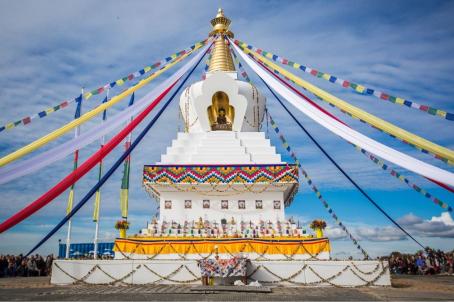
10 Buddhist stupas to discover in Europe

Stupas are symbols of enlightenment and peace that commemorate different stages of Buddha's life. Since the mid-20th century, thousands of stupas have begun to populate Europe. We have compiled some of the most impressive ones in this list.