Explore Religious Heritage Across Europe

Here you can search for a building to visit. You can use the map find destinations, or you can use the filters to search for a building based upon what different criteria.

Refine search

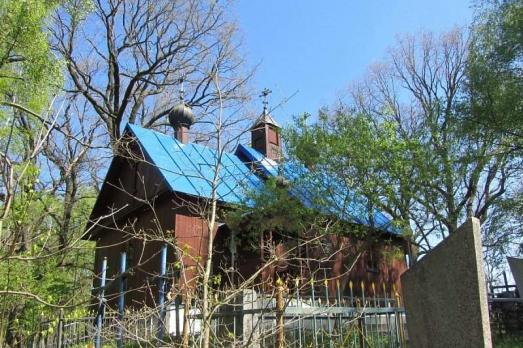
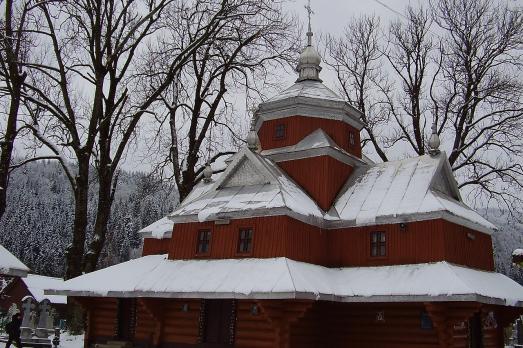
Church of St. John the Merciful

Church of St. John the Merciful

Yaremche, ivano-Frankivsk Oblast, UA

There are many ideas about when this church was built and to who it was dedicated originally. Some people believe that the earliest mention is in 1701, others claim that the church was built in 1766 or that the building was constructed even later, between the 17th or 18th century. Locals like to refer to the church with a story of the Ukrainian Robin Hood: Oleksa Dovbush. He would have come to the church to look at its iconostasis. He then would go to a poor nearby village and raise money to make similar iconostasis in their small village church.
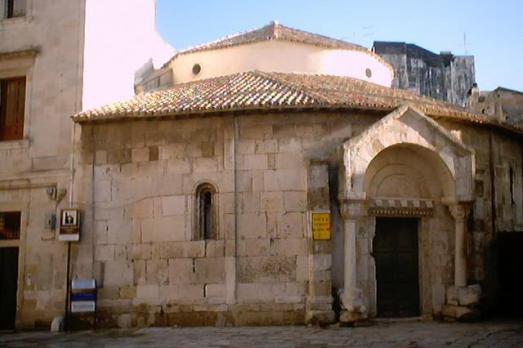
Church of St. John the Sepulchre

Church of St. John the Sepulchre

Brindisi, IT

The Church of St. John the Sepulchre is a Romanesque church from the 11th century. It is a fabulous example of construction from the Norman period, perhaps erected by Bohemond I of Antioch when he was returning from the Crusades as is the local tradition. In 1761 an earthquake destroyed most of the buildings in Brindisi; the Church of St John at the Sepulchre did not collapse but suffered considerable damage, leading to a long deterioration and the loss of 80% of the frescoed surface, until the restoration in the mid-19th century.

Church of St. John the Theologian

Church of St. John the Theologian

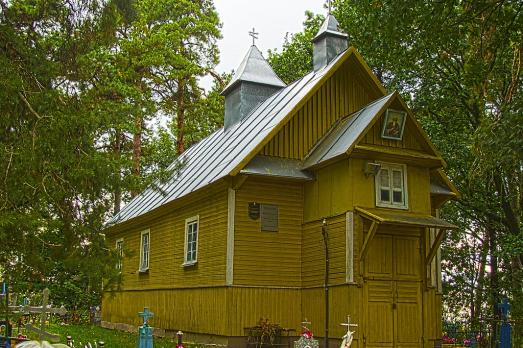
Damashany, BY

The Church of St. John the Theologian is a wooden Orthodox church located in the village of Damashany. The village has had a church since 1507, but the present church is modelled on the renovation of the church at the beginning of the 20th century. The church survived World War II but was destroyed by the Soviet authorities after the war. The restoration of the church began in 1994 and was completed in 1997.

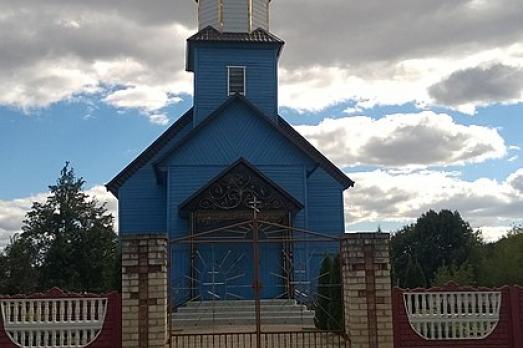
Church of St. John the Theologian

Church of St. John the Theologian

Dembrava, BY

The Church of St. John the Theologian is a wooden Orthodox church built in the 1930s in the village of Zavalki. In 1962 the parish priest died and the church was closed. Until 1991 the building was used by local collective farms as a granary. In 1993 the church was consecrated again.

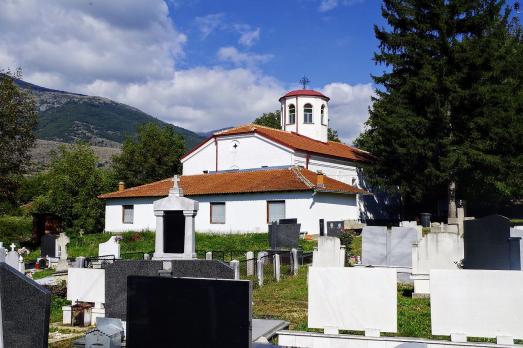
Church of St. John the Theologian

Church of St. John the Theologian

Ljubojno, MK

The church of St. John the Theologian was built in 1861. During the uprising in Ilinden-Preobrazhenie in 1903, it was burnt down, and in 1921 it was rebuilt. The church is built as a three-nave basilica with a dome, the central nave is half-cylinder vaulted, and the side is covered with flat ceilings. There is a gallery inside on the west side, and on the east side, it ends with a polygonal apse on the outside. The temple is made of stone, and the arches and vaults are made of wood.

Church of St. John the Theologian

Church of St. John the Theologian

Semigostichi, BY

The Orthodox Church of St. John the Theologian is an Orthodox church built in 1913 on the site of a former church from the first half of the 19th century. The entrance is decorated with a two-pillar porch under a gable roof.

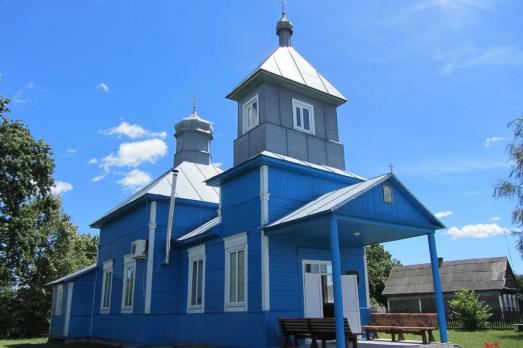
Church of St. John the Theologian

Church of St. John the Theologian

Strigin', BY

The Church of St. John the Theologian is a wooden Orthodox church built in 1817. In front of the church, there is a bell tower with a tented roof. The architecture of the temple is reminiscent of the wooden vernacular architecture of Belarus.

Church of St. John

Church of St. John

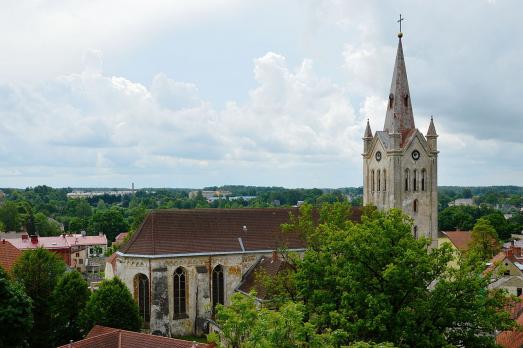
Cēsis, LV

The Church of St. John was built in the 13th century, during the Christianisation of the Baltic States, for the needs of the Order of Livonia. The church became the seat of the International Festival of Young Organists and world-famous choral and organ concerts are held there.

Be inspired

Stupkalnis.lt

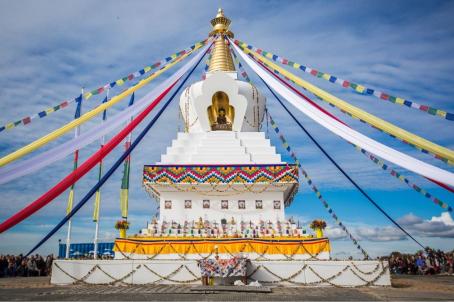
10 Buddhist stupas to discover in Europe

Stupas are symbols of enlightenment and peace that commemorate different stages of Buddha's life. Since the mid-20th century, thousands of stupas have begun to populate Europe. We have compiled some of the most impressive ones in this list.