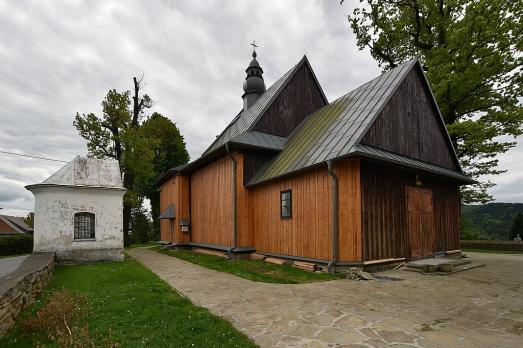
Church of St. Marcin Bishop, Mogilno
Mogilno , PL
Parish Church of St. Martin in Mogilno was erected in 1765, probably using elements of a pre-existing temple, burnt down in the second half of the 17th century.

Here you can search for a building to visit. You can use the map find destinations, or you can use the filters to search for a building based upon what different criteria.
Mogilno , PL
Parish Church of St. Martin in Mogilno was erected in 1765, probably using elements of a pre-existing temple, burnt down in the second half of the 17th century.
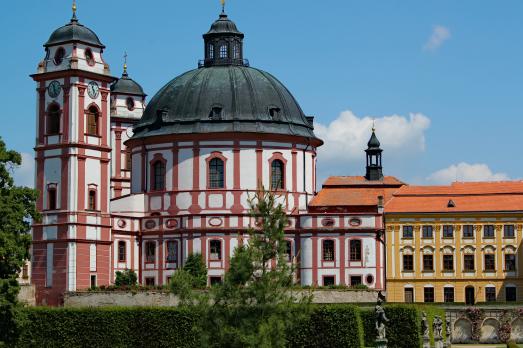
Jaroměřice nad Rokytnou, CZ
The Church of St. Margaret is a baroque church located on the castle's website Jaroměřice. The present building is a reconstruction completed in 1737, the old church having been destroyed by fire in 1631. The identity of the architect of the reconstruction is still the subject of debate among historians. Some attribute the work to Johann Lucas von Hildebrandt, others to Jakub Prandtauer.
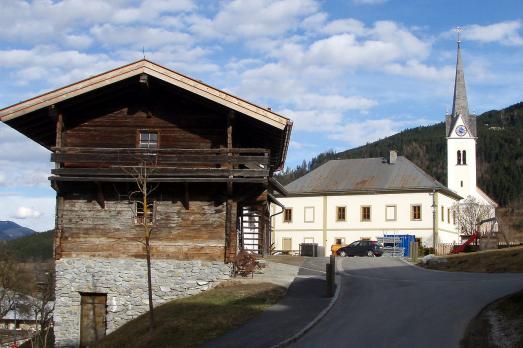
Kaprun, AT
The present church of St. Margaretha is a reconstruction of an old church from 1898. The priest Josef Mangst undertook a complete reconstruction of the church in the historicist taste of the time, more precisely: in a mixed neo-Romanesque and neo-Gothic style. At that time, the tower was equipped with the semicircular windows of the bell tower, the triangular gables of the clock and the pointed helmet.
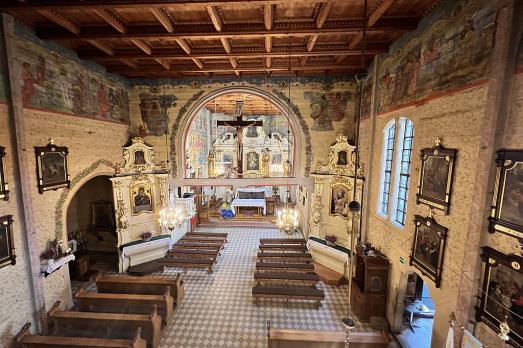
Marcyporęba, PL
Church of St. Marcin in Marcyporęba was built in 1670, originally as a towerless tower (the tower was added in 1976-80).
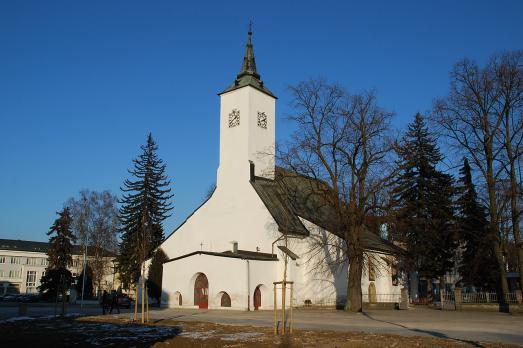
Martin, SK
St. Martin's Church dates from around the 13th century. In the 16th century, during the Reformation, the church was used by the Evangelical Church. After the patrons of the church - the Révai family - converted to Catholicism, the church passed into the hands of the Catholic Church. In the following centuries, the church's confessional affiliation changed several times. It was not until the beginning of the 18th century that the church became permanently Catholic.
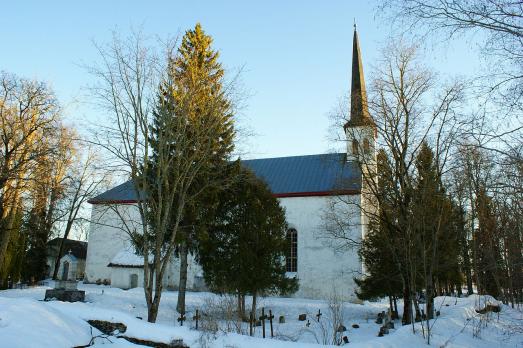
Martna, EE
The church of St. Martin dates back to the 16th century. In July 2005, the restoration of three layers of medieval paintings in the altar room of the church was completed. The church received a new tower bell in August 2011.
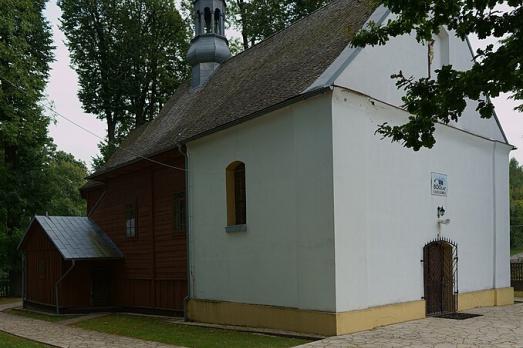
Poręba Dzierżna, PL
Church of st. Martin in Poręba Dzierżna dates from 1766. In 1870, the temple was renovated and expanded - a brick nave was added on the western side.
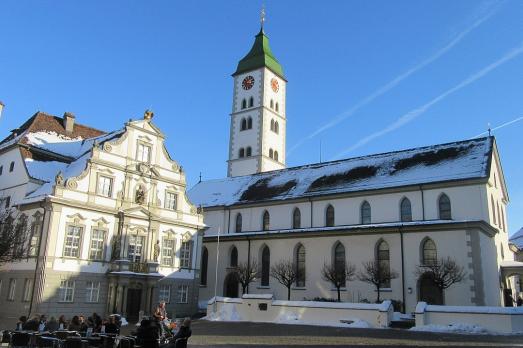
Wangen im Allgäu, DE
The parish church of St. Martin probably dates from the 12th century. The tower and the eastern wall of the nave date from the end of the 12th century and the choir from the beginning of the 13th century, the choir from 1386. The last major reconstruction began at the end of the 14th century and was completed at the end of the 15th century. From 1684 to 1687, Baroque elements were added to the church. After damage caused by a lightning strike, the spire was replaced by an awning in 1739.
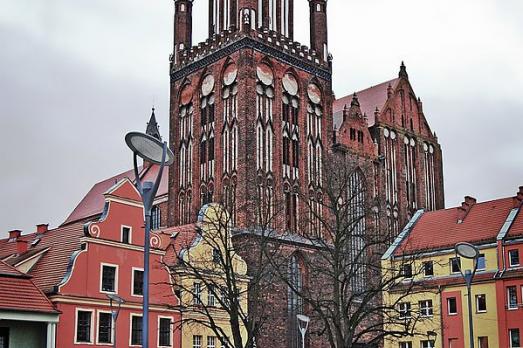
Stargard, PL
The construction of the Church of St. Mary began in 1292, but the present structure was built in the 14th - 15th centuries. The façade is richly decorated with ceramics, the towers were built from around 1380. The north tower must have been completed around 1410. The interior of the church contains wall paintings from the 15th to the 18th century.
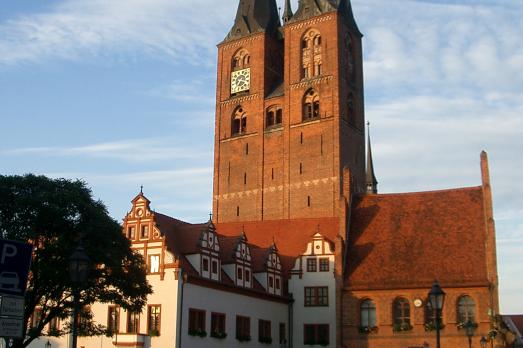
Stendal, DE
The church of St. Mary was first mentioned in 1283 as a Romanesque basilica. At the end of the 14th century, the building was given two towers and from 1420 onwards, a church with three Gothic naves was built in its place. The church has an interesting astronomical clock that was created in the 16th century and has only been functional since 1977.
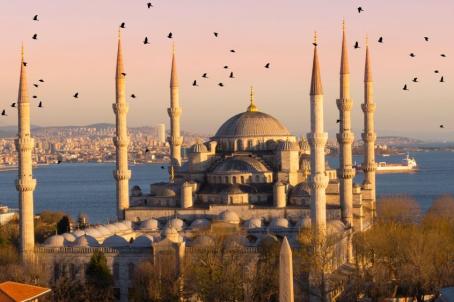
new
For a long time, Europe was ruled by powerful monarchies. Monarchy and religion have been connected since time immemorial. Here are 7 sites across Europe where royalty historically bent the knee to a higher power and received their crown.
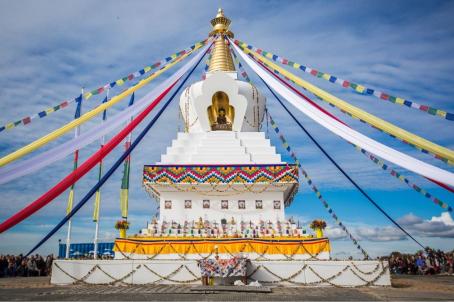
Stupas are symbols of enlightenment and peace that commemorate different stages of Buddha's life. Since the mid-20th century, thousands of stupas have begun to populate Europe. We have compiled some of the most impressive ones in this list.
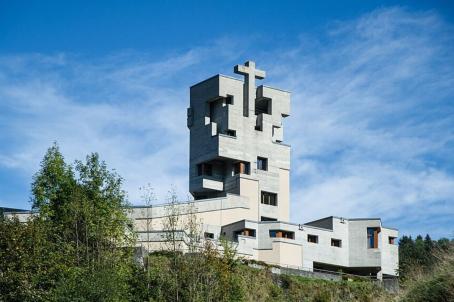
Walter Maria Förderer (1928–2006) was a Swiss architect and sculptor renowned for his neo-expressionist church designs in the 1960s. In this list we have compiled 6 of his church designs that seamlessly integrate religious and secular elements.

How is Religiana helping to conserve and promote Religious Heritage in Europe and why should you get involved?
Find out about Religiana
Are you a tourism organisation or religious heritage sites manager? Discover the advantages of becoming a partner.
See current partners
We can keep you up to date with the latest news from Religiana and religious heritage conservation across Europe.
Sign up to the FRH newsletter