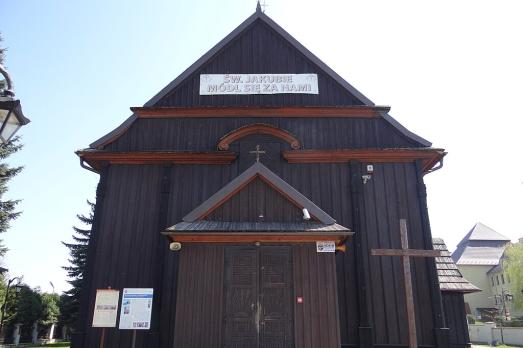
Church of St. James the Apostle, Więcławice Stare
Więcławice Stare , PL
The church of St. James the Apostle in Więcławice dates back to 1340. The most recentreconstruction was performed in the 18th century and in 1757 the church was consecrated.

Here you can search for a building to visit. You can use the map find destinations, or you can use the filters to search for a building based upon what different criteria.
Więcławice Stare , PL
The church of St. James the Apostle in Więcławice dates back to 1340. The most recentreconstruction was performed in the 18th century and in 1757 the church was consecrated.
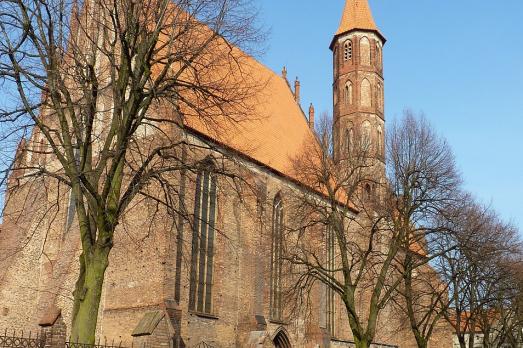
Chełmno, PL
The Church of St. James the Elder and St. Nicholas was built in the 13th and 14th centuries as a Franciscan church. The year 1806 marked the dissolution of the Franciscan order and the conversion of the church into a civil building such as a grammar school in 1859.
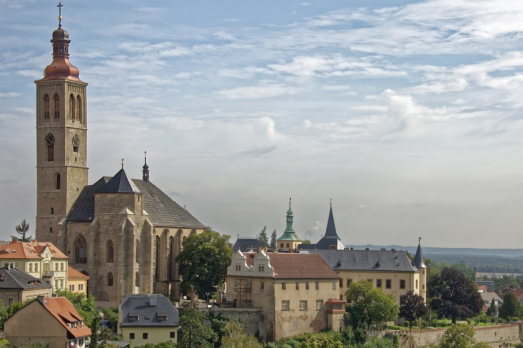
Kutná Hora, CZ
The Church of St. James the Elder is a Gothic church built between the 14th and 15th centuries. Over the years, the church has been repaired and partially rebuilt several times. The roof was repaired in 1650 and after two hundred years, slate was once again chosen for the roof. Frequent repairs were necessary for the north tower, which was struck by lightning on several occasions. The last complete restoration of the church dates back to the 1940s. In 1995, together with other monuments in the historic centre of Kutná Hora, it was included in the UNESCO World Heritage List.
Jihlava, CZ
The parish was founded in the 13th century and since its inception has been administered by priests from the Premonstratensian order, who founded in 1121 Norbert.
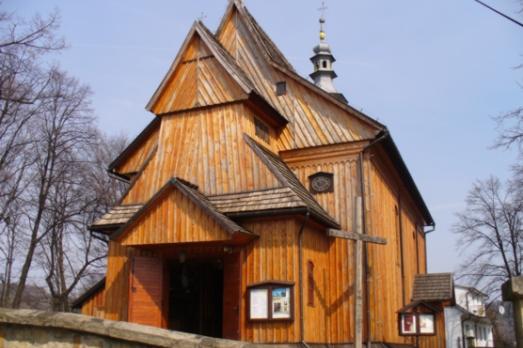
Raciechowice , PL
The parish church of St. James the Elder and Catherine of Alexandria in Raciechowice was built in 1720 on the site of the previous church from the 17th century, from which the presbytery was probably used.
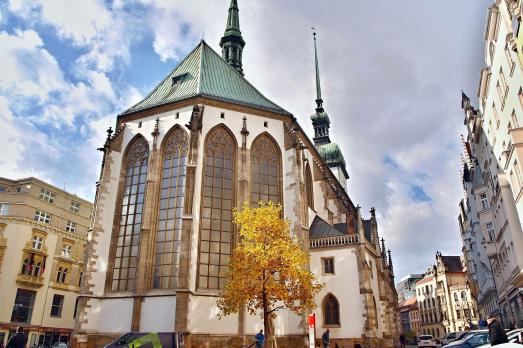
Brno, CZ
The Church of St. James was founded for German and Wallon settlers in the early 13th century. Originally a Romanesque church, it was rebuilt into a Gothic church (14th-16th centuries) and later reorganised in a neo-Gothic style (1870-1878).
Dubnica nad Váhom, SK
The Baroque church of St. James was built in the 18th century on top of an older church first mentioned in 1276. The present church burned down twice: in 1814 and in 1882. The tower was built from the old church and according to the design of F. Tomašek from Dubnica, it was rebuilt after 1816. On 7 July 1944 Dubnica was bombed due to the presence of Skoda factories. The church was damaged but repaired in the 1960s.
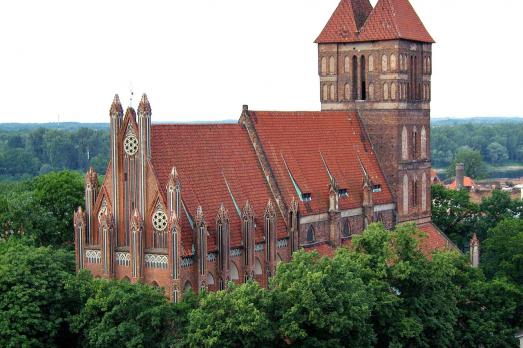
Toruń, PL
The Church of St. James was built from 1309 to the 15th century and is one of the most important examples of the brick architecture of the Baltic Sea basin. Managed by Cistercians and then Benedictines, it became a Protestant church in the years 1557-1667, and only became a Catholic parish church in the 19th century.
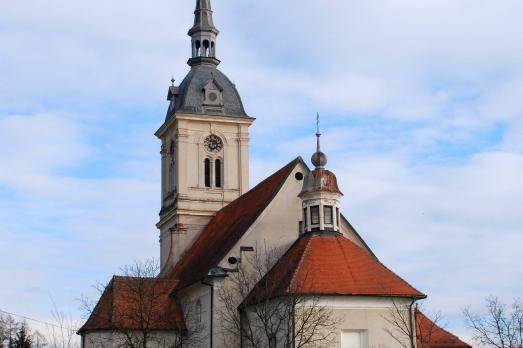
Blatno, SI
The church of St. Jernej was built at the end of the 17th century. The main altar dates from the beginning of the 18th century and is in the style of the so-called golden altars typical of the 17th century. The earthquake of 1917 damaged the church so badly that it was no longer useful for worship. Therefore, in 1922 it was repaired and repainted. It was renovated again in 1990.
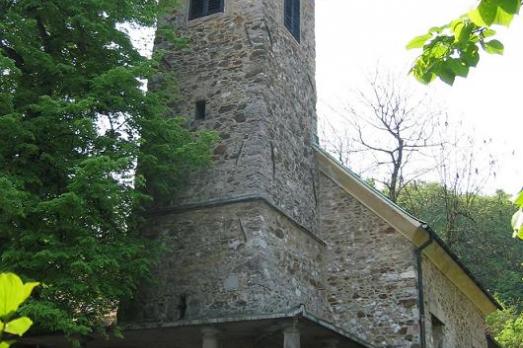
Ljubljana, SI
The church of St. Jernej is mentioned for the first time in documents from the 14th century. On 17th April 1825, the church was severely damaged by a fire, after which it underwent multiple renovations. With the construction of a new church, St. Francis Church, in the 1920s, the church lost its importance because it became too small. Today it is, therefore, an annex church in which Holy Mass is celebrated only once a week. On 30 October 1370, in front of the church, the Habsburgs signed an agreement with the Republic of Venice to return Trieste to Venice in exchange for 75,000 gold coins.
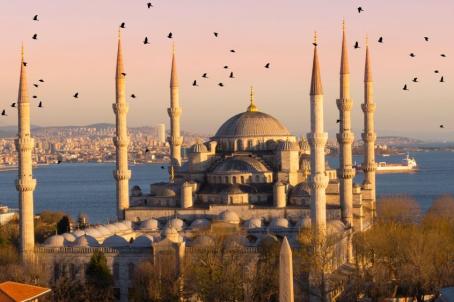
new
For a long time, Europe was ruled by powerful monarchies. Monarchy and religion have been connected since time immemorial. Here are 7 sites across Europe where royalty historically bent the knee to a higher power and received their crown.
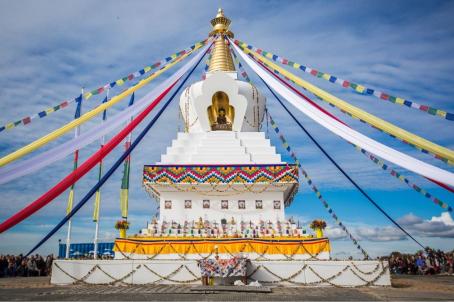
Stupas are symbols of enlightenment and peace that commemorate different stages of Buddha's life. Since the mid-20th century, thousands of stupas have begun to populate Europe. We have compiled some of the most impressive ones in this list.
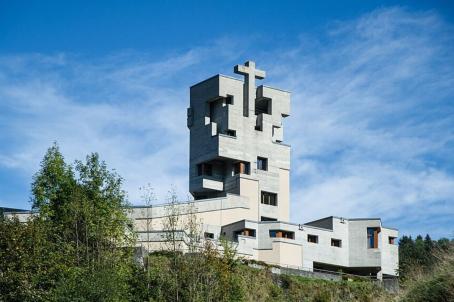
Walter Maria Förderer (1928–2006) was a Swiss architect and sculptor renowned for his neo-expressionist church designs in the 1960s. In this list we have compiled 6 of his church designs that seamlessly integrate religious and secular elements.

How is Religiana helping to conserve and promote Religious Heritage in Europe and why should you get involved?
Find out about Religiana
Are you a tourism organisation or religious heritage sites manager? Discover the advantages of becoming a partner.
See current partners
We can keep you up to date with the latest news from Religiana and religious heritage conservation across Europe.
Sign up to the FRH newsletter