Doopsgezinde Kerk
Sint Annaparochie, NL
Neo-church without tower. New front facade in 1950.

Here you can search for a building to visit. You can use the map find destinations, or you can use the filters to search for a building based upon what different criteria.
Sint Annaparochie, NL
Neo-church without tower. New front facade in 1950.
Joure, NL
In the 16th and 17th centuries, Mennonite believers were tolerated by the local government. The government allowed Mennonite communities to build their own church, but these were not allowed to be on the public road. In practice, this usually meant that a house was built for the church. In Joure there is no longer a house in front of the church hall, but the small square in front of the church is a reminder of the situation in the 17th century. The church building on Midstraat dates from 1824.”
Holwerd, NL
The foundation stone for this Mennonite meeting house was laid on 15 June 1850. The official opening took place on New Year's Day 1851. The building was restored between 1994 and 2000. The interior was restored in 2008. The meeting house that was used before 1850 is located on Koningsstraat . It is now a residential building, but the windows on the side clearly show that it used to be a church. (60-08)
Feanwâlden, NL
In 1895 Bakker & Timmenga built a new organ for the Mennonite Church in Veenwouden. The same firm restored the work in 1981. In June 1981 the organ could be put back into use.
Baarn, NL
Simple hall church without tower. Inaugurated on 19 February 1928.
Dordrecht, NL
Rather inconspicuous, but architecturally interesting, modern church without a tower.
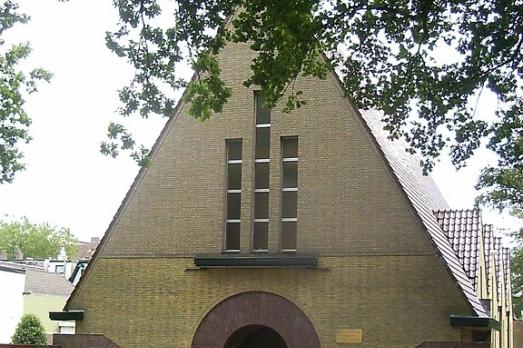
Apeldoorn, NL
Interesting reconstruction building. Built to replace a synagogue from 1890. The synagogue is situated on its own on the south-east side of the Paslaan in the part east of the Kerklaan. Here the building is situated on its own terrain that is separated from the pavement by an associated fence. In the street there are several other (partly) detached objects, mainly dating from the 19th century, next to and opposite the synagogue.
Ouddorp, NL
Relatively large hall church without tower. Replaced an earlier Vermaning on the Weststraat.
Rottevalle, NL
Mennonite Church. Simple hall building according to the facade stone from 1838. Two weather vanes, a ship and a horse.
Buitenpost, NL
Wooden church(let) with roof turret. Converted former farm.
new
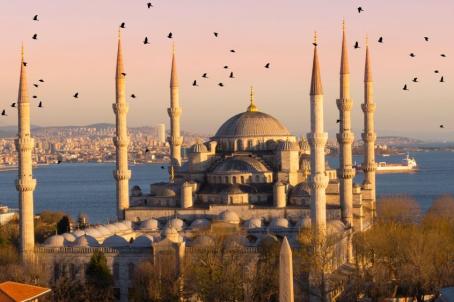
For a long time, Europe was ruled by powerful monarchies. Monarchy and religion have been connected since time immemorial. Here are 7 sites across Europe where royalty historically bent the knee to a higher power and received their crown.
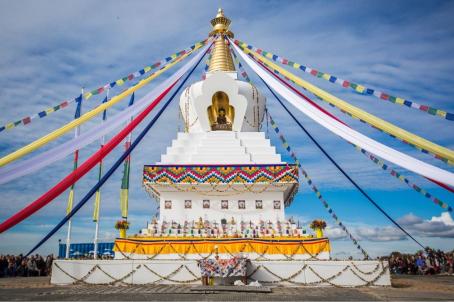
Stupas are symbols of enlightenment and peace that commemorate different stages of Buddha's life. Since the mid-20th century, thousands of stupas have begun to populate Europe. We have compiled some of the most impressive ones in this list.
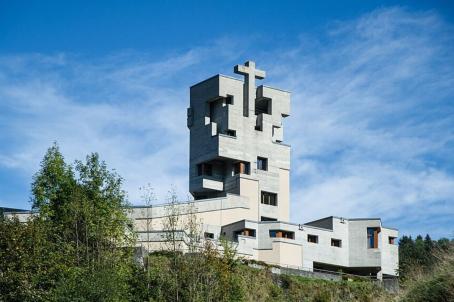
Walter Maria Förderer (1928–2006) was a Swiss architect and sculptor renowned for his neo-expressionist church designs in the 1960s. In this list we have compiled 6 of his church designs that seamlessly integrate religious and secular elements.

How is Religiana helping to conserve and promote Religious Heritage in Europe and why should you get involved?
Find out about Religiana
Are you a tourism organisation or religious heritage sites manager? Discover the advantages of becoming a partner.
See current partners
We can keep you up to date with the latest news from Religiana and religious heritage conservation across Europe.
Sign up to the FRH newsletter