Doopsgezinde Vermaning
De Rijp, NL
Built to replace a church from 1655, which was demolished in 1950.

Here you can search for a building to visit. You can use the map find destinations, or you can use the filters to search for a building based upon what different criteria.
De Rijp, NL
Built to replace a church from 1655, which was demolished in 1950.
Krommenie, NL
Beautiful wooden Vermaning without tower. This Mennonite church was built in 1703 to replace an older Vermaanhuys that was lost in a fire on 22 July 1702. Due to the great sacrifice of surrounding Mennonite communities, the new building was consecrated on 17 May 1703. The Vermaning, built by master carpenter Claes Gerritz. Underwater, Inverdan stands : The government prohibited Mennonites from building churches that were recognisable from the road. A major restoration took place from 1959 to 1963. From ? to 1971 it was also temporarily used by the Reformed Church (Liberated).
Oost-Graftdijk, NL
Small hall church in neo-Romanesque style, with plastered facade. The church building is for sale in 2024. This church is listed as a National Monument of the Netherlands.
Middelstum, NL
Mennonite Church. Simple three-sided closed hall church with a tower above the front facade, built in 1863. The church contains a cabinet organ built by D. Onderhorst (Amsterdam) around 1860 with pipes and a wind chest by J. Duyschot from around 1700. The organ was previously in Huizinge and was placed in this church in 1863. This church is listed as a National Monument of the Netherlands.
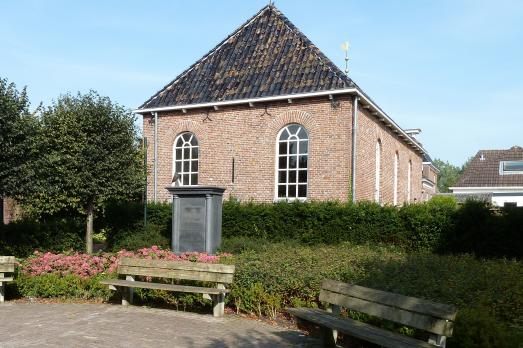
Grijpskerk, NL
As the ministers of the Mennonite congregation in Pieterzijl preferred to live in Grijpskerk, in 1890 a presbytery was built on the Herestraat in Grijpskerk.
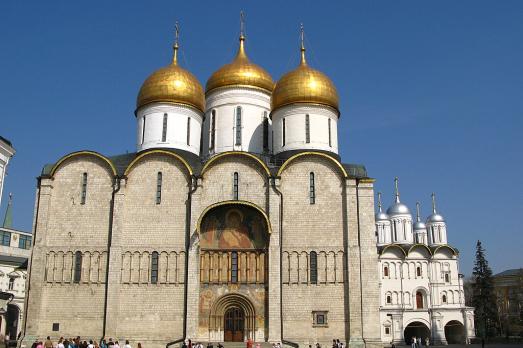
Moscow, RU
The Dormition Cathedral (Uspensky Sobor) in the Moscow Kremlin is the main Russian Orthodox church, serving as the coronation site for Russian monarchs, the burial place for patriarchs, and a major historical and spiritual centre. It is known for its iconic Russian Orthodox architecture and religious significance as the "mother church" of Muscovite Russia, housing significant icons and art.
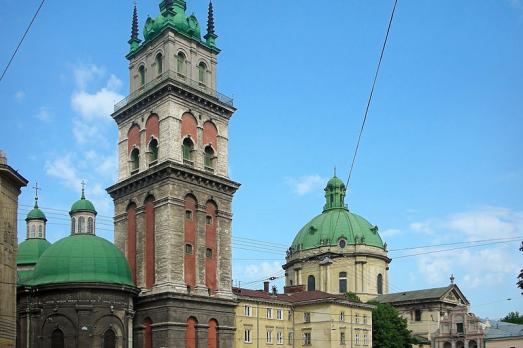
L'viv, UA
The complex of the Church of the Assumption or Dormition, built in the 16th and 17th centuries, is a Renaissance church, which today is part of the Ukrainian Autocephalous Orthodox Church. The structure of the building is supported by columns in the Italian Renaissance style. The walls are separated by pilasters with window arches and bas-reliefs. The interior is decorated with paintings from the 17th and 18th centuries and an iconostasis from 1773.
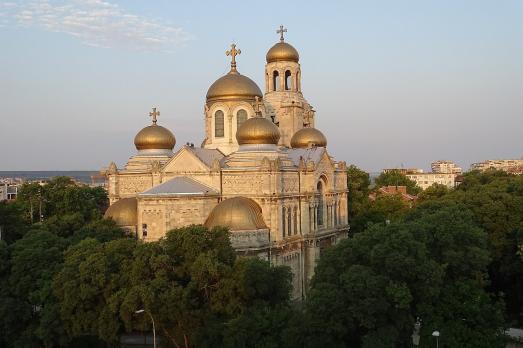
Varna, BG
The "Holy Assumption", built in 1882 - 1886, is the Cathedral of Varna and one of its symbols. Its construction was undertaken by both Bulgarians and Russians after the Russo-Turkish War of 1877-1878.
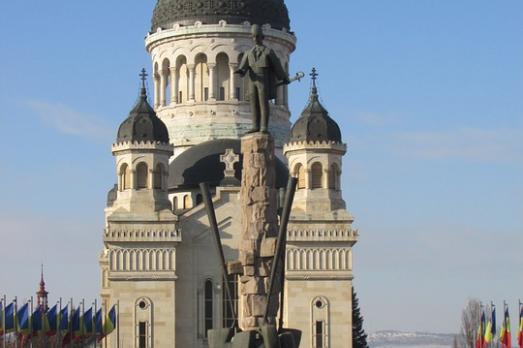
Cluj-Napoca, RO
The Orthodox Cathedral of Cluj-Napoca was built between 1920 and 1930, immediately after the union between Transylvania and Romania. The Brâncovenesc style building is classified as a historical monument.
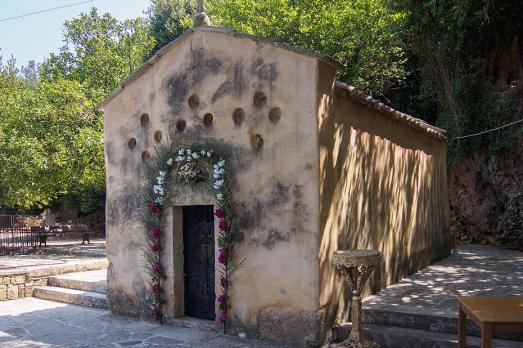
Kryonerida, GR
The church of the Dormition of the Theotokos (Panagia Sourouthiani) is a 13th-century Orthodox church. The interior preserves frescoes from 1316. The exterior is decorated with incrustated ceramics called Pinakia.
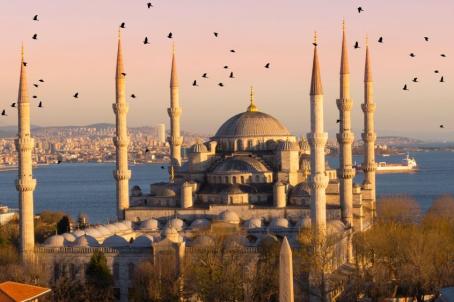
new
For a long time, Europe was ruled by powerful monarchies. Monarchy and religion have been connected since time immemorial. Here are 7 sites across Europe where royalty historically bent the knee to a higher power and received their crown.
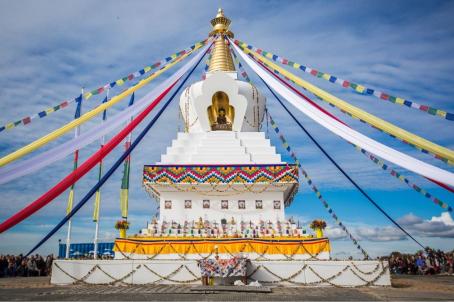
Stupas are symbols of enlightenment and peace that commemorate different stages of Buddha's life. Since the mid-20th century, thousands of stupas have begun to populate Europe. We have compiled some of the most impressive ones in this list.
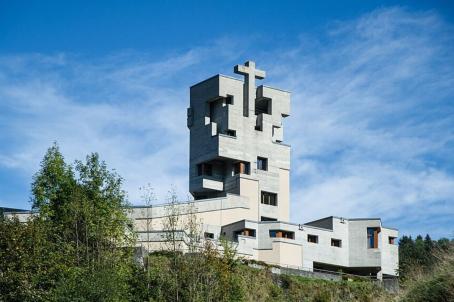
Walter Maria Förderer (1928–2006) was a Swiss architect and sculptor renowned for his neo-expressionist church designs in the 1960s. In this list we have compiled 6 of his church designs that seamlessly integrate religious and secular elements.

How is Religiana helping to conserve and promote Religious Heritage in Europe and why should you get involved?
Find out about Religiana
Are you a tourism organisation or religious heritage sites manager? Discover the advantages of becoming a partner.
See current partners
We can keep you up to date with the latest news from Religiana and religious heritage conservation across Europe.
Sign up to the FRH newsletter