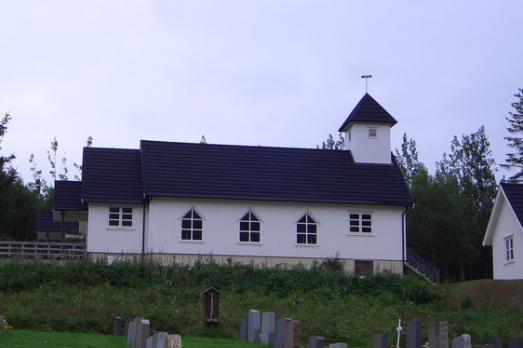
Drag/Helland Church
Drag, NO
Drag / Helland church is a wooden church built in 1972. The architect of the church is Åge Iversen.

Here you can search for a building to visit. You can use the map find destinations, or you can use the filters to search for a building based upon what different criteria.
Drag, NO
Drag / Helland church is a wooden church built in 1972. The architect of the church is Åge Iversen.
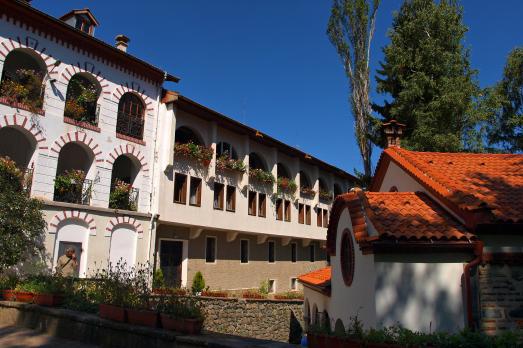
Sofia, BG
It is an Orthodox Monastery close to Bulgaria's capital Sofia. It was built on the slopes of the Vitosha mountain, known by Bulgarians as Sofia's Holy Mountain.
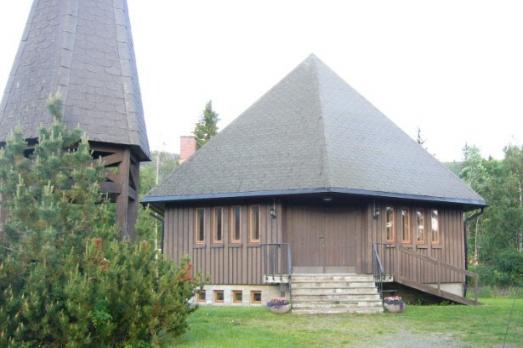
Høylandet, NO
Drageid church in Høylandet is a wooden church from 1976. The architect of the church is A.Aursand.
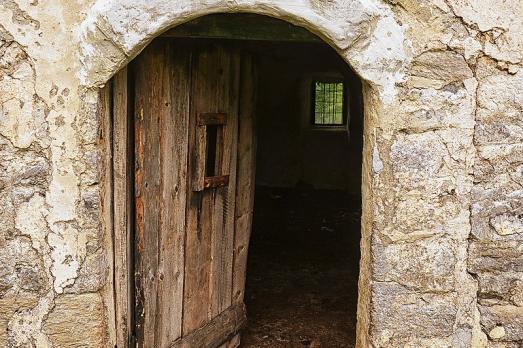
Margegaj, AL
This small mosque is of a special style for mountainous areas. It appeared in some movie scenes.
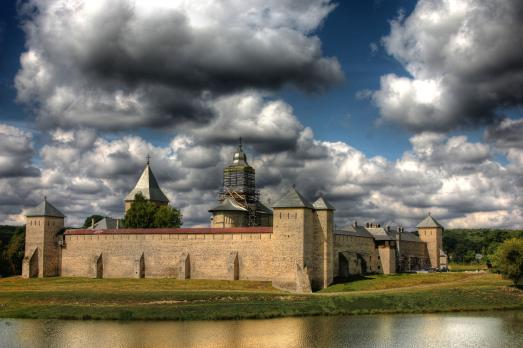
Dragomirna, RO
Dragomirna Monastery is a fortified monastic complex in Romania, built between 1602-1609. The church of the "Descent of the Holy Spirit", within the monastery, has valuable frescoes.
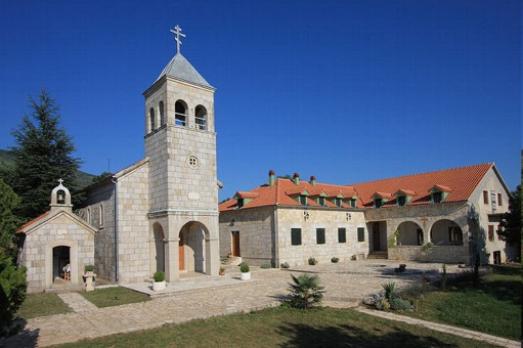
Koljane, HR
Dragovic Monastery is an Orthodox monastery founded by a group of Serbian monks dating back to the 13th century. The monastery has changed location several times during its history, finally ending up on a hill next to the lake Peruca.
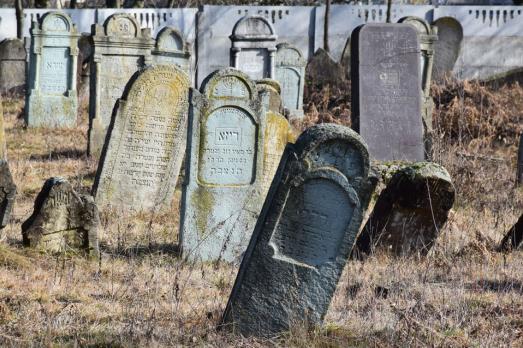
Drahovo, UA
The Jewish cemetery in Drahovo was first marked on a cadastral map of 1865. Presumably, it was established in the early 19th century, as the oldest found gravestone dates to 1815. The fence was installed by ESJF in September 2015.
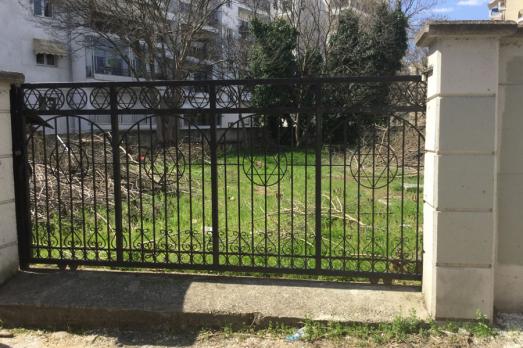
Drama, GR
The exact period of the cemetery’s establishment is unknown, but it can be assumed that it was founded in the 12th century. It preserves 70 gravestones dating from 1885 to 1935.
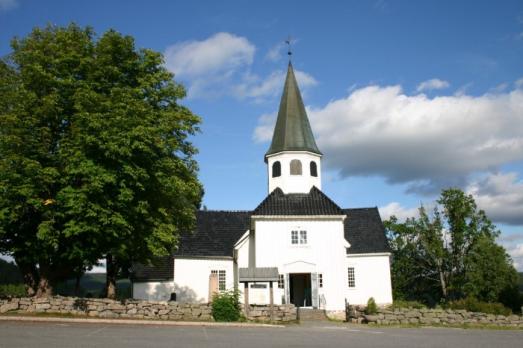
Drangedal, NO
The Drangedal church was consecrated in 1775 after the previous church on the site had fallen into ruin and become too small. The church was built of wood with a T-shaped plan and was named the Church of Emmanuel. In 1839-42, a choir was built to the east, so that the church took the shape of a cross. At the same time, it was panelled on the outside and inside.
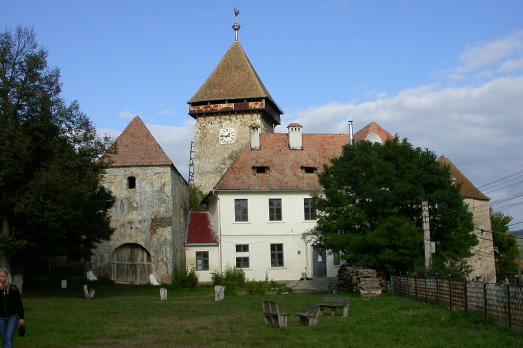
Drăușeni, RO
The Romanesque basilica with buttresses, western tower and chancel with apse was finished in the mid-13th century, thus replacing the former 12th century church. In the fortification phase of 1494 defence levels were built on the tower, nave and chancel. The chancel’s walls were strengthened and heightened up to the nave’s eaves and the side aisles were demolished. In the same period an 8m high defence wall with 5 bastions was erected and it is still preserved today. The Romanesque western portal is decorated with some of the most valuable stone carvings in Transylvania. From the Romanesque construction time the twin blind-arcades, today functioning as windows, are still preserved as well as the walled up round clerestory windows. Ample restoration works have been carried out for several years now and have revealed frescoes on large areas. The valuable 1638 furniture was initially stored away because of the restoration works, but was later moved to a different church for safety reasons.
new
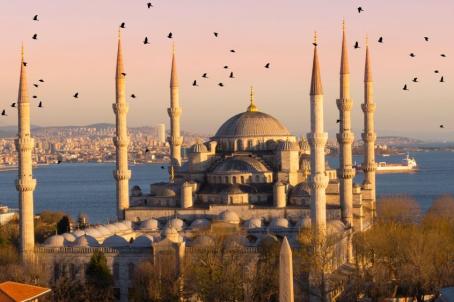
For a long time, Europe was ruled by powerful monarchies. Monarchy and religion have been connected since time immemorial. Here are 7 sites across Europe where royalty historically bent the knee to a higher power and received their crown.
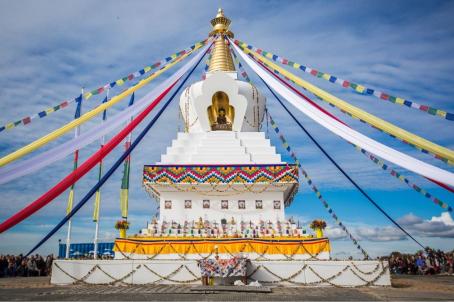
Stupas are symbols of enlightenment and peace that commemorate different stages of Buddha's life. Since the mid-20th century, thousands of stupas have begun to populate Europe. We have compiled some of the most impressive ones in this list.
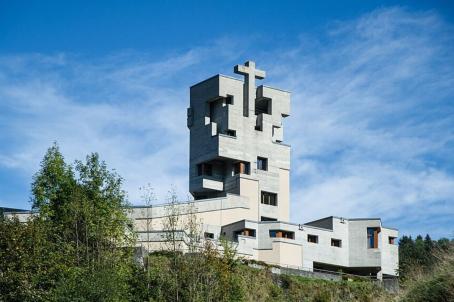
Walter Maria Förderer (1928–2006) was a Swiss architect and sculptor renowned for his neo-expressionist church designs in the 1960s. In this list we have compiled 6 of his church designs that seamlessly integrate religious and secular elements.

How is Religiana helping to conserve and promote Religious Heritage in Europe and why should you get involved?
Find out about Religiana
Are you a tourism organisation or religious heritage sites manager? Discover the advantages of becoming a partner.
See current partners
We can keep you up to date with the latest news from Religiana and religious heritage conservation across Europe.
Sign up to the FRH newsletter