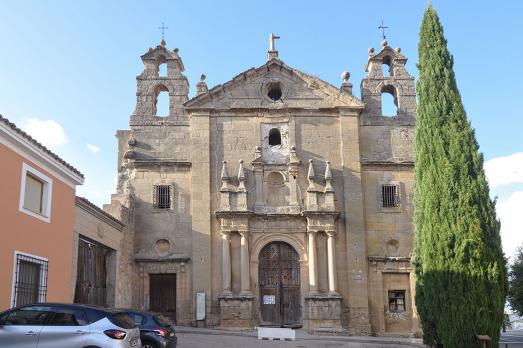
Convent of Santo Domingo de Huete
Huete, ES
The female monastery of Santo Domingo de Huete was founded around 1393.

Here you can search for a building to visit. You can use the map find destinations, or you can use the filters to search for a building based upon what different criteria.
Huete, ES
The female monastery of Santo Domingo de Huete was founded around 1393.
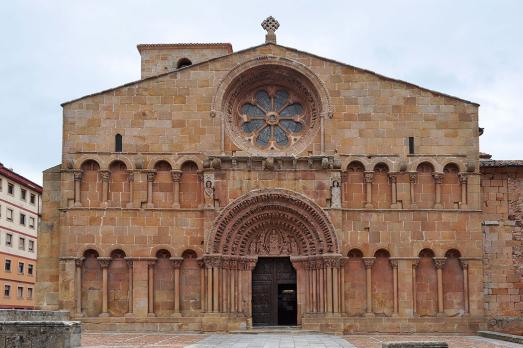
Soria, ES
The Monastery of the Poor Clares of Soria (currently the Convent of Santo Domingo de Soria) is a medieval complex built in the 15th century, although its church dates from an earlier period. One of the highlights of this compelx is its church, which is renowned for its façade decorated with a complex iconographic programme and in a relatively good state of conservation.
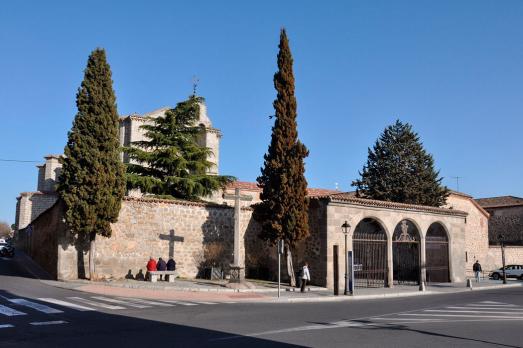
Ávila, ES
The Dominican convent of Santo Tomás de Ávila was founded on the initiative of the nobleman Fernán Núñez Arnalte in the 14th century. It is known that the Catholic Monarchs contributed financially to its construction. Part of the monastery now houses the Oriental Art and Natural Science Museums.
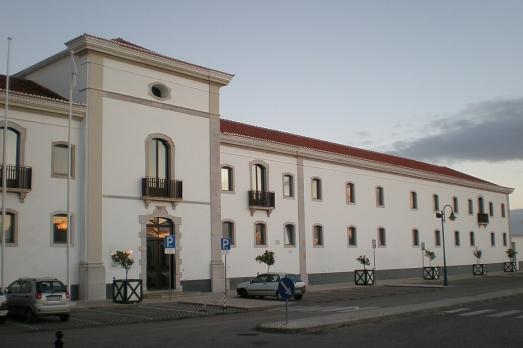
Faro, PT
.
Moura, PT
.
Portel, PT
.
Lisbon, PT
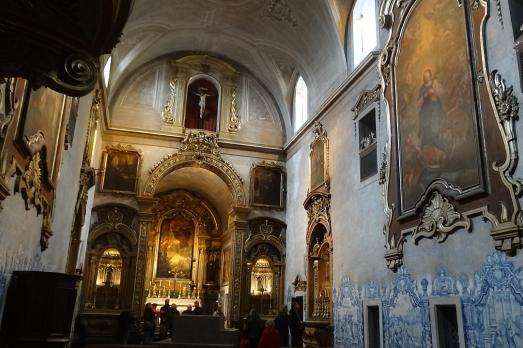
The Convent of São Pedro de Alcântara was built in the 17th century and houses religious paintings, tiled panels and gilded woodwork.
Badajoz, ES
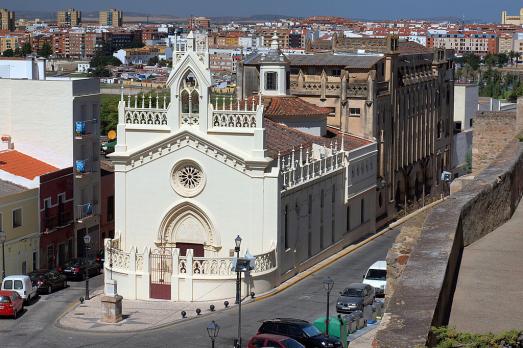
The Convent of St. Joseph, also known as the Convent of the Adorers, is a women's convent built in 1917 on the ruins of a hermitage dedicated to St. Joseph, dating from the 13th century. At the beginning of the 19th century, during the Peninsular War (1807-1814), the building was bombed and was practically abandoned until it was rebuilt in 1917.
Rostock, DE
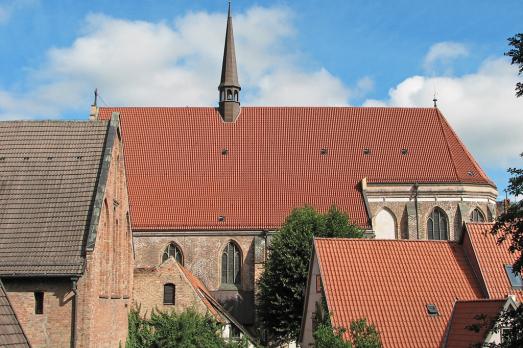
The Convent of the Holy Cross is a former Cistercian convent founded in 1270. It was built in several phases in the 14th and 15th centuries. Since the 1980s it has been used as a cultural history museum.
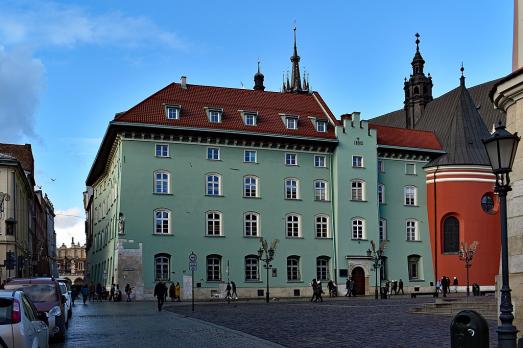
Krakow, PL
The convent of the Jesuits was built between the 16th and 17th centuries. Following the dissolution of the order at the end of the 18th century, the complex served as a hospital, a high school and a dormitory. It was rebuilt at the beginning of the 20th century.
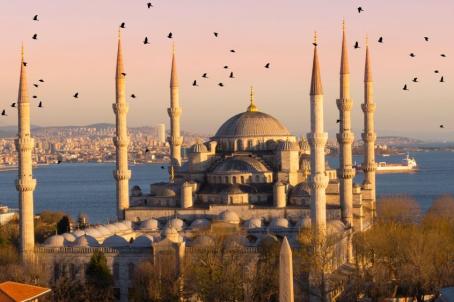
new
For a long time, Europe was ruled by powerful monarchies. Monarchy and religion have been connected since time immemorial. Here are 7 sites across Europe where royalty historically bent the knee to a higher power and received their crown.
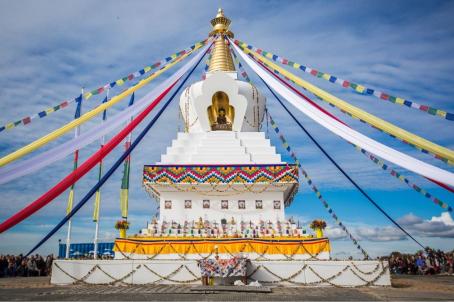
Stupas are symbols of enlightenment and peace that commemorate different stages of Buddha's life. Since the mid-20th century, thousands of stupas have begun to populate Europe. We have compiled some of the most impressive ones in this list.
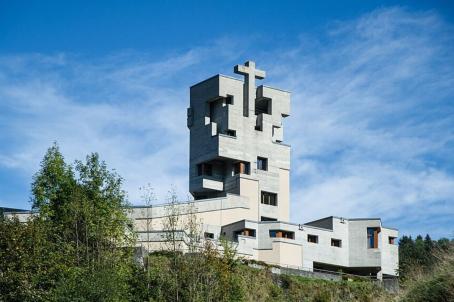
Walter Maria Förderer (1928–2006) was a Swiss architect and sculptor renowned for his neo-expressionist church designs in the 1960s. In this list we have compiled 6 of his church designs that seamlessly integrate religious and secular elements.

How is Religiana helping to conserve and promote Religious Heritage in Europe and why should you get involved?
Find out about Religiana
Are you a tourism organisation or religious heritage sites manager? Discover the advantages of becoming a partner.
See current partners
We can keep you up to date with the latest news from Religiana and religious heritage conservation across Europe.
Sign up to the FRH newsletter