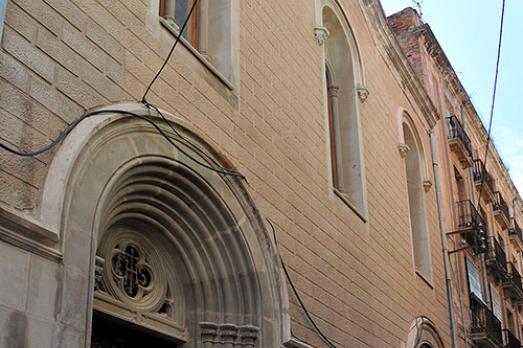
Convent of the Mercè of Tortosa
Tortosa, ES
The exact date of arrival of the Mercedarians in Tortosa is unknown, but it was probably between 1239 and 1244.

Here you can search for a building to visit. You can use the map find destinations, or you can use the filters to search for a building based upon what different criteria.
Tortosa, ES
The exact date of arrival of the Mercedarians in Tortosa is unknown, but it was probably between 1239 and 1244.
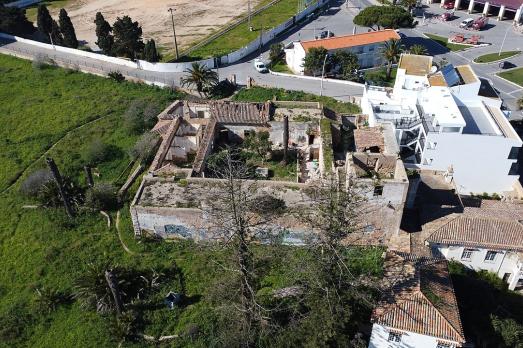
Lagos, PT
The Convent of the Trinity (Convento da Trindade) was a monastery completed in 1606. The complex was destroyed during the earthquake of 1755. It was transformed into a military hospital in the 19th century. In the 20th century, the monastery was abandoned and is now in ruins.
Caltagirone, IT
The foundations of the first monastery date back to 1550 and were built in the Semini district. However, the brothers had to leave it immediately. In 1866, when the monastery was abolished, the friars were forced to leave the monastery and the church, which was not reopened until 14 November 1955.
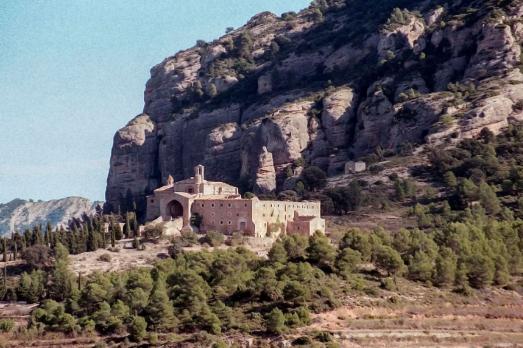
Horta de Sant Joan, ES
The Convento de la Mare de Déu dels Àngels, in Horta, has its origins in a chapel from the Templar period where a priory was maintained, then the place passed into the hands of the Hospitallers and later it was occupied by the Franciscans. The parish church of Sant Joan, in the centre of the town and rebuilt between the 13th and 14th centuries, is also of Templar origin; it has a single nave and an apse that characterises the town. Also worth mentioning is the tower of the Prior (or Galindo), located away from the town, near the convent of Des Àngels.
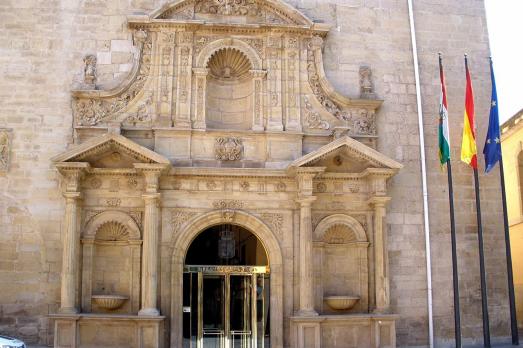
Logroño, ES
The Convent of La Merced is an old convent which, after successive uses and renovations, now serves as the autonomous parliament of La Rioja. The building dates back to the 13th century when it was erected as a monastery for the Order of Merced in the city. In the 16th century, the medieval base was completely renovated to its current appearance. Later, in 1685, a Baroque-style façade was added. Secularised after the disarmament of 1835, it was used for the rest of the 19th century successively as a barracks, a military hospital, warehouses and a prison until 1889 when a tobacco factory was installed. For this last use, the original building underwent major transformations. In 1978, it passed into the hands of the Logroño City Council.
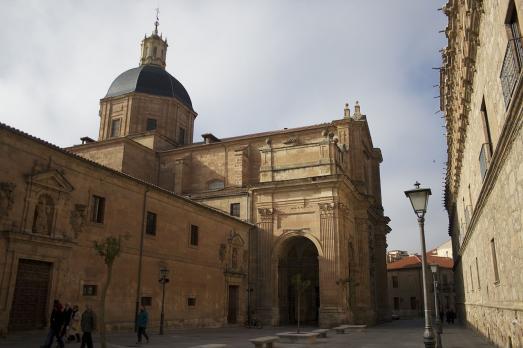
Salamanca, ES
The convent of Agustinas and the church of La Purísima form a complex of cloistered convent declared national monument in 1935. The foundation of the convent dates from the 17th century.
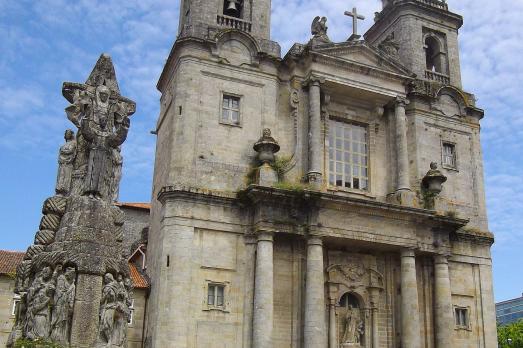
Santiago de Compostela, ES
San Francisco del Valle de Dios is a Franciscan monastery founded in the early 13th century. The original monastery collapsed in the early 18th century, leaving only the five-pointed arches of the main cloister and the tomb of Cotolai. The reconstruction, which required a change in the orientation of the monastery church, began in 1742, according to the plans of Simón Rodríguez. This led to the construction of the church's façade, designed (in Baroque style) by Fray Manuel Caeiro.
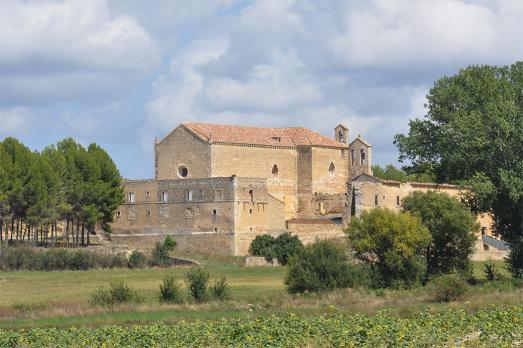
Carboneras de Guadazaón, ES
North of the inhabited centre of Carboneras de Guadazaón are the remains of the Dominican convent of Santa Cruz, the church being the best-preserved part. This monastery was founded in 1500 by the Marquises of Moya, Andrés de Cabrera and Beatriz de Bobadilla, where they made their family pantheon. The founder's brother, Archdeacon of Toledo, took part in the initiative. It remained active until the disentailment.
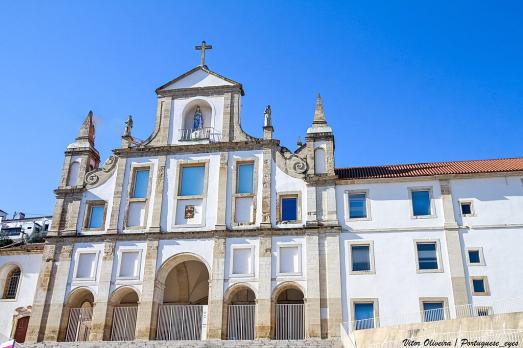
Coimbra, PT
The Convento de São Francisco is a former 17th century monastery reconverted into the Coimbra Culture and Congress Centre.
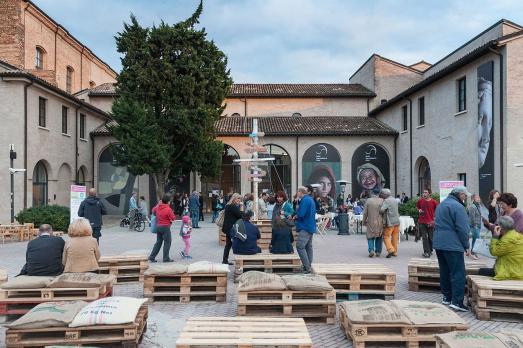
Forlì, IT
The convent of San Domenico dates back to the 13th century. The refectory of the Dominican convent has 16th-century frescoes attributed to Girolamo Ugolini. The convent now houses the museum of San Domenico as well as an auditorium.
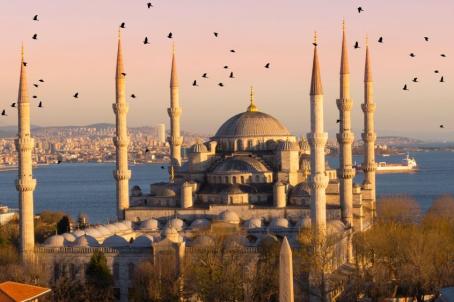
new
For a long time, Europe was ruled by powerful monarchies. Monarchy and religion have been connected since time immemorial. Here are 7 sites across Europe where royalty historically bent the knee to a higher power and received their crown.
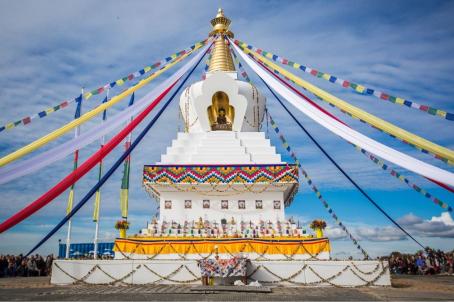
Stupas are symbols of enlightenment and peace that commemorate different stages of Buddha's life. Since the mid-20th century, thousands of stupas have begun to populate Europe. We have compiled some of the most impressive ones in this list.
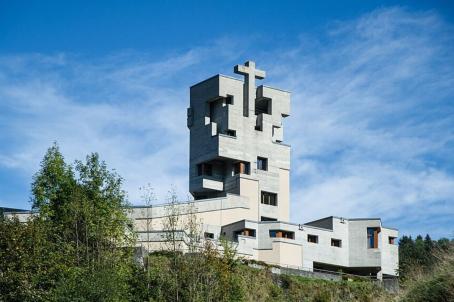
Walter Maria Förderer (1928–2006) was a Swiss architect and sculptor renowned for his neo-expressionist church designs in the 1960s. In this list we have compiled 6 of his church designs that seamlessly integrate religious and secular elements.

How is Religiana helping to conserve and promote Religious Heritage in Europe and why should you get involved?
Find out about Religiana
Are you a tourism organisation or religious heritage sites manager? Discover the advantages of becoming a partner.
See current partners
We can keep you up to date with the latest news from Religiana and religious heritage conservation across Europe.
Sign up to the FRH newsletter