Protestantse Kerk
Lent, NL
Tower of the Reformed Church because of a bell frame with a bell by M. Fremy, 1683, diam. 73 cm.

Here you can search for a building to visit. You can use the map find destinations, or you can use the filters to search for a building based upon what different criteria.
Lent, NL
Tower of the Reformed Church because of a bell frame with a bell by M. Fremy, 1683, diam. 73 cm.
Schelluinen, NL
Charming little neo-Gothic church with tower.
Nieuwpoort, NL
Dutch Reformed Church. Three-aisled PSEUDOBASILIC (16th century) with five-sided closed choir and narrow ambulatory. The three naves and the ambulatory under a high roof. Major renovations in 1774, when, among other things, the tower was demolished and replaced by a new west facade, above which an open dome tower. The church was restored in 1842-1843. Slender columns inside; a wooden barrel vault with tie beams over the tall central nave and half barrel vaults over the side aisles and ambulatory. Good inventory: pulpit in Lod. XVI-like forms (1842); baptismal fence (17th century B) with precentor's lectern (18th century A); beautifully carved lord's pew (1652); three copper crowns (18th century?); grave board (1679); several tombstones (17th-18th century). Bell tower with clock by H. Meurs, 1605, diam. 67.3 cm.
Sirjansland, NL
In 1956, a new Mennonite Church was built in Amsterdam-Slotermeer at Arthur van Schendelstraat 17. The building was designed by Karel Sijmons. In 1957, Willem van Leeuwen installed a new organ in this church with two keyboards and sixteen registers. In 1969, the church building was sold to the Reformed Church Slotervaart/Osdorp, who took over the building including the organ. It was then named De Olijftak. In 1993, the church was closed for worship. The organ was sold to the Reformed Church in Sirjansland in 1996. De Olijftak has been in use as a Moroccan mosque since 2000. The organ was moved to Sirjansland by the firm Pels & Van Leeuwen. The organ was put into use on 11 February 1996. The organ was not changed during the move. However, the front was decorated with several wooden ornaments.
Kaag, NL
Dutch Reformed Church from 1873. The inventory includes: a copper lectern on the pulpit and a precentor's lectern; a copper baptismal font holder and two copper candle holders, all dating from the 18th century.
Doeveren, NL
Built in 1950. Facades and materials: post-war church made of hand-moulded bricks, situated on an artificial hill, with a small cemetery with graves, including JH Boll (1924).

Angeren, NL
Small reconstruction church, built to replace a church destroyed during the war.
Barchem, NL
The church was built in 1860 (see the facade stone in the left side wall). Since then, the front facade has not been changed, but the windows in the side walls, which illuminate the service rooms, have. These were renewed in the 1930s, but the old situation can still be recognized. The two diagonally placed closing sides also have renewed windows that were probably installed in the 1930s. The interior will have been renovated in the same period. The current wooden vault shows the characteristics of that period (1930s character). What the original vault looked like can no longer be determined.
Egmond-Binnen, NL
On the site of the old abbey church. Built as a Dutch Reformed church. Small church with a tower.
Callantsoog, NL
Beautifully situated church with tower from 1671. Expanded several times. Especially from the churchyard clearly visible.
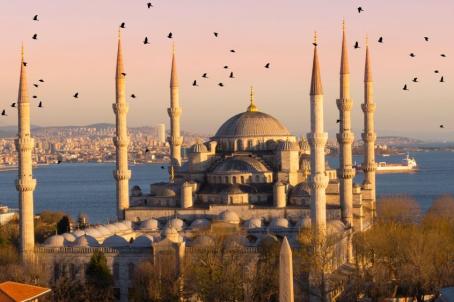
new
For a long time, Europe was ruled by powerful monarchies. Monarchy and religion have been connected since time immemorial. Here are 7 sites across Europe where royalty historically bent the knee to a higher power and received their crown.
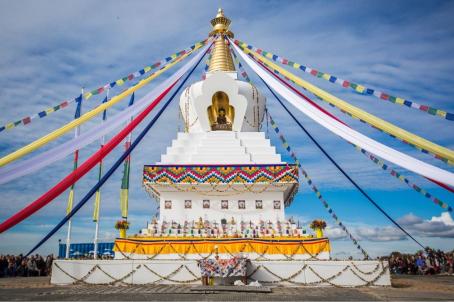
Stupas are symbols of enlightenment and peace that commemorate different stages of Buddha's life. Since the mid-20th century, thousands of stupas have begun to populate Europe. We have compiled some of the most impressive ones in this list.
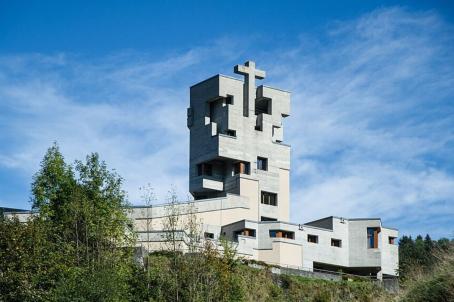
Walter Maria Förderer (1928–2006) was a Swiss architect and sculptor renowned for his neo-expressionist church designs in the 1960s. In this list we have compiled 6 of his church designs that seamlessly integrate religious and secular elements.

How is Religiana helping to conserve and promote Religious Heritage in Europe and why should you get involved?
Find out about Religiana
Are you a tourism organisation or religious heritage sites manager? Discover the advantages of becoming a partner.
See current partners
We can keep you up to date with the latest news from Religiana and religious heritage conservation across Europe.
Sign up to the FRH newsletter