Protestantse Kerk
Meerssen, NL
Protestant church in Meerssen.

Here you can search for a building to visit. You can use the map find destinations, or you can use the filters to search for a building based upon what different criteria.
Meerssen, NL
Protestant church in Meerssen.
Nieuwenhoorn, NL
Historic village church with tower. Nieuwenhoorn is a small village north of Hellevoetsluis. This church is listed as a National Monument of the Netherlands.
Noorden, NL
Hall church from around 1825 with pointed arch windows and an octagonal wooden bell tower. It has a neo-classical entrance. This church is listed as a National Monument of the Netherlands.
Doeveren, NL
Built in 1950. Facades and materials: post-war church made of hand-moulded bricks, situated on an artificial hill, with a small cemetery with graves, including JH Boll (1924).
Menaldum, NL
Neo-church with a tower from 1866. It was built to replace an older church. This church is listed as a National Monument of the Netherlands.
Rozendaal, NL
Dutch Reformed Church. Rectangular, high brick building (1758), under one roof with the parsonage built against it on the south side. The parsonage has a sober cornice facade and has two floors with a low upper floor. Six-pane sash windows in the windows. One-manual organ, made in 1880 by E. Leichel in an older casement.
Oldelamer, NL
Dutch Reformed Church. Simple Gothic church from 1794 with a bell spire above the west facade from 1869. Internal oak pulpit (recently painted pastel) with sounding board. Bell tower with bell by N. Rogier, 1629, diam. 110.5 cm. Mechanical wrought iron tower clock, ca. 1870. This church is listed as a National Monument of the Netherlands.
Callantsoog, NL
Beautifully situated church with tower from 1671. Expanded several times. Especially from the churchyard clearly visible.
Maarsbergen, NL
Reformed church in Maarsbergen, built in 1883-1884 by order of Geertruida Adriana du Bois, widow of CJ Blok. The church is said to have been built in response to the wishes of her brother, Aalt du Bois. The Du Bois family lived in Maarsbergen Castle and had the church built on their own land. The hall church, built in eclectic style, was designed by architects FW van Gendt and AR Freem. The Renaissance features that can also be seen in the Amsterdam Zuider- and Westerkerk can be seen, particularly in the tower and the buttresses. In 1934, the tower was built on the initiative of the Commission for the commemoration of the 50th anniversary, based on plans by architect J. Pothoven. This tower with an open imperial crown replaced a small facade crowning. This original crowning is indicated on the design drawings of the Maarsbergen church. The front and rear facades originally had a simple articulated crowning. On the front facade a bell was placed under a canopy, on the back facade a spherical crowning. The interior has been preserved intact. The organ is protected by the state. A meeting room was built against the back facade of the church, which is not protected. The north facade of this building dates from the 19th century. Originally the building served as a school building.
Alteveer, NL
Extension in 1919. Demolished in 1961 for new construction.
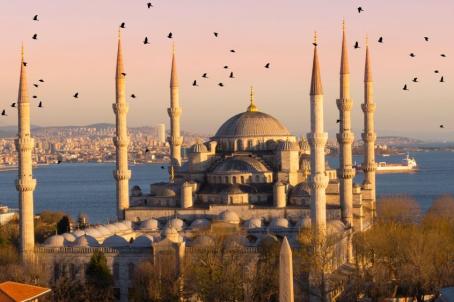
new
For a long time, Europe was ruled by powerful monarchies. Monarchy and religion have been connected since time immemorial. Here are 7 sites across Europe where royalty historically bent the knee to a higher power and received their crown.
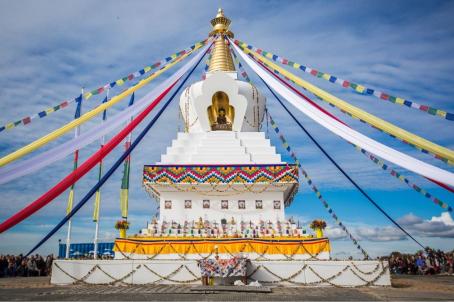
Stupas are symbols of enlightenment and peace that commemorate different stages of Buddha's life. Since the mid-20th century, thousands of stupas have begun to populate Europe. We have compiled some of the most impressive ones in this list.
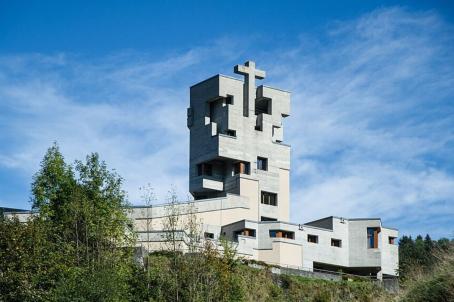
Walter Maria Förderer (1928–2006) was a Swiss architect and sculptor renowned for his neo-expressionist church designs in the 1960s. In this list we have compiled 6 of his church designs that seamlessly integrate religious and secular elements.

How is Religiana helping to conserve and promote Religious Heritage in Europe and why should you get involved?
Find out about Religiana
Are you a tourism organisation or religious heritage sites manager? Discover the advantages of becoming a partner.
See current partners
We can keep you up to date with the latest news from Religiana and religious heritage conservation across Europe.
Sign up to the FRH newsletter